Why Trainer Materials Matter More Than Most Buyers Realise
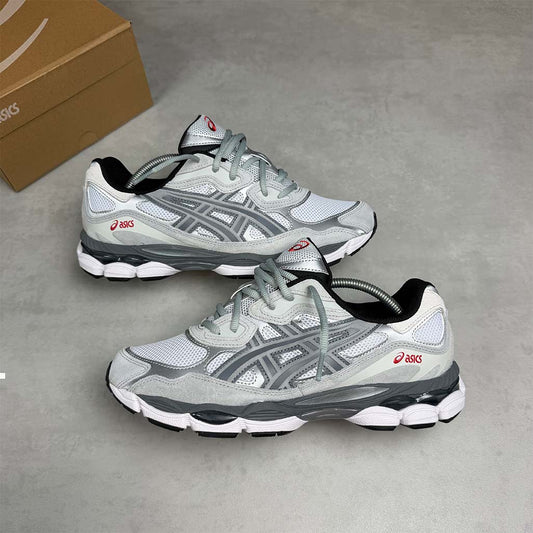
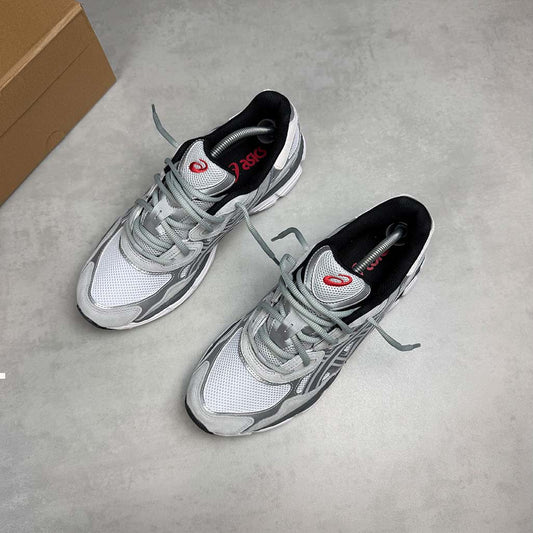
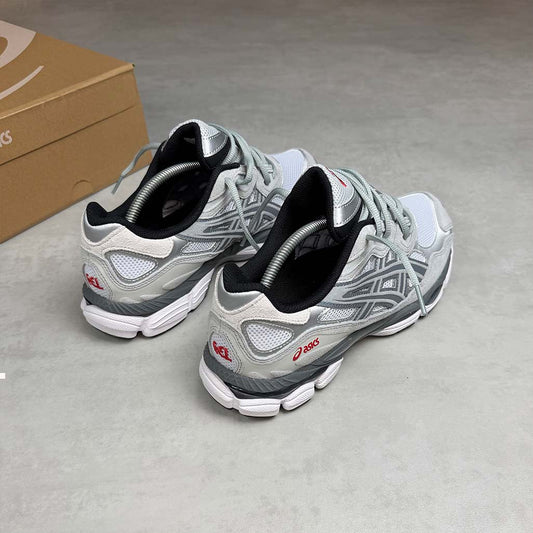
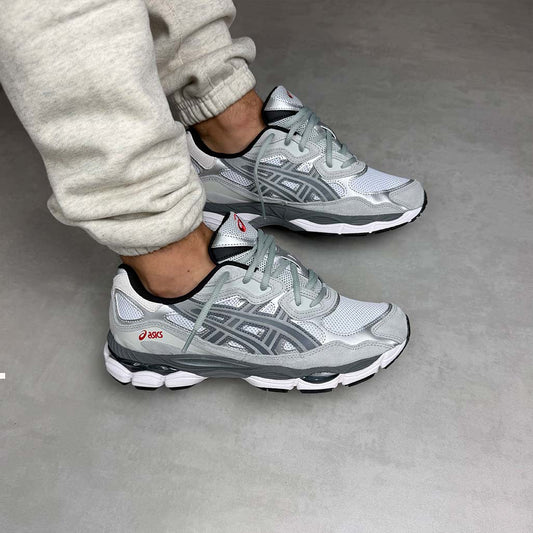
Two trainers can share the same silhouette, branding and colourway and still feel like completely different products. Change smooth leather for suede, introduce engineered mesh or add a technical textile, and the trainer can become lighter, softer, more breathable, more structured or more performance-focused.
Materials influence far more than appearance. They affect comfort, flexibility, breathability, durability, maintenance, ageing and the way a trainer develops through use. They can also influence how a particular release is perceived by collectors and buyers on the secondary market.
Yet materials are often overlooked when people choose trainers. Buyers may focus on the silhouette, collaboration, colourway or resale price without considering exactly what the upper is made from or why one version feels substantially different from another.
Understanding trainer materials gives you another way to evaluate footwear. Instead of asking only “Do I like this trainer?”, you can ask “Why does this trainer look, feel and behave the way it does?”
Why Do Trainer Materials Matter?
Materials influence almost every physical interaction you have with a trainer. They can determine how structured the upper feels, how easily it flexes, how well it allows air to circulate, how it responds to moisture, how easily it marks and what kind of maintenance it requires.
They are also part of the design itself. A material is not simply placed over a finished silhouette. Its thickness, texture, flexibility and structure can change the character of the entire trainer.
A classic silhouette in smooth leather can appear refined and structured. The same shape in suede may feel softer and more tactile, while an engineered mesh version can look lighter and more technical. The underlying geometry may remain similar, but the material changes how the product is experienced.
That is why material selection is part of a trainer's design language.
The Same Trainer Can Feel Completely Different in Another Material
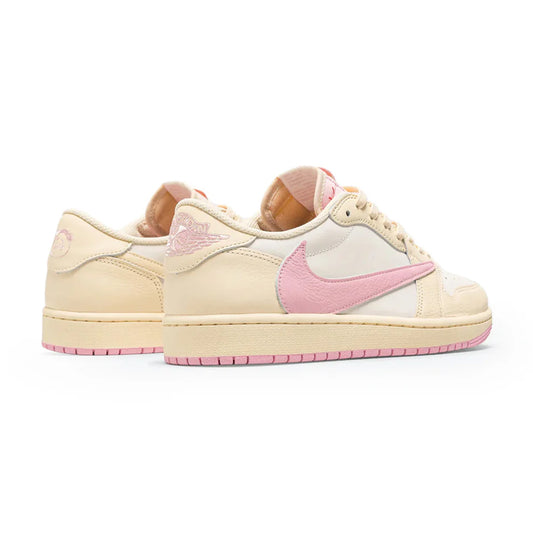
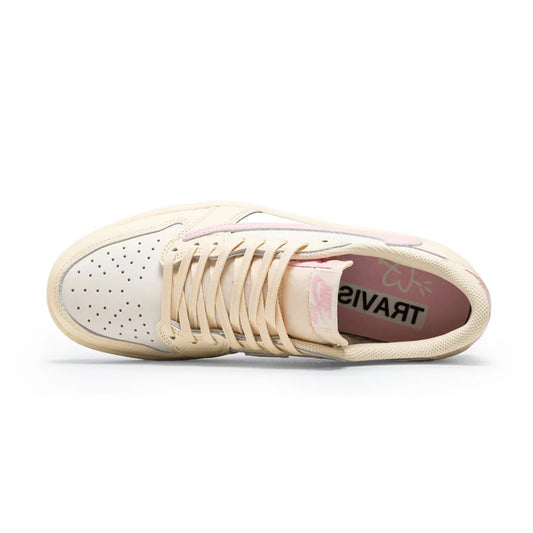
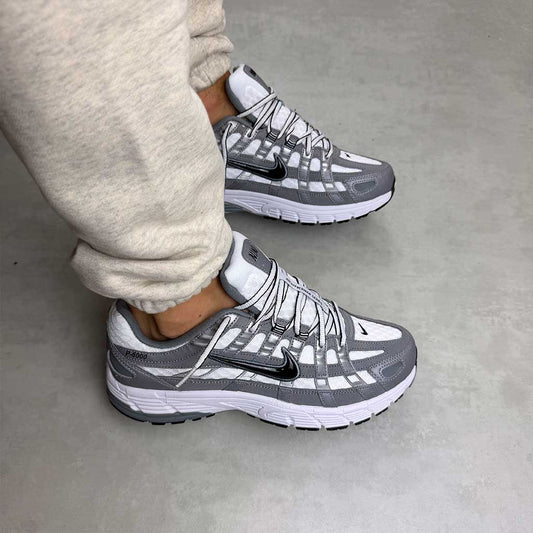
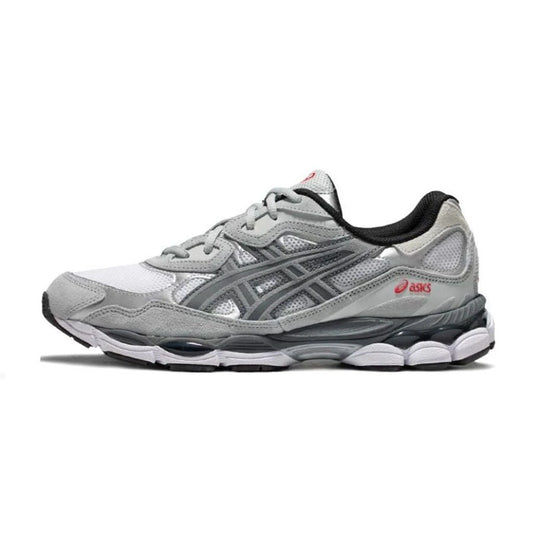
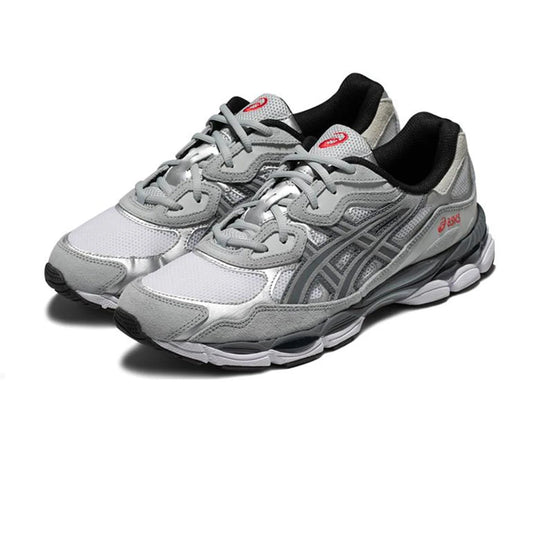
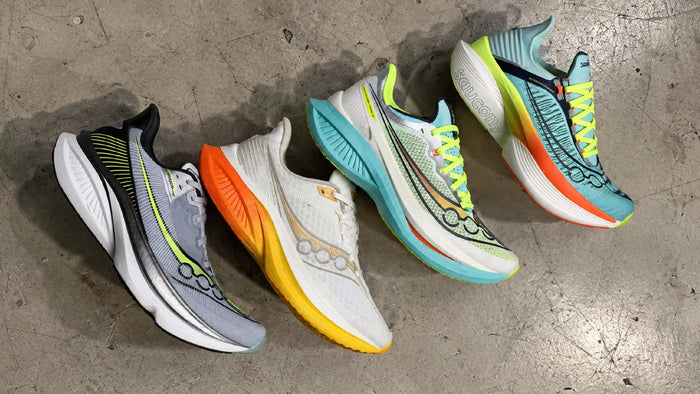
Consider the same trainer produced in four different constructions. Smooth leather may create a cleaner and more structured appearance, while suede introduces a softer surface with greater visual depth. Mesh can prioritise ventilation and low weight, while technical textiles may be engineered to provide flexibility, support or resistance.
None of these materials is automatically better than the others. They are simply solving different problems.
This is particularly important when comparing lifestyle trainers with performance-inspired footwear. A material that feels luxurious on a leather trainer may be completely inappropriate for a shoe designed around ventilation and weight reduction.
The useful question is therefore not “Which material is most expensive?” but “Why was this material chosen?”
Leather Is Not Simply Leather
Leather is one of the most common materials associated with premium trainers, but leather is not a quality grade. Two trainers can both be described as having a leather upper while providing noticeably different experiences.
Leather varies according to its source, selection, thickness, surface, treatment, pigmentation, coating, flexibility and finishing. Some leather is selected to develop character through wear, while other finishes are designed to maintain a more uniform appearance.
This means that asking whether a trainer is made from leather tells you relatively little on its own. A more useful question is what type of leather has been used, how it has been finished and whether it is appropriate for the construction.
Is Full-Grain Leather Always Better?
Full-grain leather is often presented as an automatic indicator of superior quality. That is too simplistic.
The term generally refers to leather where the natural grain surface has been retained rather than heavily corrected. It can provide attractive texture and ageing characteristics, but the label does not tell you everything about the finished trainer.
Selection, processing, thickness, consistency, finishing and construction all matter. A well-selected material that suits the design can produce a better trainer than a supposedly more luxurious material that has been poorly integrated.
Material terminology is useful evidence, but it should never become a complete quality score.
Suede and Nubuck: Why Do They Feel Different?
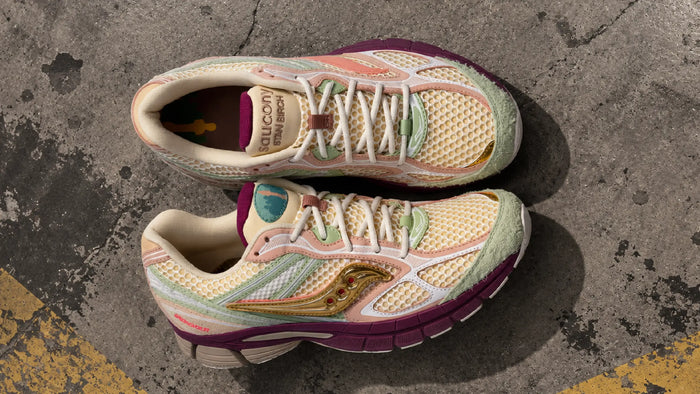
Suede and nubuck can both give trainers a softer, textured appearance, but they have different surface characteristics. Suede generally has a more visibly fibrous nap, while nubuck tends to have a finer, more velvety surface.
That texture changes the way light interacts with the trainer and can give the upper considerably more visual depth than smooth leather. Good suede can feel soft and rich, but its surface also makes it more sensitive to moisture, dirt and friction.
That does not make suede inferior. It simply means the material requires a different approach to ownership and maintenance.
For buyers, understanding the material before cleaning it is particularly important. A method suitable for smooth leather should not automatically be applied to suede or nubuck.
Why Mesh and Technical Textiles Matter
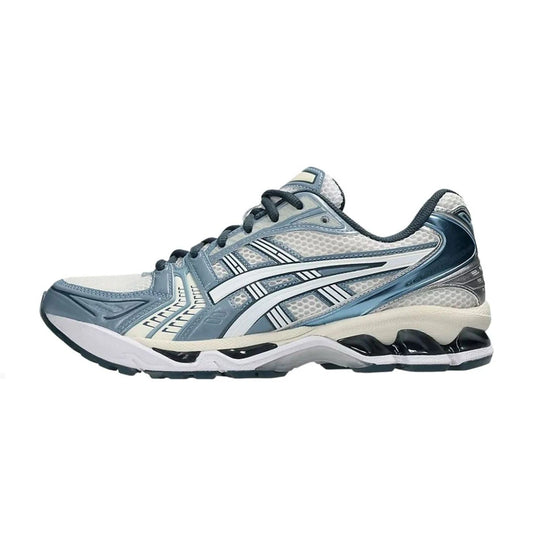
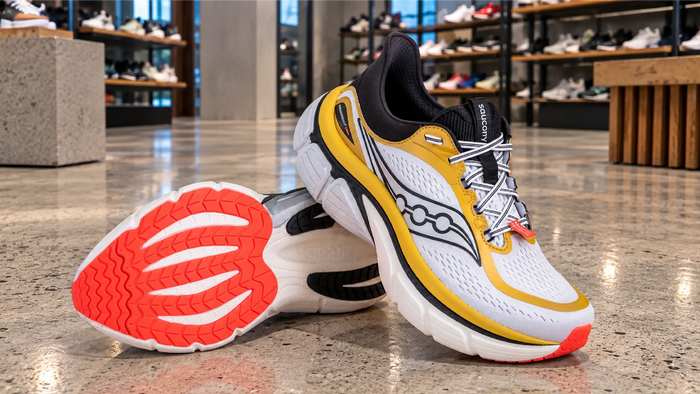
Mesh can appear less luxurious than leather, but that does not mean it is less sophisticated. In performance and technical trainers, mesh is often selected for breathability, flexibility and low weight.
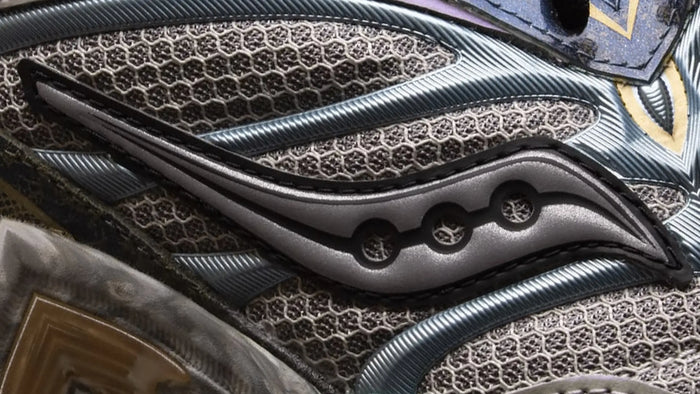
Modern engineered mesh can be considerably more complex than it first appears. Different areas of the same upper can be designed with different properties. One section may prioritise ventilation, another stability and another flexibility.
Knitted textiles take this principle further by integrating different structural characteristics into the textile itself. They can create lightweight uppers that adapt to foot movement while providing support in specific areas.
This is why traditional ideas about what a premium material should look like can be misleading. Sometimes the most sophisticated material is the one doing the most technically intelligent job rather than the one that looks most expensive.
Are Synthetic Materials Lower Quality?
No. Synthetic describes a category of materials, not a quality level.
Technical synthetics can be selected for low weight, consistency, flexibility, water resistance, abrasion resistance or structural stability. Some inexpensive synthetic materials exist, just as inexpensive versions of natural materials exist.
The important distinction is between material category and material quality.
Natural does not automatically mean premium, and synthetic does not automatically mean cheap. The relevant question is whether the material is appropriate to the trainer and whether it has been executed effectively.
How Do Materials Affect Comfort?
Comfort is influenced by much more than cushioning. The upper plays an important role through its flexibility, breathability, stretch, internal friction and interaction with the foot.
A rigid leather upper can provide structure but may initially feel less forgiving. A flexible textile can adapt more readily to movement. Mesh can improve ventilation, while different linings and tongue materials can alter the way the trainer feels during extended wear.
There is no universally comfortable material, however. Fit, construction, foot shape and intended use remain equally important.
The material is one part of a larger footwear system.
How Do Materials Affect Durability?
It is tempting to ask which trainer material lasts the longest, but durability is more complicated than choosing one material over another.
A material's thickness, processing, placement and construction all influence how it performs. The way it is attached to the shoe can be just as important as the material itself.
A lightweight textile can perform extremely well when properly reinforced. A premium leather can deteriorate when neglected. A durable upper can still fail if the surrounding construction is weak.
Durability is therefore a property of the whole trainer, not simply its upper.
How Do Trainer Materials Age?
Every trainer changes over time. Leather creases, suede changes texture, textiles can fade, rubber wears and foam can compress or deteriorate.
These changes are not automatically signs of poor quality. Some represent normal ageing and can even contribute to the character of a trainer.
Leather can develop patina. Suede can acquire a distinctive surface through wear. Other materials may simply lose their original appearance without developing anything desirable in return.
The useful distinction is between ageing and failure.
Subtle creasing or tonal variation may be natural ageing. Deep cracking, tearing, separation or structural deterioration indicate something more serious.
For older or collectable trainers, understanding how a particular material ages can therefore be as important as understanding how it looked when new.
Can Trainer Materials Affect Collectability?
They can, particularly when a material is specific to an important release.
Collectors may pay attention to the exact leather, suede treatment, textile construction or material combination used on an original version of a trainer. Differences between an original release and a later retro can become significant when the materials or construction have changed.
In that situation, the material stops being simply functional. It becomes evidence of a particular version, manufacturing period or design decision.
This is one reason material knowledge can be valuable when assessing why some sneakers become collectibles.
What initially looks like a small difference can become historically meaningful as a release becomes older.
Can Materials Affect Resale Value?
Materials can also contribute indirectly to resale value. To understand the wider factors involved, see how the trainer resale market really works.
An unusual material combination may distinguish a collaboration. An original construction may become important to collectors. Certain materials may also be difficult to preserve, making exceptionally well-maintained examples more desirable.
Condition is especially important here. A material that ages poorly can make good examples increasingly difficult to find, while a durable material may allow more pairs to survive in desirable condition.
But material rarity alone does not create market value. Demand, cultural relevance, scarcity, condition and historical importance still determine whether buyers are willing to pay more.
How Does Construction Affect Material Quality?
Even excellent materials can be undermined by poor construction.
Understanding how materials, construction and finishing work together is also central to what makes a premium trainer truly premium.
Leather needs to be cut, stitched and supported appropriately. Mesh needs reinforcement where stress occurs. Flexible materials need sufficient structure where the foot requires stability.
The upper also has to work with the lining, internal components, midsole and outsole.
This is why material quality should never be considered in isolation. Good material with poor construction does not automatically create a premium trainer. Conversely, an appropriate material combined with excellent construction can outperform a supposedly more luxurious alternative.
The material matters, but what the manufacturer does with it matters just as much.
Why Different Materials Need Different Care
Every material creates different maintenance requirements.
Smooth leather, suede, nubuck, mesh and technical synthetics can react differently to moisture, friction, cleaning products and drying conditions. A product that works well on one surface may alter another.
Before cleaning a trainer, identify what materials are actually present. Many modern trainers combine several materials in one upper, meaning that a single cleaning method may not be appropriate for the entire shoe.
For premium or collectable footwear, the objective should not simply be to make the trainer look clean. It should be to clean it without unnecessarily changing or damaging the materials.
How Can You Evaluate Trainer Materials When Buying Online?
Buying online makes material evaluation more difficult because you cannot touch the trainer or judge its texture directly.
Detailed photography can still provide useful information when you buy sneakers online. Look for close-up images, multiple angles and descriptions that identify the actual materials rather than relying exclusively on words such as premium, luxury or high quality.
Specific information is much more valuable. A description identifying suede, nubuck, engineered mesh or a particular construction tells you considerably more than simply calling the trainer premium.
For higher-value purchases, reliable product information and trusted sourcing also matter because material quality is only relevant if you know how to identify authentic sneakers and the product is accurately represented.
Five Questions to Ask Before Buying a Trainer
When materials are an important part of your decision, ask what the trainer is actually made from rather than accepting a general description.
Then consider why those materials make sense for the design. Are they providing structure, comfort, breathability, durability, texture or technical performance?
Think about how they are likely to age and what maintenance they will require. A beautiful suede trainer may be an excellent choice for one buyer and an impractical one for another.
Finally, ask whether you are paying for material quality or material perception. An expensive-looking material is not necessarily technically superior, while a relatively simple-looking textile can contain considerable engineering.
Expensive Material Does Not Automatically Mean a Better Trainer
This is ultimately the most important lesson.
A trainer is a system in which materials interact with design, construction, fit, comfort, craftsmanship and intended use. There is no universal hierarchy in which leather automatically ranks above suede, suede above mesh or natural materials above synthetics.
The best material is the one that serves the product effectively and is executed well.
Once you understand that, trainers become easier to evaluate. You begin to notice why one leather creases differently from another, why certain suede looks richer, why engineered mesh can feel more structured than expected and why two versions of the same silhouette can behave like completely different products.
Materials are not simply what covers a trainer.
They are part of what makes the trainer what it is.
How to Choose the Right Trainer Material for Quality, Comfort and Durability
Choosing the right trainer material depends on more than appearance. The following questions address some of the most important considerations when comparing leather, suede, mesh and synthetic materials, including quality, comfort, maintenance, durability and long-term value.
What is the best material for trainers?
There is no single material that is best for every trainer. The right choice depends on what the trainer is designed to do and what qualities matter most to the wearer. Leather can provide structure, durability and a refined appearance, while suede offers a softer, more tactile surface. Mesh and engineered textiles can be better suited to lightweight, breathable and technical footwear, while synthetic materials can provide consistency, flexibility, water resistance or abrasion resistance.
Material quality should therefore be judged in context. A technically advanced mesh upper may be a better choice for a lightweight performance-inspired trainer than a heavy leather construction. Likewise, a well-selected leather may be more appropriate for a structured luxury or heritage trainer. The most useful question is not which material is inherently superior, but whether the material is appropriate for the design and has been properly constructed and finished.
Is leather better than suede, mesh or synthetic materials?
Not necessarily. Leather, suede, mesh and synthetic materials have different characteristics, so comparing them using a simple hierarchy of quality can be misleading.
Leather can offer structure and develop character through wear, while suede provides a distinctive textured surface but generally requires more careful maintenance. Mesh and engineered textiles are often chosen for breathability, flexibility and low weight. Technical synthetics can provide properties such as consistency, water resistance and abrasion resistance that may be difficult to achieve with traditional materials.
The quality of a trainer depends on the material itself, how it has been processed and how it works with the rest of the shoe. A high-quality technical textile can therefore be more appropriate — and ultimately better executed — than an expensive leather used for the wrong purpose.
How can you tell if trainer materials are high quality?
Start by looking beyond the material name. The word leather, for example, does not tell you everything about its quality. Examine the texture, consistency, thickness and finishing, then look at how the material has been incorporated into the trainer.
Construction is equally important. Check whether panels align properly, stitching appears controlled, material transitions are clean and the upper connects convincingly with the sole. Examine the inside of the trainer as well, including the lining, tongue and footbed.
When buying online, look for specific material descriptions and detailed photography rather than relying on terms such as premium or luxury. A high-quality trainer should provide evidence through its materials, construction and finishing rather than depending entirely on branding or price.
Which trainer materials are easiest to maintain?
Smooth leather is generally more straightforward to maintain than textured materials such as suede or nubuck, although the exact care requirements depend on the finish and construction. Mesh and textile uppers can also require careful cleaning because dirt may become embedded in the fibres.
Suede and nubuck require particular attention because their textured surfaces can react differently to moisture, friction and cleaning products. Technical synthetics vary considerably, so their care should also depend on the specific material.
The important principle is to identify the materials before cleaning the trainer. Many modern trainers combine several materials, so one product or cleaning method may not be appropriate for every part of the upper. For premium or collectable footwear, preserving the original characteristics of the materials is often more important than simply making the trainer look clean.
Do trainer materials affect durability and resale value?
They can, but neither durability nor resale value is determined by material alone. Durability depends on the material's properties, thickness, processing, placement, construction, frequency of use and maintenance. A premium leather can deteriorate if it is neglected, while a lightweight technical material can perform extremely well when correctly engineered and reinforced.
Materials can also contribute indirectly to resale value. A distinctive material combination may make a release more recognisable, while an original material or construction can become historically significant to collectors. Materials that are difficult to preserve may also make exceptionally well-maintained examples more desirable over time.
However, resale value ultimately depends on broader factors such as demand, scarcity, cultural relevance, condition and historical importance. A premium material can contribute to a trainer's appeal, but it does not guarantee either long-term durability or financial value.