Saucony Daikanyama: Inside the New Tokyo-Inspired Collection
Saucony has released Daikanyama, a four-trainer capsule inspired by one of Tokyo's most design-conscious neighbourhoods. Released on 18 September, the collection brings together the Kinvara 1, ProGrid Omni 9, ProGrid Guide 7 and Endorphin Speed 5, giving four very different Saucony silhouettes a shared visual direction.
Rather than using obvious Japanese graphics or familiar Tokyo references, the collection takes its cues from the physical character of Daikanyama: concrete, weathered steel, ivy, muted colours and contemporary architecture. Those references are translated through restrained colour palettes, technical materials and deliberately aged-looking finishes across the four trainers.
The result connects several sides of Saucony at once. The Kinvara 1 represents the brand's earlier performance running identity, the ProGrid Omni 9 and ProGrid Guide 7 bring its retro-tech archive into a contemporary setting, while the Endorphin Speed 5 represents its current performance footwear.
The arrival of the Endorphin Speed 6 shows how that current performance line continues to evolve beyond the Daikanyama capsule.
Together, the four models show how Saucony is using its running heritage within a broader contemporary design and lifestyle context.
Daikanyama Translates Tokyo Through Architecture and Material
The collection takes its name from Daikanyama, a neighbourhood in Tokyo known for its architecture, independent culture, fashion and carefully considered urban spaces. Rather than treating the location as a conventional city-themed colourway, Saucony focuses on the physical qualities associated with the area.
The design references include brutalist-influenced architecture, weathered steel, concrete and ivy, creating a contrast between industrial surfaces and greenery. These ideas appear through muted colours, faded-looking finishes, mesh, layered panels and different material textures.
That approach gives the collection a more restrained connection to Tokyo. The location is represented through atmosphere and material rather than obvious graphics or symbols. The neighbourhood effectively becomes the palette for the capsule.
The Collection Brings Four Saucony Generations Together
The most significant part of Daikanyama is not simply its Tokyo inspiration but the choice of four different silhouettes.
Saucony has taken the Kinvara 1, ProGrid Omni 9, ProGrid Guide 7 and Endorphin Speed 5 and placed them within the same design concept. Each model comes from a different part of the brand's performance history, giving the collection a visual connection between older running designs, retro-tech footwear and current performance technology.
The four models can therefore be read as different expressions of the same Saucony identity.
Looking across these Saucony trainer models also makes the differences in their original roles and construction easier to understand.
The Kinvara 1 brings a lower-profile retro running shape, the ProGrid Omni 9 and ProGrid Guide 7 represent the brand's technical archive, and the Endorphin Speed 5 introduces a current performance platform.
The Kinvara 1 Brings a Lower-Profile Running Shape
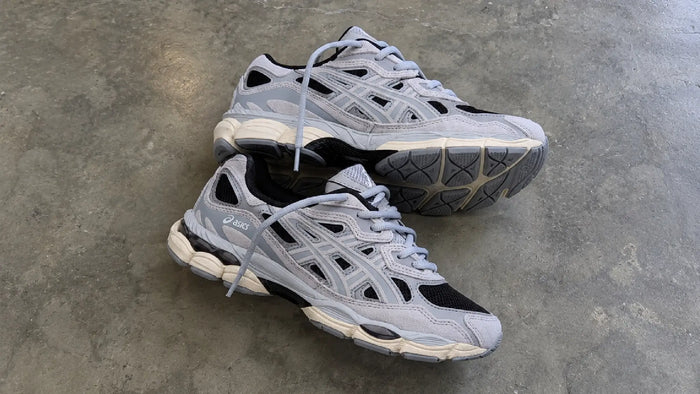
The Kinvara 1 provides the most understated silhouette in the collection. Its original running proportions are noticeably slimmer than the more substantial ProGrid models, giving Daikanyama another interpretation of retro-running design.
For the capsule, the Kinvara 1 arrives in Purple/Black-Grey, using a faded colour treatment and open mesh to reinforce the collection's aged and restrained character.
Its inclusion also demonstrates that Saucony's archive is not limited to the chunky technical runners that currently dominate the retro-running conversation. The brand's earlier performance footwear includes different proportions and construction styles, and the Kinvara 1 brings that lower-profile side of the archive into the collection.
The ProGrid Omni 9 Connects Retro-Tech With Daikanyama
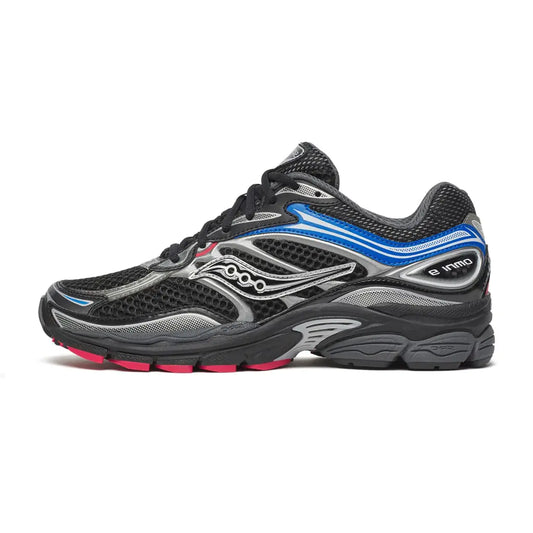
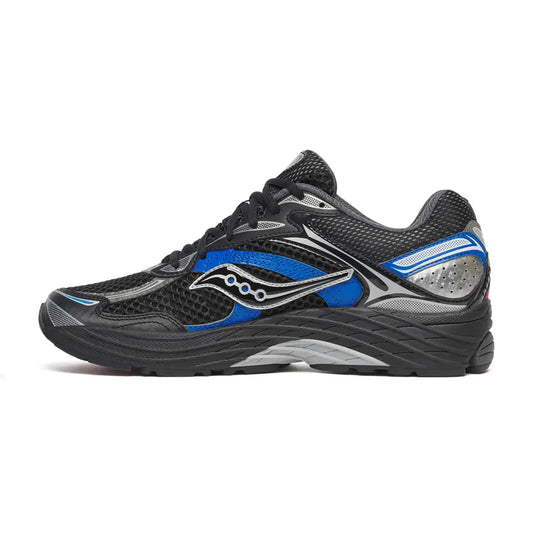
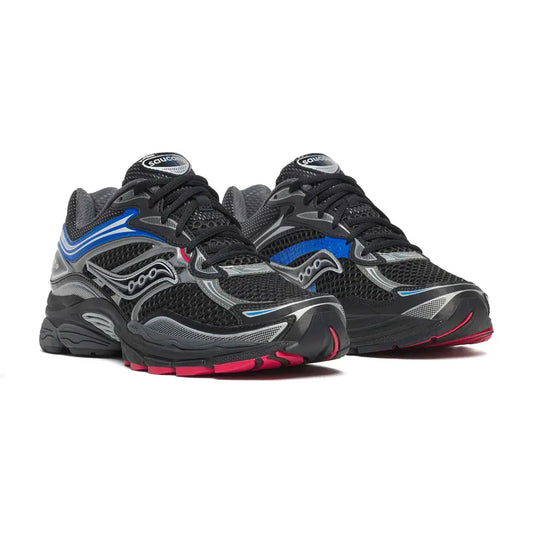
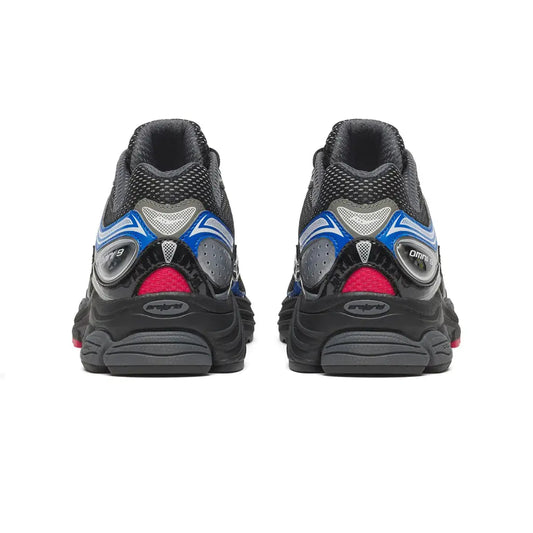
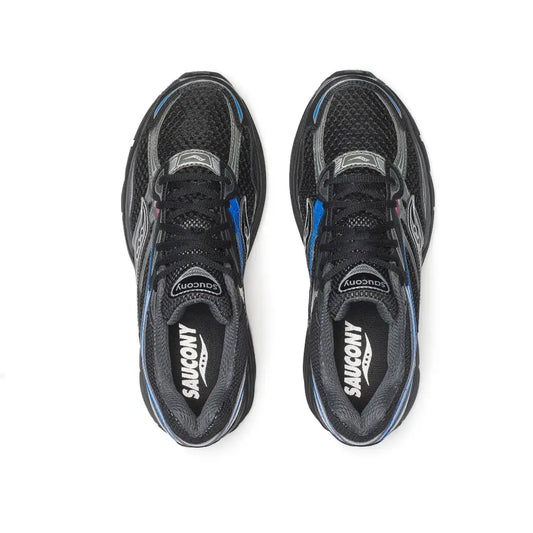
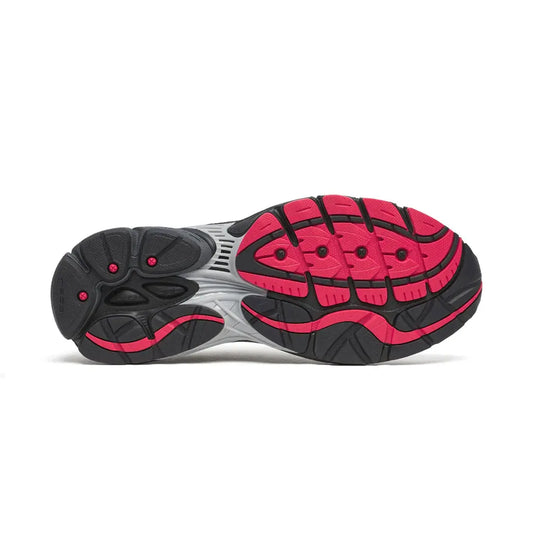
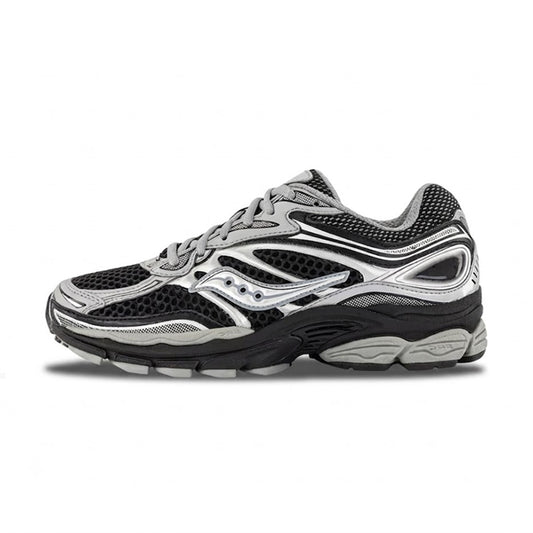
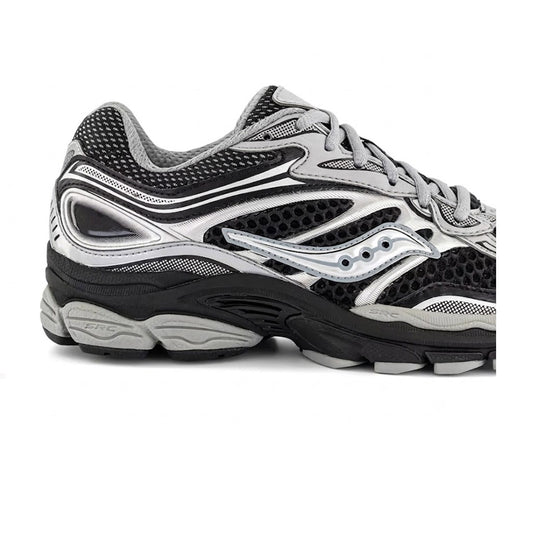
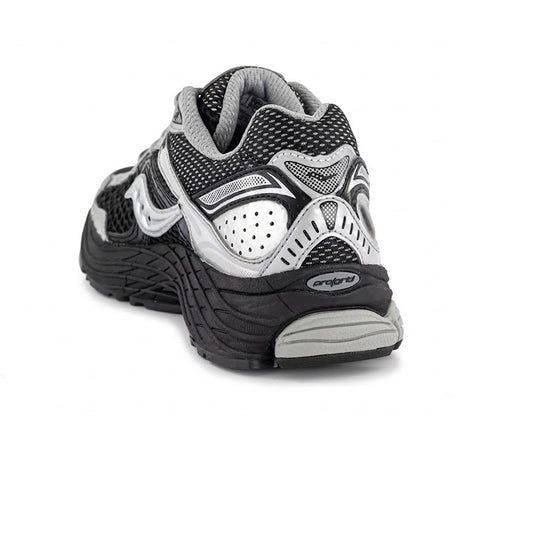
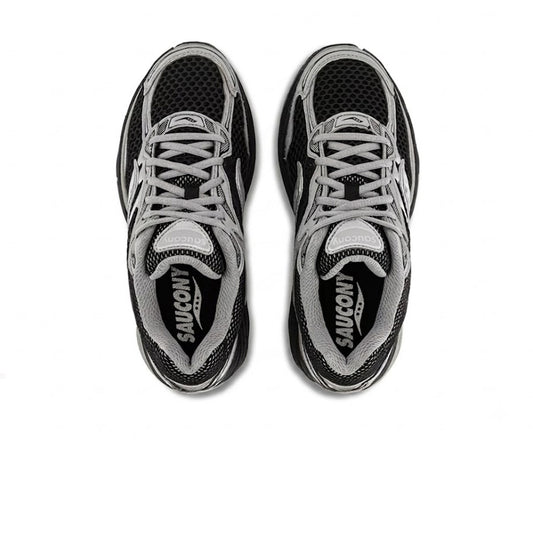
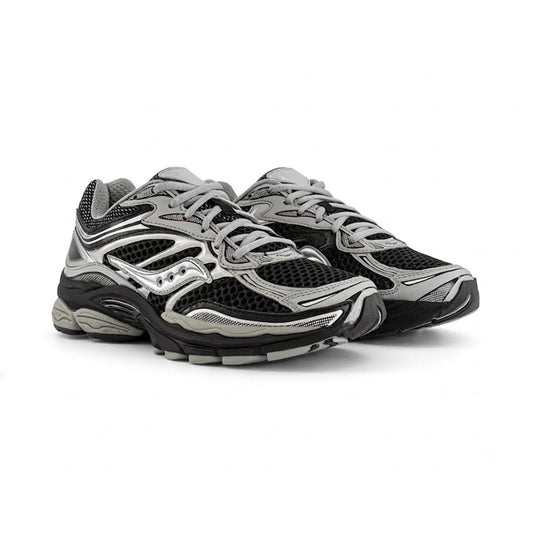
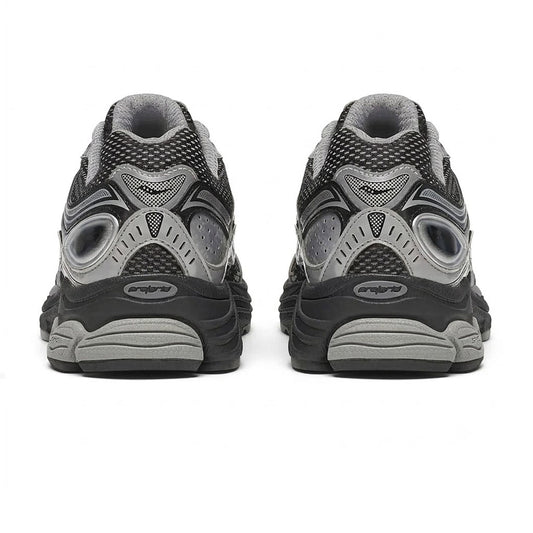
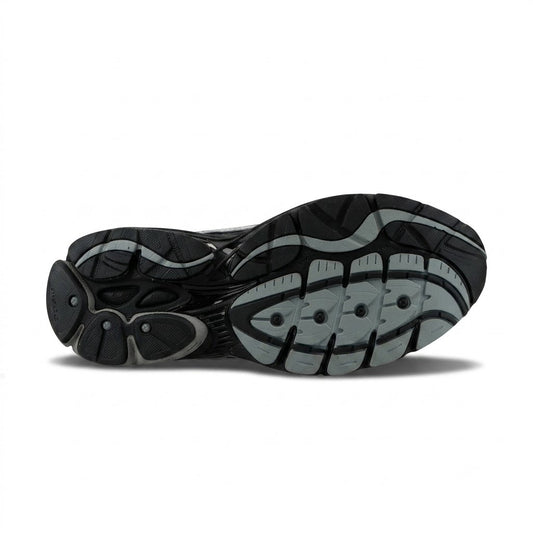
The ProGrid Omni 9 is perhaps the most direct expression of the collection's retro-tech aesthetic. Its construction already reflects the visual language of early-2000s technical running, with open mesh, layered overlays, complex panelling and a substantial sole.
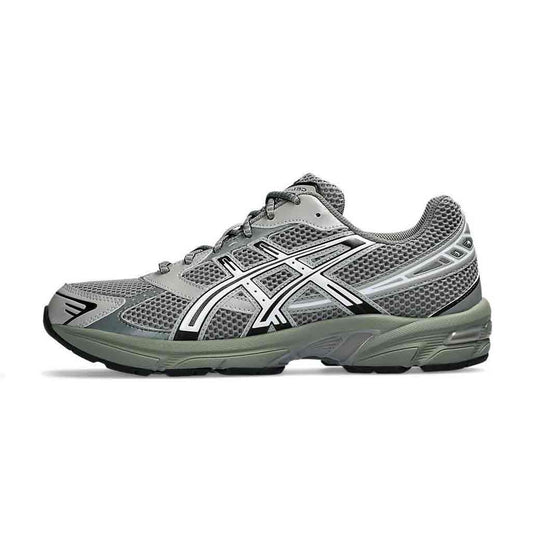
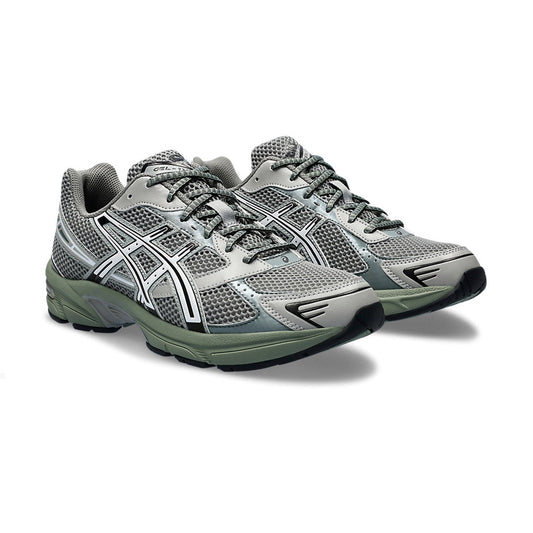
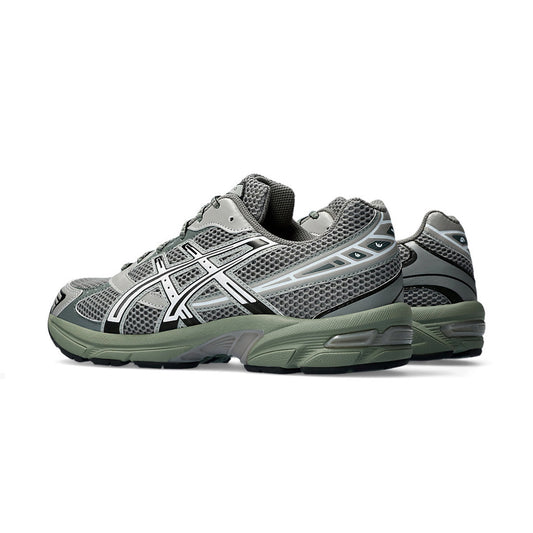
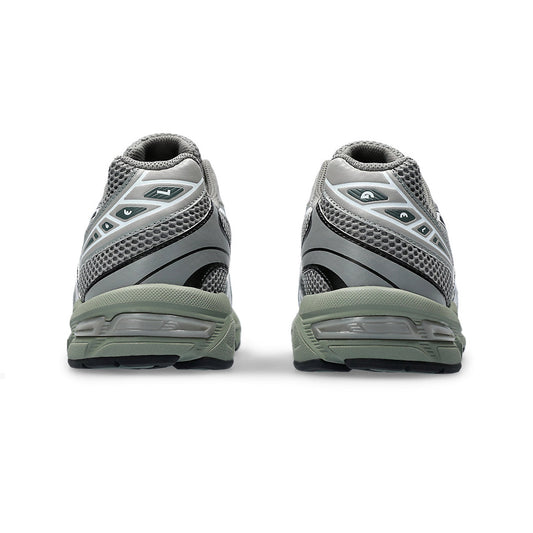
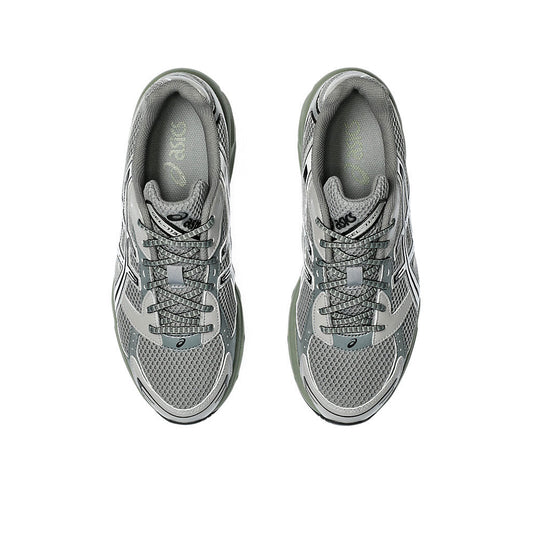
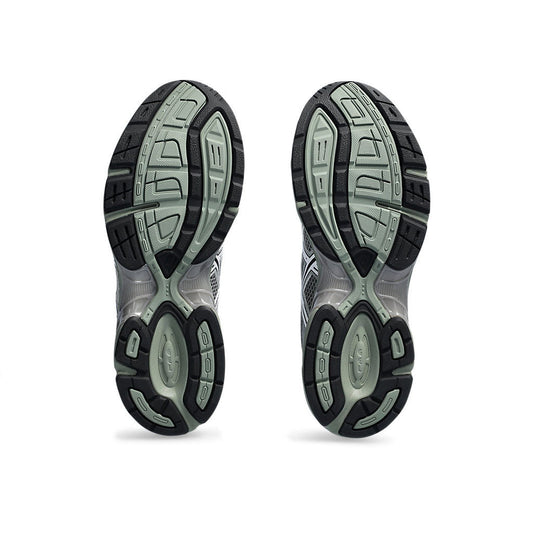
Daikanyama does not need to change that basic architecture. Instead, the collection places the Omni 9 within a more restrained colour palette. The Silver/Teal treatment gives the shoe an architectural appearance while allowing its construction to remain the main visual feature.
That makes the Omni 9 an important part of the capsule because it connects two developments within contemporary trainer culture: the renewed interest in technical Y2K silhouettes and a move towards more considered, muted colour combinations.
Rather than making the trainer louder, Daikanyama allows the existing structure of the Omni 9 to carry more of the design.
The ProGrid Guide 7 Takes the Technical Archive in a Quieter Direction
The ProGrid Guide 7 follows the same retro-tech direction but with a more restrained visual treatment. Its Owl/Aureate colourway allows the mesh, overlays and sole construction to remain visible without relying on strong contrast.
This is an important distinction within the capsule. Technical running footwear does not necessarily need metallic silver, bright colours or highly contrasting panels to communicate its character. The structure of the shoe can provide much of the visual interest on its own.
The Guide 7 therefore represents another side of the ProGrid revival. Its technical appearance remains prominent, but the subdued palette makes the silhouette easier to integrate into contemporary wardrobes.
The Endorphin Speed 5 Brings Current Performance Into the Capsule
The most unexpected model in the collection is the Endorphin Speed 5.
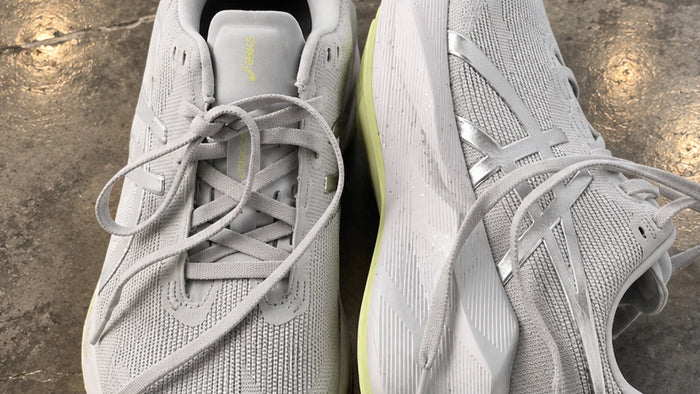
Unlike the Kinvara 1, ProGrid Omni 9 and ProGrid Guide 7, the Speed 5 is not being presented primarily through its archive status. It remains part of Saucony's contemporary performance range, with a construction designed around speed-focused running.
Its inclusion changes the scope of Daikanyama. Without the Speed 5, the collection could be interpreted mainly as a reinterpretation of older running silhouettes for contemporary lifestyle use. By including a current performance trainer, Saucony places its present-day running technology within the same visual conversation.
The Owl/Black treatment gives the Speed 5 the same restrained character as the other models while allowing its modern performance identity to remain intact.
The Four Colourways Create a Consistent Visual Language
The four trainers do not use identical colours, but they share the same overall direction.
The Kinvara 1 appears in Purple/Black-Grey, the ProGrid Omni 9 in Silver/Teal, the ProGrid Guide 7 in Owl/Aureate and the Endorphin Speed 5 in Owl/Black.
The connection comes from the treatment rather than a single repeated colour. Muted tones, weathered-looking surfaces, technical materials and restrained accents give the four models a common identity while allowing each silhouette to remain recognisable.
This is particularly important for a capsule built around four different trainer families. Repeating exactly the same palette could make the models feel like variations of one product. Daikanyama instead keeps their individual identities while establishing a shared visual environment.
Muted Colours Put the Construction of the Trainers First
The subdued palette also changes how the technical details of the shoes are perceived.
Mesh, overlays, panels and complex sole units already create significant visual information on retro-running trainers. Strong colour contrasts can make those details compete with one another, while muted tones allow the construction itself to become more prominent.
That effect is especially visible on the ProGrid models. Their layered uppers and substantial soles provide much of the visual character, while the restrained Daikanyama colourways prevent the shoes from becoming overly busy.
The same principle works across the collection. The trainers retain their technical appearance, but the design does not depend on bright colours or obvious graphics to attract attention.
Daikanyama Connects Architecture With Running Design
Architecture is central to the collection because many of the visual qualities associated with Daikanyama already have parallels within technical footwear.
Concrete and weathered steel provide references for texture and material. Architectural structures suggest layering, proportion and geometry. Ivy introduces an organic contrast against more industrial surfaces.
Those ideas can be translated naturally into a trainer. Mesh provides texture, overlays create structure, different materials establish contrast and the sole introduces another layer of geometry beneath the upper.
The result is not an architectural graphic applied to an existing shoe. The collection instead uses architectural references to establish a visual language across the four models.
Tokyo Provides a More Specific Setting for Saucony's Archive
Tokyo has long been connected with trainer culture, streetwear, vintage clothing and fashion. For a brand exploring its own running archive, it provides an established cultural context for bringing older silhouettes back into contemporary wardrobes.
That context also helps explain how Saucony's history continues to influence the brand's contemporary collections.
Choosing Daikanyama makes that reference more specific.
Instead of presenting the collection simply as another Tokyo-inspired release, Saucony focuses on a neighbourhood associated with considered architecture, independent culture and understated design. That gives the trainers a particular mood rather than relying on a generic interpretation of Japan.
The distinction is important because the collection is less about representing Tokyo literally and more about translating one part of the city into colour, texture and material.
ProGrid Becomes Part of Saucony's Contemporary Lifestyle Language
The presence of both the ProGrid Omni 9 and ProGrid Guide 7 also reinforces the growing role of ProGrid within Saucony's current lifestyle offering.
The ProGrid archive contains many of the characteristics associated with today's retro-tech movement: open mesh, layered construction, substantial soles, technical detailing and running-derived proportions.
Those characteristics were originally connected to performance footwear, but they now have relevance outside running. Daikanyama shows how Saucony can use those existing designs without needing to recreate the visual language of Y2K footwear from scratch.
The archive already contains the shapes and construction. The new collection changes their context.
The Collection Brings Performance and Lifestyle Closer Together
The inclusion of the Endorphin Speed 5 makes that relationship particularly clear.
Traditional trainer culture often follows a familiar pattern: a performance shoe becomes outdated, its original technology loses relevance and the silhouette is later rediscovered as lifestyle footwear. Daikanyama presents a different model because the current performance product is being placed alongside archive silhouettes at the same time.
The Speed 5 does not need to become an archive trainer before it can participate in a contemporary fashion-oriented collection.
That creates a more direct relationship between performance, heritage and lifestyle. Saucony can use its archive for cultural relevance while continuing to develop new performance footwear at the same time.
Daikanyama Gives Saucony's Running Heritage a Contemporary Context
This is ultimately what connects the four models.
The Kinvara 1 represents an earlier stage of Saucony's performance running history. The ProGrid Omni 9 and Guide 7 bring technical archive design into the present. The Endorphin Speed 5 represents the company's current performance direction.
Daikanyama gives all four a common setting.
That does not turn the models into the same type of trainer. Their proportions, technologies and original purposes remain different. Instead, the collection shows how those different stages of Saucony can coexist within one contemporary design story.
The Daikanyama Collection Extends Saucony Beyond Retro Reissues
Saucony's current relevance is not based solely on bringing older trainers back. The Daikanyama collection demonstrates another approach: taking existing performance history and placing it inside a new cultural context.
The architecture and material references provide the starting point. The muted colour palette establishes the visual connection. The four silhouettes then show different moments in Saucony's evolution.
That makes the collection more than a group of Tokyo-themed colourways.
It connects running heritage, technical archive design, contemporary performance and lifestyle footwear within the same release.
Saucony Daikanyama Brings Four Sides of the Brand Together
The significance of Daikanyama lies in the relationship between its four trainers.
The Kinvara 1 brings a lower-profile expression of retro running. The ProGrid Omni 9 and ProGrid Guide 7 show how Saucony's technical archive fits naturally into the current retro-tech movement. The Endorphin Speed 5 introduces the brand's contemporary performance identity.
Around them, the Daikanyama concept provides a common language built from concrete, weathered steel, ivy, muted colours, technical materials and architecture.
The collection therefore does not need obvious Tokyo graphics to communicate where its inspiration comes from.
The wider Saucony collection provides further context for how these archive and performance models sit within the brand's current range.
The location is translated through atmosphere and construction rather than decoration.
More importantly, Daikanyama shows how Saucony can use its history without treating that history as something fixed in the past. Its running archive can become lifestyle footwear, while its current performance technology can participate in the same cultural conversation.
Tokyo provides the setting. Daikanyama provides the visual language. The four trainers show how different generations of Saucony can exist within the same contemporary collection.