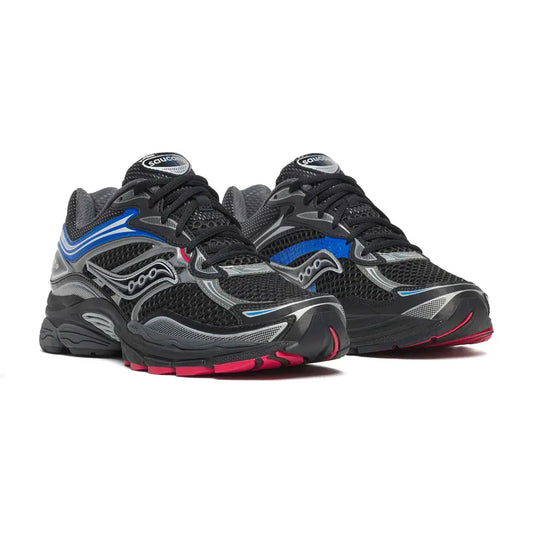
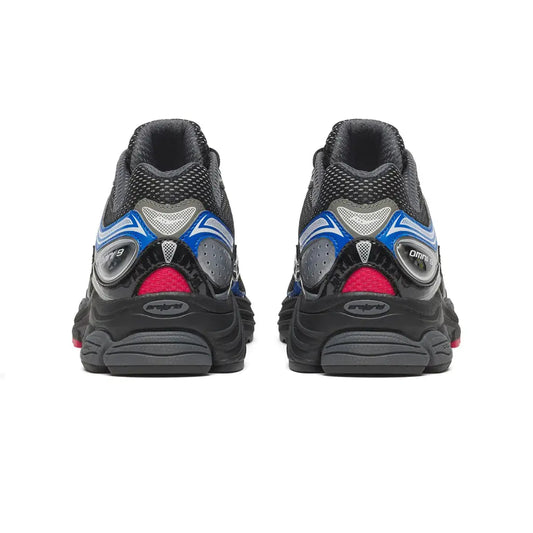
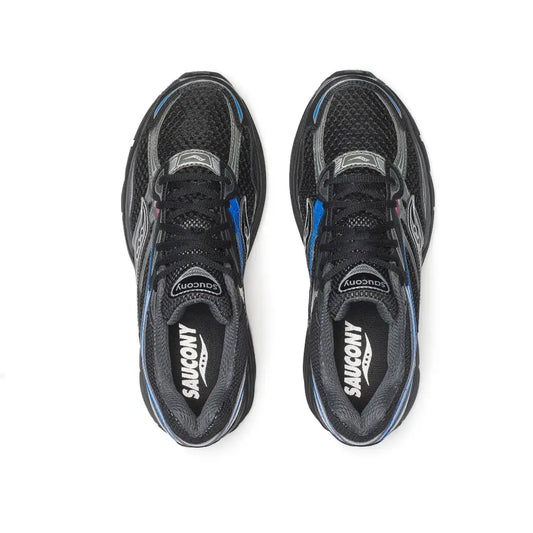
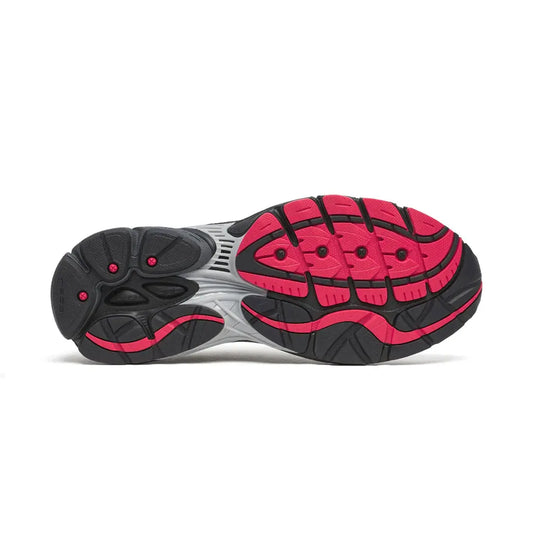
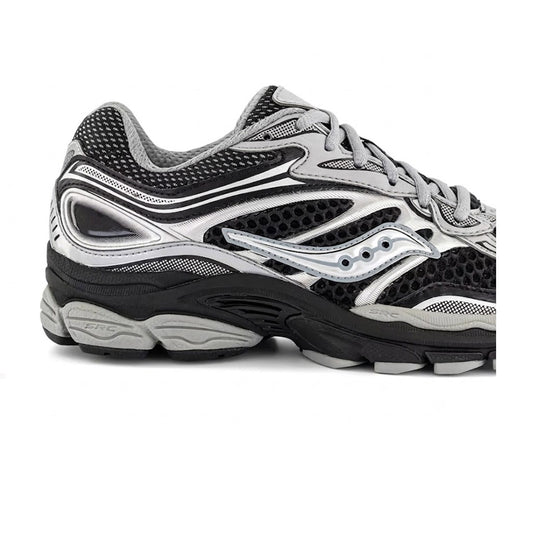
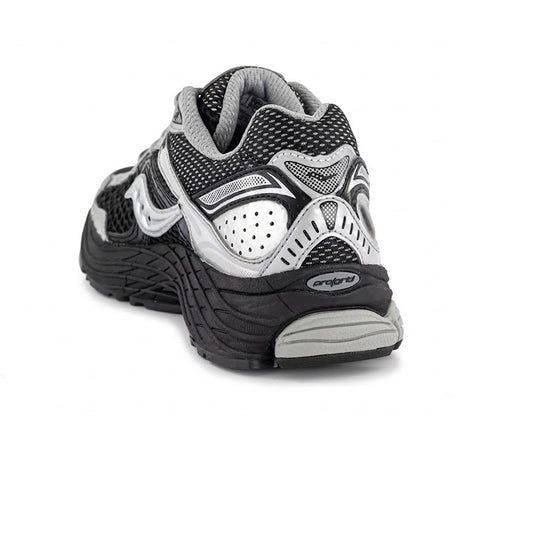
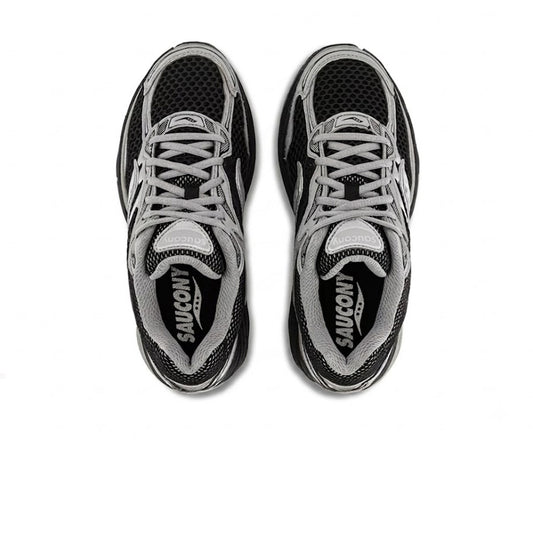
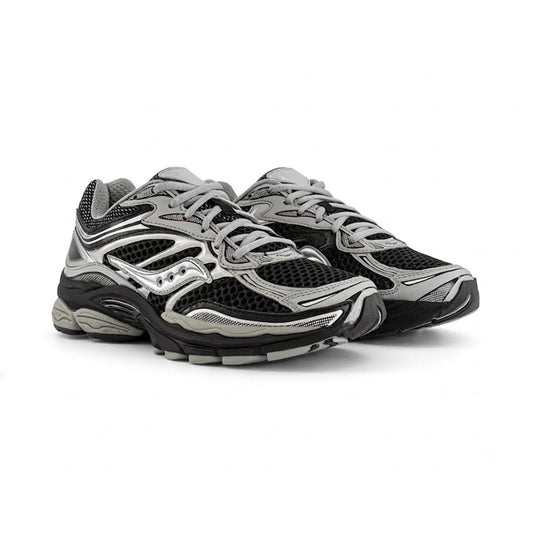
Saucony Endorphin Speed 6 Is Coming: What Changes in the New Generation?
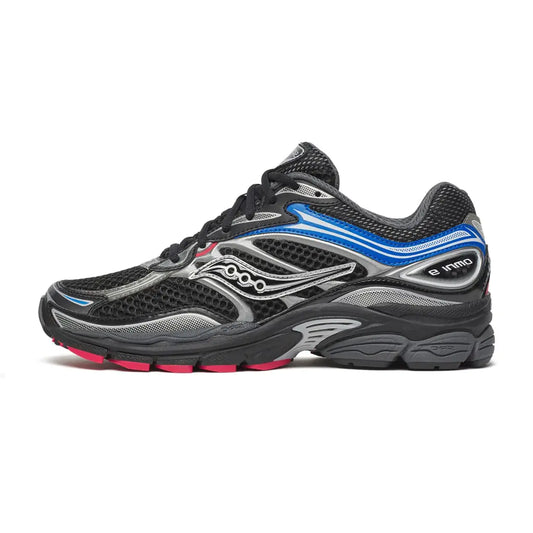
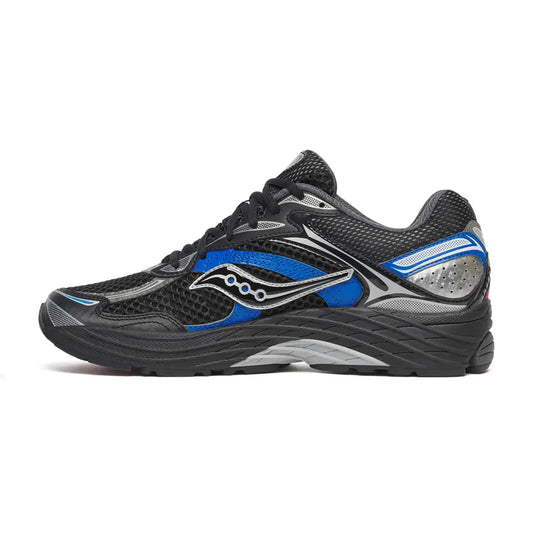
Saucony is preparing the sixth generation of one of its best-known performance trainers. The Endorphin Speed 6 is listed for availability from 15 October 2026, introducing a new PWRRUN PBX midsole, a higher stack and a redesigned nylon plate while retaining the speed-focused construction that has defined the Endorphin Speed line. Current retailer listings show both men's and women's versions scheduled for that date, although the date should be understood as a listed order date rather than universal UK availability.
The changes go beyond a new colourway. Saucony is updating the foam, increasing the amount of material underfoot and changing the design of the nylon plate. The new version is also reported to be lighter than the previous generation, despite the additional stack. Independent testing from RoadTrailRun puts the Speed 6 at 38mm in the heel and 30mm in the forefoot, compared with 36mm and 28mm on the Speed 5, while reporting a specified men's weight of 232g in a US men's 9.
At the same time, the Endorphin Speed 5 remains on the market, creating the familiar transition between generations. The Speed 6 represents the latest development of the platform, while remaining Speed 5 stock is beginning to occupy a different position as the outgoing model. For runners following the launch, the important story is therefore not simply that a new Endorphin Speed is arriving, but how much of the underlying platform has changed.
The Endorphin Speed 6 Arrives on 15 October 2026
Current listings place the Endorphin Speed 6's availability from 15 October 2026. Running Warehouse currently shows men's and women's versions in several colourways, including Black/White, Surf/Black, White/Citron and White/Naval for men, alongside Black/White, Hue/Celestial, White/Aureate, White/Multi and Yarrow/Silver for women.
The date is currently associated with Running Warehouse's US listings, which also specify that those products are for US sales. It therefore should not be presented as a confirmed universal UK release date unless Saucony or a UK retailer separately confirms the same schedule. What can be reported at this stage is that 15 October is the currently listed availability date for the new generation.
That timing places the Speed 6 directly into the normal product cycle for a performance trainer. The new model begins attracting attention while the previous generation remains available, giving runners two generations of the same platform to consider as the transition takes place.
PWRRUN PBX Introduces a New Midsole Platform
The biggest technical change in the Endorphin Speed 6 is the move to PWRRUN PBX. Running Warehouse describes the new foam as a PEBA superfoam intended to increase cushioning and efficiency while keeping weight down.
That changes an important part of the Endorphin Speed's construction. The Speed 5 uses PWRRUN PB, while the sixth generation moves to the newer PWRRUN PBX formulation. Saucony is therefore not simply updating the upper or changing the external geometry; the material responsible for much of the shoe's underfoot response has been changed.
The Endorphin Speed has traditionally occupied a position between conventional daily trainers and more specialised racing footwear, making it useful to understand how it fits within broader Saucony trainer models.
The Speed 5, for example, combines PWRRUN PB cushioning with a full-length nylon plate and SPEEDROLL geometry, and Saucony positions it for speed sessions, daily miles and race-day use.
The Speed 6 continues that basic role while introducing a different foam platform. The significance of PWRRUN PBX will therefore become clearer as more runners use the shoe, particularly across different paces and distances.
The Endorphin Speed 6 Gets More Stack
The sixth generation also gets 2mm more stack at both the heel and forefoot. RoadTrailRun reports a 38mm heel and 30mm forefoot, compared with the Speed 5's 36mm and 28mm configuration, while retaining the same 8mm drop.
The additional foam changes the amount of cushioning beneath the foot without altering the drop. It is one of the clearest physical differences between the two generations and forms part of the broader update to the platform.
RoadTrailRun's early testing describes the Speed 6 as more cushioned and responsive than the Speed 5, while retaining the aggressive forefoot rocker associated with the shoe's forward-moving geometry. Those observations come from independent testers rather than Saucony's own specifications, so they are useful as early evidence rather than a definitive assessment of how every runner will experience the shoe.
The Redesigned Nylon Plate Changes the Speed Platform
The Endorphin Speed 6 retains a nylon plate, but the plate itself has been redesigned. Running Warehouse describes it as a fluted, slotted nylon plate, while its product information notes that the new construction removes the lateral wing and retains a medial wing intended to provide stability and a more secure feeling through the midfoot.
This is significant because the nylon plate has long been one of the defining elements of the Endorphin Speed. The Speed 5 also uses a full-length semi-rigid nylon plate positioned between layers of responsive foam.
The sixth generation therefore keeps the same broad concept while changing how the plate interacts with the new midsole. Saucony is effectively updating the relationship between the foam, plate and geometry rather than abandoning the construction that has made the Speed different from a conventional unplated trainer.
The New Generation Is Reported to Be Lighter
Another change comes in the overall weight. RoadTrailRun lists a specified weight of approximately 232g for a US men's 9, while its testers found the new version lighter than the previous generation in their respective sizes.
That is notable because the Speed 6 simultaneously gains stack height. Saucony has added material underfoot while the reported specification moves in the opposite direction on weight.
Weight naturally varies according to shoe size, and measurements from different testers cannot be treated as universal. The more useful point is that the new construction has been developed around additional cushioning without simply adding weight to the shoe.
Early Testing Points to Changes in Ride and Versatility
The first independent testing provides some early evidence of how those technical changes translate into use. RoadTrailRun's testers report that the Speed 6 can handle a broad range of paces, including easier running as well as faster sessions, and they highlight improved outsole grip, particularly in wet conditions.
The same testing also identifies differences in fit.
For runners comparing different uses and levels of support, choosing the right Saucony trainers also depends on understanding how each model fits into the wider range.
One tester found the midfoot hold relatively loose, while another described the shoe as more cushioned and responsive than the Speed 5.
That difference makes Saucony sizing and individual foot shape particularly relevant when assessing the Speed 6's fit.
These are individual testing observations rather than universal characteristics, but they provide early context for the changes made to the new platform.
The important distinction for a launch story is that the Speed 6 has now moved beyond a specification sheet, but it is still early in its wider product cycle. More testing will be needed before conclusions can be drawn about long-term durability, fit across different foot shapes or how the shoe performs for different types of runners.
The Speed 6 Changes the Position of the Speed 5
The arrival of a new generation also changes the role of the Endorphin Speed 5. The previous model does not disappear when the Speed 6 arrives. Instead, the two generations begin to represent different stages of the same product line.
The Speed 5 uses PWRRUN PB, a redesigned nylon plate and a 36mm/28mm stack with an 8mm drop. Saucony describes it as a shoe designed for speed days and race days while also being capable of daily running.
The Speed 6 moves those specifications forward with PWRRUN PBX, the higher 38mm/30mm platform and the redesigned nylon plate.
That makes the transition between the two generations straightforward to understand. The Speed 6 introduces the latest version of the platform, while the Speed 5 remains the previous construction. As inventory moves through the market, the older model may increasingly be found at reduced prices, but availability and pricing will vary by retailer and colourway.
The Endorphin Speed 6 Continues the Middle Ground of the Endorphin Line
The Speed 6 remains part of a broader Endorphin family rather than functioning as a standalone performance model. Its role is defined by a combination of speed-oriented geometry, a nylon plate and enough cushioning and versatility to cover more than one type of running session.
That position separates it from a conventional daily trainer while also distinguishing it from the most specialised racing footwear.
This broader performance approach can also be seen in Saucony's latest performance technology, including the max-cushion Paramount Max.
The Endorphin Speed concept has historically been built around that middle ground: a plated performance trainer that can be used for faster training as well as other runs.
The sixth generation keeps that structure intact. The new foam, higher stack and revised plate change the platform, but the fundamental purpose of the model remains recognisable.
The Speed 6 Extends Saucony's Performance Development
The launch also adds another layer to the story of Saucony as a brand. The company is increasingly visible across two connected areas: its archive of classic running-inspired trainers and its current performance technology.
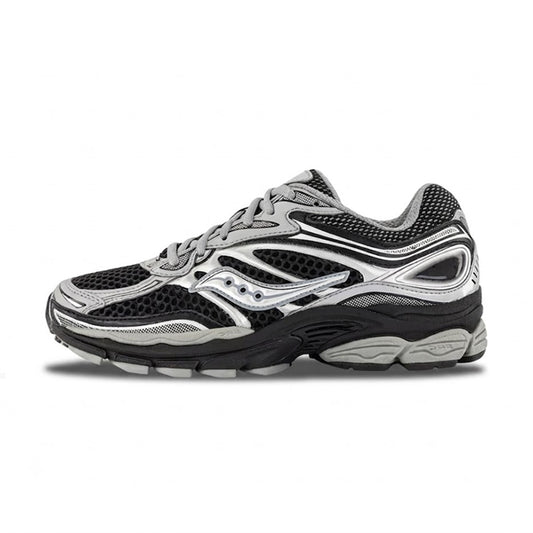
Models such as the Jazz, Shadow, Grid and ProGrid represent the part of Saucony's history that has become important to contemporary trainer culture. The Endorphin Speed 6 represents the other side of the company: current performance development and the technologies that are being introduced now.
That distinction matters because today's performance technology can eventually become tomorrow's archive. The Speed 6 is therefore not simply another addition to Saucony's running range. It is another stage in the development of a platform that may continue to evolve across future generations.
The Endorphin Speed 6 Moves Towards Its October Launch
With 15 October 2026 currently listed as the order date, attention will increasingly move from specifications to real-world testing as the Speed 6 reaches more runners.
The technical changes are already clear. The new generation introduces PWRRUN PBX, increases the stack from 36/28mm to 38/30mm, retains an 8mm drop, redesigns the nylon plate and is reported to reduce weight despite the additional underfoot material.
The Endorphin Speed 5, meanwhile, remains part of the market as the outgoing generation. That means the launch is creating two distinct stages of the same platform: the new Speed 6 with its revised architecture and the existing Speed 5 as the previous generation.
For now, the most important fact is that Saucony has made a substantial technical update rather than releasing a simple visual refresh. The foam, stack and plate have all changed, while the Endorphin Speed's role as a versatile, speed-focused performance trainer remains in place.
As the 15 October date approaches and wider testing becomes available, the next part of the story will be how those changes translate into long-term performance, fit and everyday training. For the moment, the sixth generation marks a clear new stage for one of Saucony's most recognisable performance franchises.