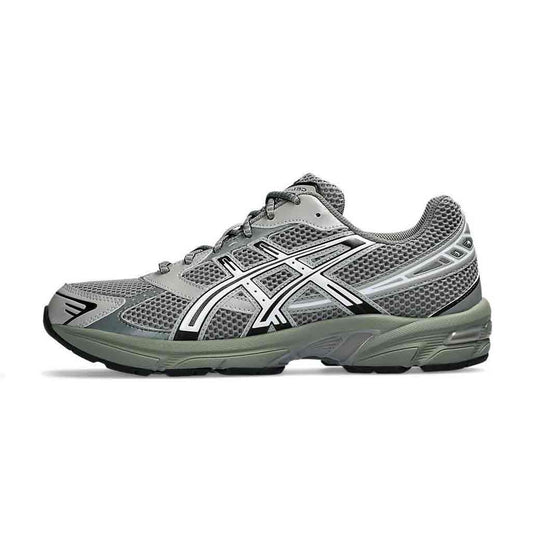
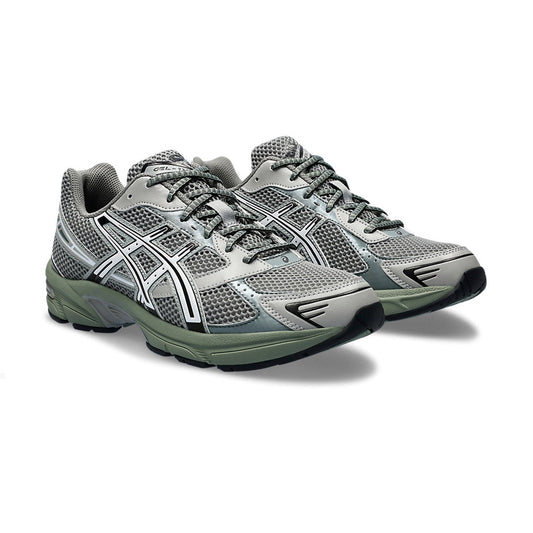
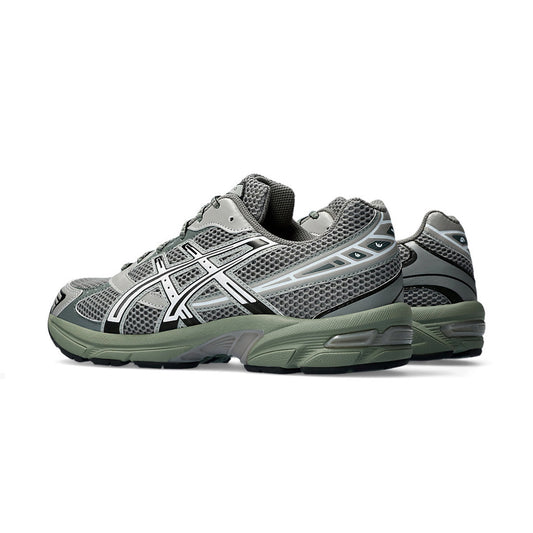
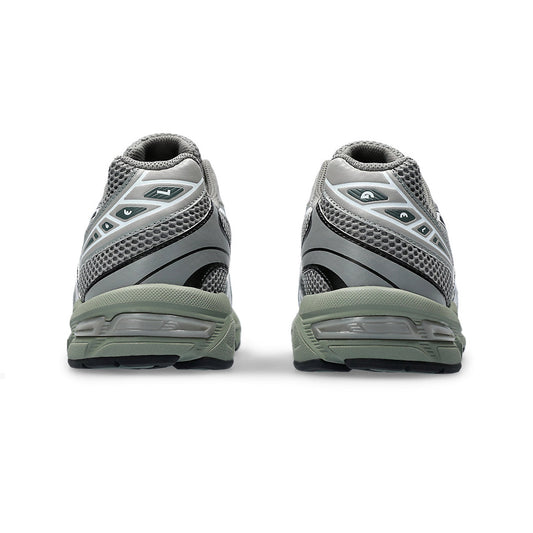
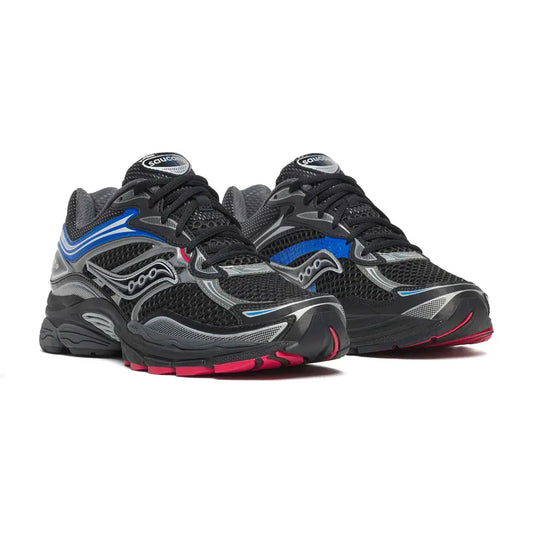
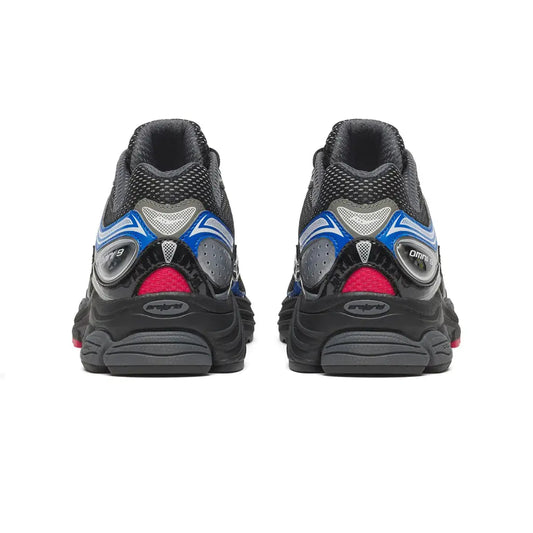
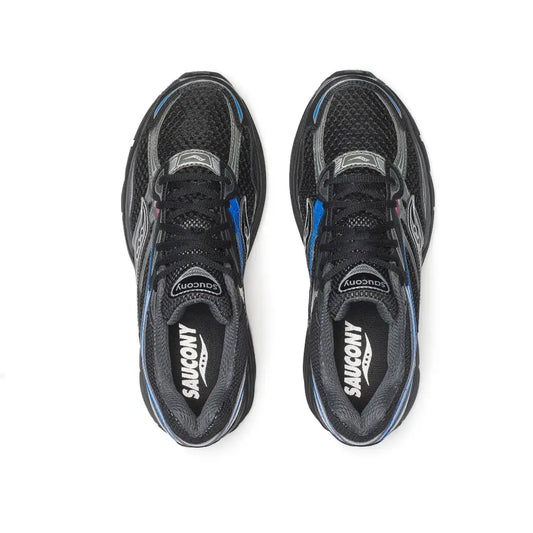
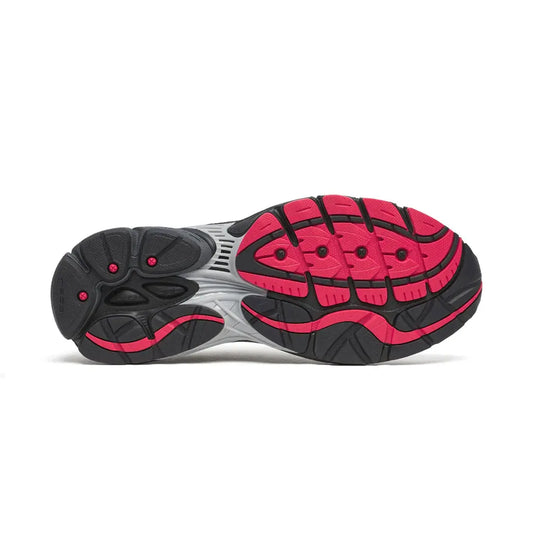
Stan Birch x Saucony ProGrid Guide 7: When Customisation Becomes the Collaboration
Saucony has teamed up with Paris-based creative studio Stan Birch for its first official footwear collaboration with the brand, reworking the ProGrid Guide 7 around colour, material contrast and customisation. The collaboration introduces a cream, mauve, burgundy and metallic gold interpretation of the retro-tech silhouette, with interchangeable Saucony logo patches allowing the wearer to alter part of the shoe's appearance.
The Stan Birch x Saucony ProGrid Guide 7 carries the creative concept “Stand Out”, but the idea is expressed through more than colour. The upper combines open mesh with nubuck, suede and leather overlays, while metallic gold details and contrasting tones create a layered appearance across the early-2000s running silhouette.
The defining feature is the interchangeable branding. Rather than treating the ProGrid Guide 7 as a completely fixed design, Stan Birch has made the Saucony logos part of the customisation process. The result connects Saucony's technical archive with a more contemporary approach to personal expression, turning an existing running silhouette into a collaborative design platform.
Stan Birch Brings a Customisation-Focused Approach to Saucony
Stan Birch approaches the trainer from a creative direction centred on colour, symmetry, personalisation and wearable design. That makes the Paris-based studio a natural collaborator for a brand with Saucony's extensive running archive.
Saucony brings the performance history, technical construction and established identity of the ProGrid Guide 7. Stan Birch changes the way those elements are presented through a more expressive palette, different materials and the ability to alter the shoe's logos.
The collaboration therefore does not require a new silhouette to make an impact. Instead, it uses an existing Saucony model as the foundation for a different interpretation.
The ProGrid Guide 7 Provides the Early-2000s Foundation
The choice of the ProGrid Guide 7 is central to the collaboration. The silhouette comes from Saucony's early-2000s performance running archive, with open mesh, layered overlays, technical detailing and substantial running-derived proportions.
Those characteristics have become increasingly relevant as early-2000s technical trainers have moved back into contemporary trainer culture. The Guide 7 already contains much of the visual complexity associated with that movement.
Stan Birch therefore does not need to rebuild the silhouette. The collaboration works by changing its visual language through colour, texture, materials and customisation while keeping the underlying Guide 7 identity recognisable.
Cream, Mauve, Burgundy and Gold Change the Guide 7's Visual Language
Saucony lists the collaboration's official colourway as Cream / Mauve, while the shoe introduces additional burgundy, cream and metallic gold elements across the upper.
The palette moves away from the silver, grey and metallic combinations often associated with technical Y2K running footwear. Instead, the Guide 7 becomes warmer and more expressive while retaining its performance-derived structure.
That contrast is important. The trainer still looks technical because of its mesh, overlays and sole construction, but the colour treatment gives those elements a different character.
The result is a ProGrid Guide 7 that feels less dependent on the traditional neutral retro-running palette and more closely connected to contemporary creative footwear.
Multiple Materials Add Depth to the Upper
Colour is only part of the collaboration. The upper combines open mesh with nubuck, suede and leather overlays, creating several different textures across the shoe.
The construction of the Guide 7 already divides the upper into multiple panels. Stan Birch uses those existing sections to introduce changes in texture, colour and visual weight.
The open mesh remains visible beneath the overlays, while suede, nubuck and leather create more substantial areas across the upper. Metallic gold details at the toe and heel then add another layer of contrast.
This gives the collaboration more depth than a conventional colourway change. The design works through the relationship between material, texture and colour, rather than relying on one dominant feature.
Interchangeable Saucony Logos Make Customisation Part of the Product
The most distinctive feature of the collaboration is the inclusion of interchangeable Saucony logo patches.
This changes the role of the wearer. A conventional trainer arrives with a fixed visual identity, and styling begins after the product has been purchased. Here, part of that identity can be altered directly on the shoe.
The logo becomes a design element rather than simply a permanent brand mark.
That idea fits naturally with a trainer culture increasingly shaped by personal styling, lace changes, customisation and individual rotations. The collaboration does not simply give the wearer a different colourway; it gives them a small but deliberate choice over how the finished shoe looks.
“Stand Out” Becomes the Central Design Idea
The “Stand Out” concept runs through the collaboration's visual identity and appears as embroidered detailing on the shoe.
The phrase connects several elements of the product. The colour palette moves away from conventional technical-running neutrals. The combination of materials creates contrast. The interchangeable logos introduce personal choice.
Rather than relying on an extremely loud design, Stan Birch interprets standing out through individuality and variation.
That makes the concept particularly relevant to the customisation element. The trainer can remain recognisably a ProGrid Guide 7 while allowing the person wearing it to make small decisions about its final appearance.
The Guide 7 Remains Visible Beneath the Collaboration
One of the strongest aspects of the design is that Stan Birch does not remove the original character of the ProGrid Guide 7.
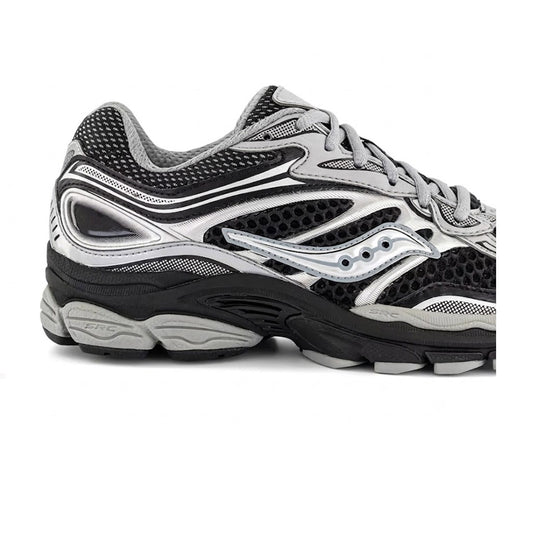
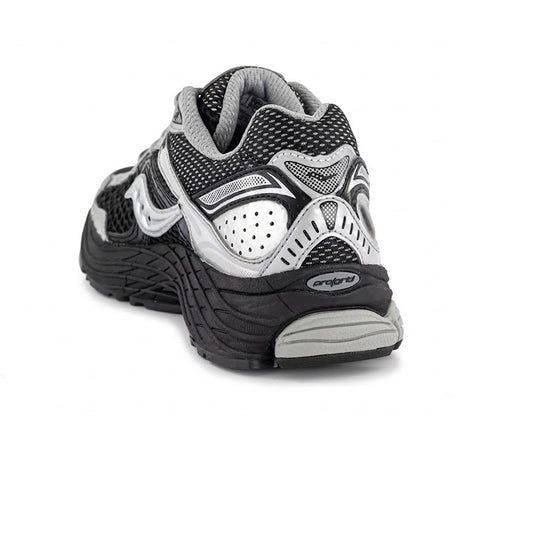
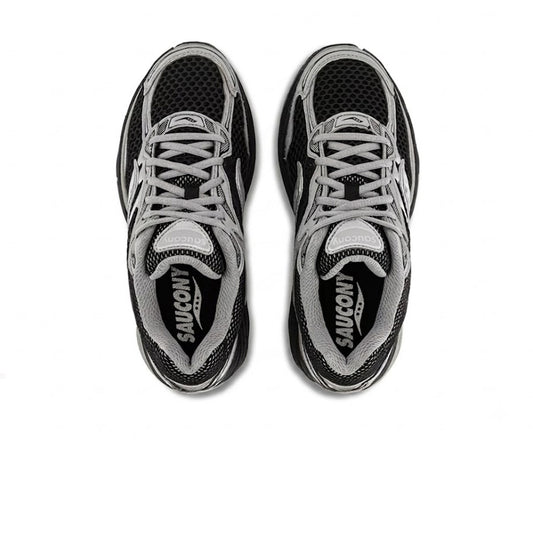
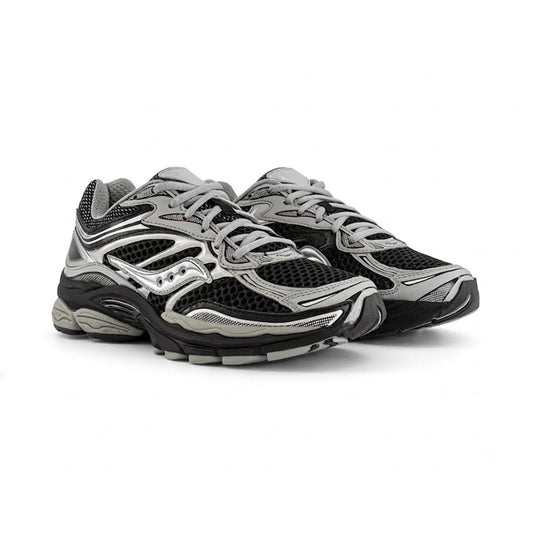
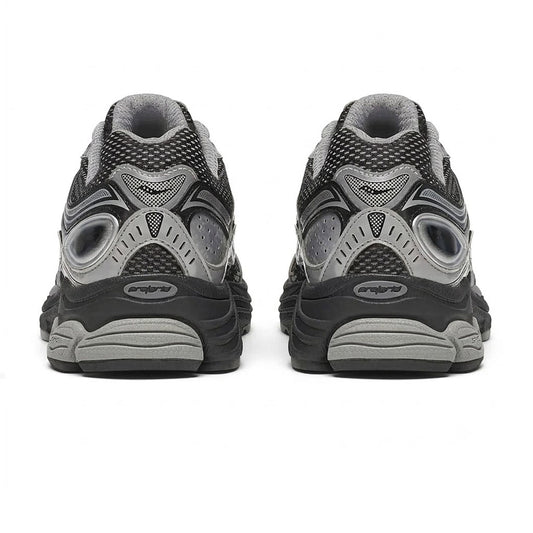
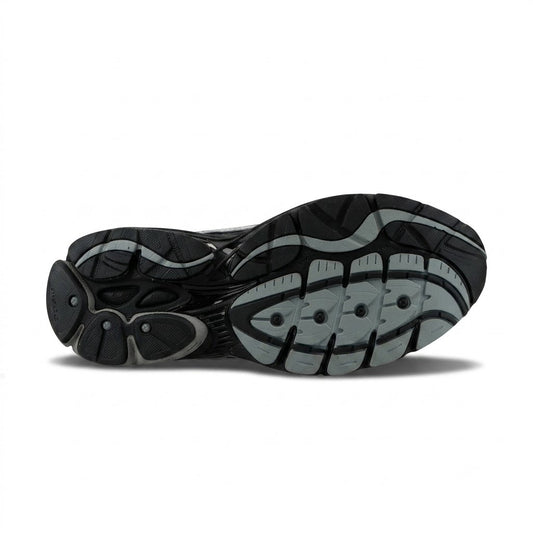
The open mesh remains visible. The layered construction remains intact. The proportions still reference early-2000s performance running. The technical sole continues to give the trainer its retro-running identity.
The collaboration therefore adds rather than replaces.
That distinction matters because a successful collaboration can introduce a new creative perspective without making the original product irrelevant. Here, the Guide 7 remains immediately identifiable while the Stan Birch treatment creates another interpretation of the silhouette.
The ProGrid Guide 7 Becomes a Contemporary Design Canvas
The collaboration also demonstrates how the meaning of a running shoe can change over time.
The Guide 7 was originally developed within a performance-running context. Its mesh, overlays and proportions were connected to the requirements and visual language of technical footwear.
As that era enters the archive, the same characteristics can acquire another function. Mesh becomes texture. Layered panels become visual structure. Performance-derived proportions become part of contemporary styling.
Stan Birch builds on that transition by treating the Guide 7 as a creative canvas rather than simply a historical product.
The Collaboration Shows Why Archive Silhouettes Matter
A collaborator does not necessarily need to invent a new trainer to create something distinctive.
An established silhouette already provides history, proportions, recognition and construction. Those characteristics give a creative project a foundation that a completely new product would not have.
The Stan Birch collaboration uses that foundation directly.
The Guide 7 supplies the technical structure. Stan Birch introduces a new palette, material combinations and customisation. The result remains recognisable but changes the way the shoe is perceived.
That is one of the reasons archive footwear continues to be useful for collaborations. The product already has an identity; the creative partner can create another layer on top of it.
Stan Birch Extends Saucony's ProGrid Revival
The collaboration also adds another dimension to Saucony's wider ProGrid revival.
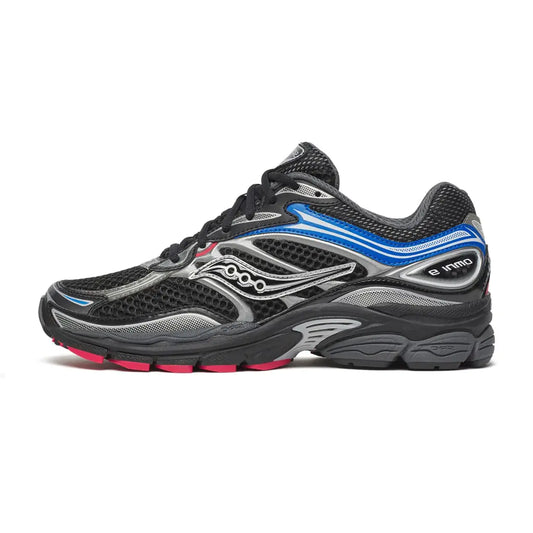
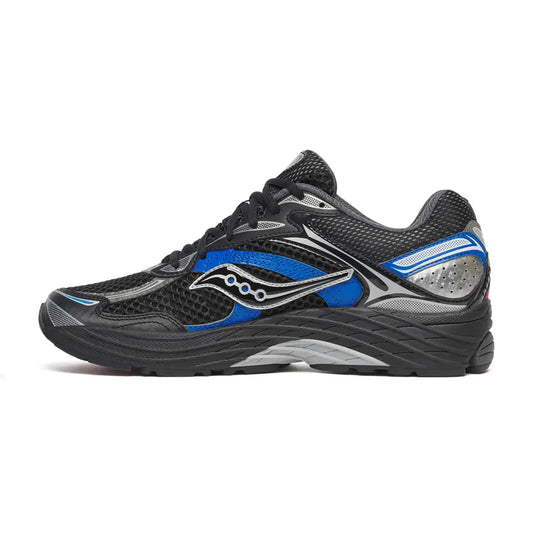
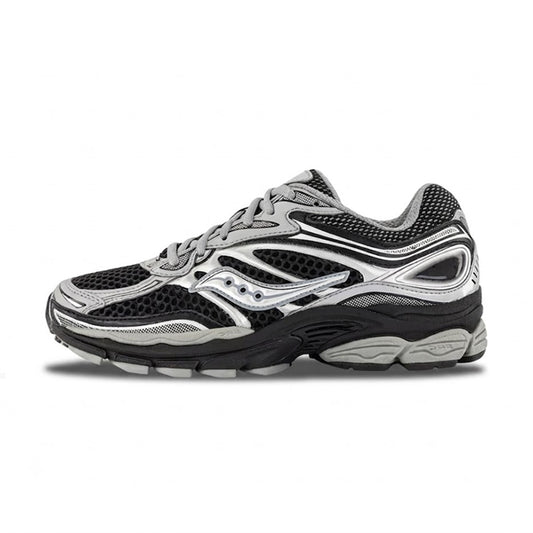
The ProGrid Omni 9 and ProGrid Guide 7 have become important examples of how Saucony's technical running archive can move into contemporary lifestyle footwear. Their open mesh, layered construction and substantial proportions fit naturally within the renewed interest in early-2000s technical trainers.
The Stan Birch Guide 7 demonstrates that this movement does not have to remain tied to one visual formula.
Retro-tech footwear does not always need silver, grey and metallic treatments. The same technical structure can support cream, mauve, burgundy, green, peach and gold without losing its identity.
The silhouette remains technical. The interpretation changes.
Daikanyama and Stan Birch Present Two Different Saucony Directions
The timing of the collaboration is also interesting alongside Saucony's Daikanyama collection.
Both releases use existing Saucony silhouettes to connect the brand's running history with contemporary trainer culture, but they approach that idea differently.
Daikanyama starts with place. Its visual language comes from Tokyo architecture, weathered surfaces, muted colours and the atmosphere associated with the Daikanyama neighbourhood.
Stan Birch starts with personal expression. Its visual language comes from colour, material contrast, symmetry and customisation.
The two projects therefore demonstrate different ways of using the same underlying Saucony archive. One translates a location into footwear. The other translates a creative identity into an existing silhouette.
Together, they show how much variation can be built around Saucony's retro-tech models without abandoning their original character.
The Guide 7 Moves Beyond the Conventional Y2K Palette
The Stan Birch collaboration is particularly relevant to the ProGrid category because technical Y2K footwear can easily become visually repetitive.
The same combination of mesh, metallic panels, grey, silver and black appears across many interpretations of the trend. The Guide 7 demonstrates another direction.
Its cream, mauve, burgundy and gold treatment retains the layered technical construction while introducing a softer and more expressive palette.
That distinction gives the silhouette another identity without requiring a change to its fundamental proportions.
Retro-tech can remain technical without looking identical from one release to the next.
The Stan Birch Guide 7 Works Best Against Simpler Clothing
The combination of colours and materials gives the trainer enough visual information to work as the focal point of an outfit.
Cream or off-white trousers, washed denim, charcoal, brown and relaxed tailoring can provide a relatively neutral base. Burgundy can also be repeated subtly elsewhere in an outfit without attempting to match every colour in the trainer.
The same principle applies to technical outerwear. Simple shapes allow the layered upper and contrasting materials to remain visible.
The interchangeable logos add another small styling variable, allowing the wearer to alter part of the shoe's visual identity without changing the underlying silhouette.
The Collaboration Is Available in the UK
The Stan Birch x Saucony ProGrid Guide 7 is listed by Saucony UK at £140 at the time of writing.
That price and availability should be treated as publication-date information because sizes and stock can change after release.
For UK trainer buyers, the collaboration is therefore no longer simply an upcoming concept. It is a released ProGrid Guide 7 that can be considered alongside Saucony's wider current retro-tech offering.
The Stan Birch Collaboration Gives the Guide 7 a New Identity
The easiest way to describe the release is as a colourful ProGrid Guide 7 with interchangeable Saucony logos. But the more important story is what happens when an existing running silhouette becomes a platform for another creative identity.
Saucony provides the archive and technical foundation. The Guide 7 provides the early-2000s running structure. Stan Birch introduces colour, material contrast and customisation. The wearer then has a degree of control over the final appearance.
That makes the collaboration different from a conventional colourway.
The shoe does not abandon its ProGrid identity, but it no longer has to be understood only through its original performance context. Its technical construction becomes part of a contemporary design language, while the interchangeable logos introduce participation directly into the product.
The ProGrid Guide 7 provides the foundation. Stan Birch changes the interpretation. And customisation gives the wearer the final word.