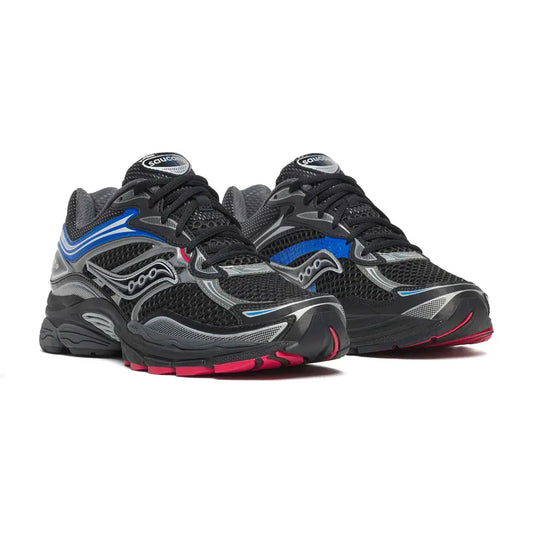
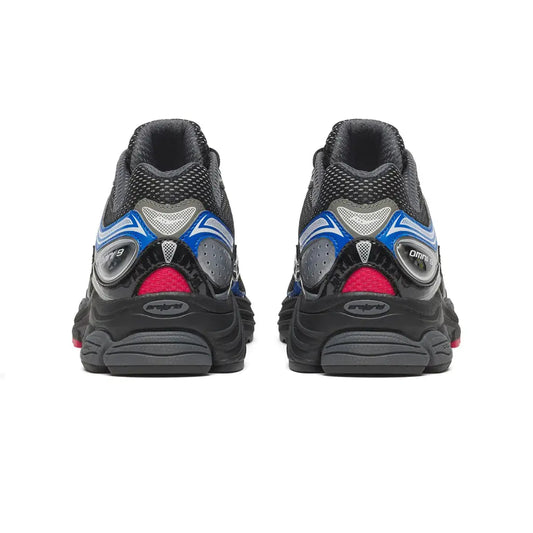
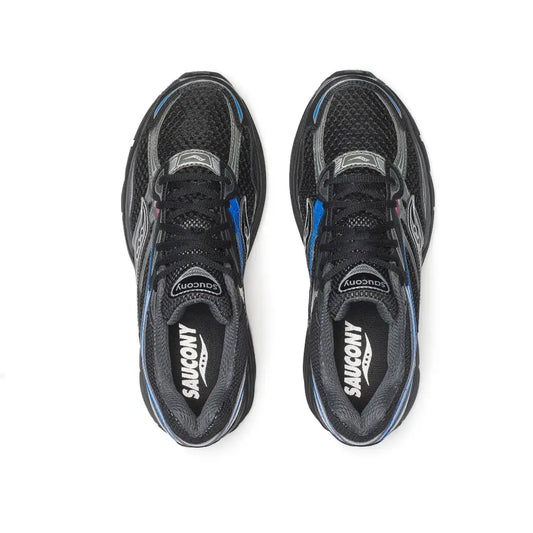
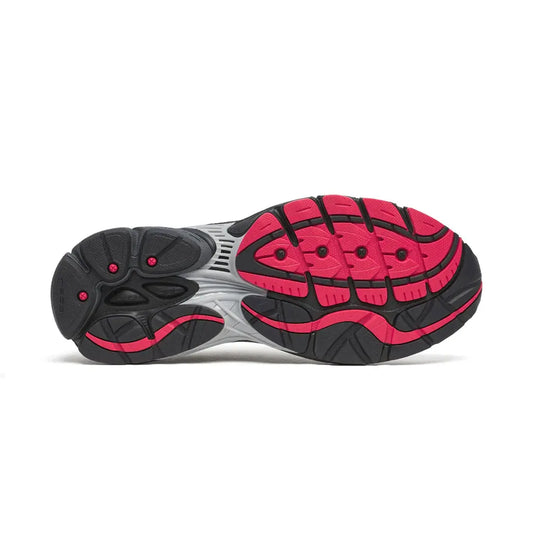
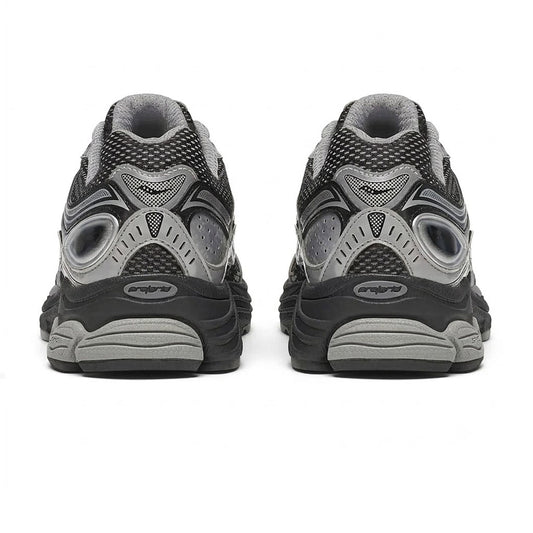
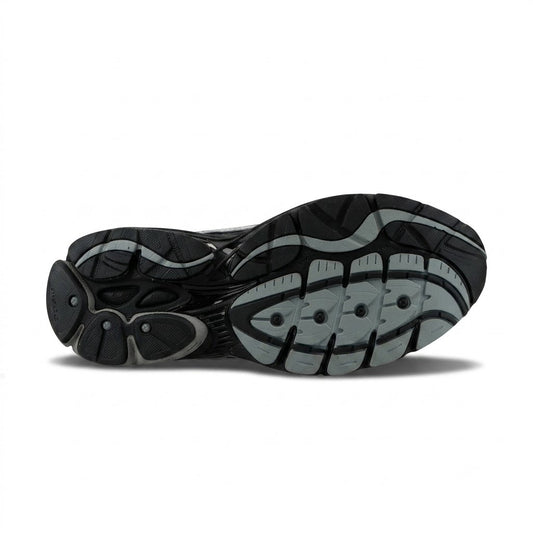
Saucony Paramount Max: Race-Day Foam Built for Everyday Miles
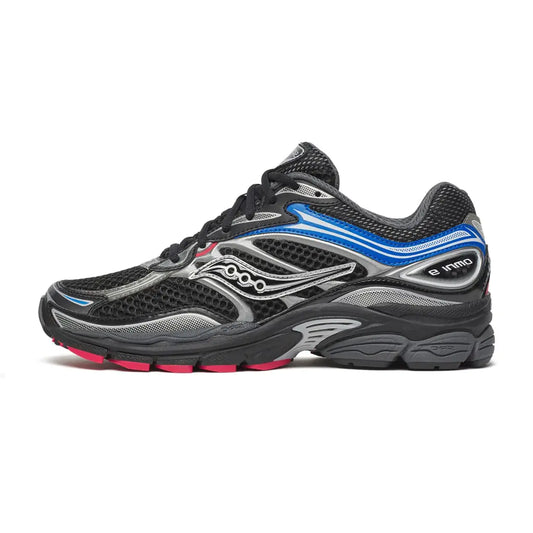
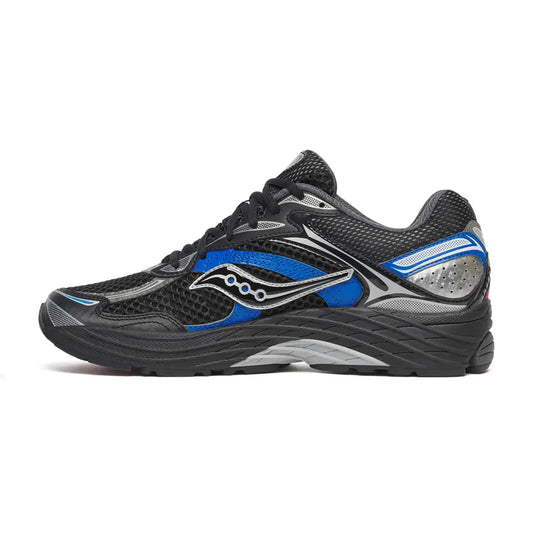
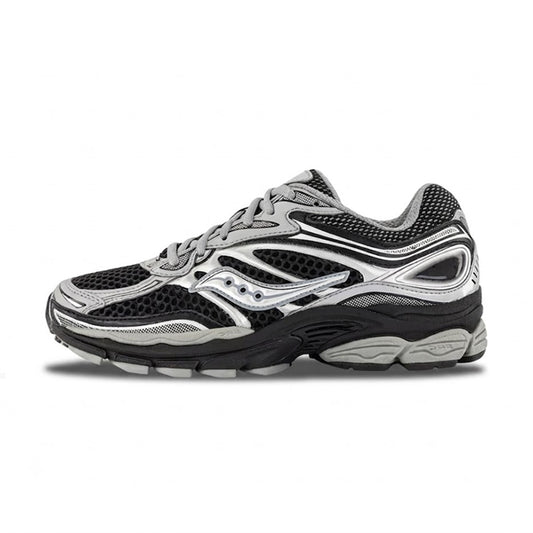
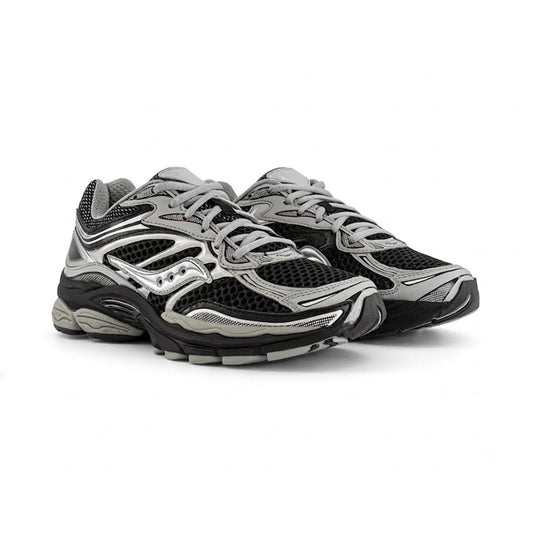
Saucony is bringing one of its more advanced cushioning technologies into a trainer designed for everyday running with the Saucony Paramount Max. Rather than focusing on race-day speed, the new max-cushion model uses a full-length incrediRUN midsole in a high-stack, non-plated platform designed for daily mileage, easy runs, recovery and longer efforts.
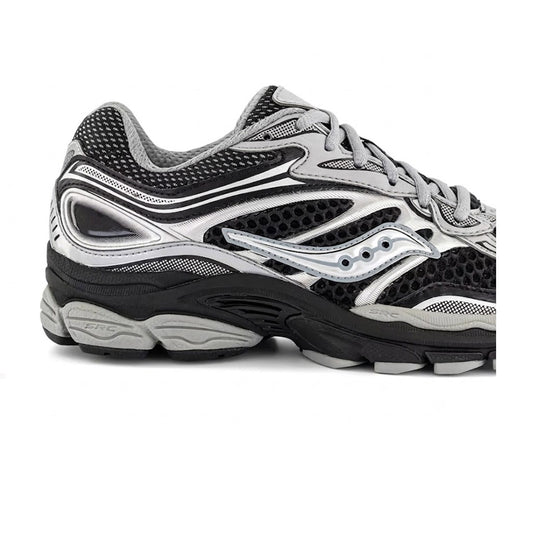
The numbers immediately establish its position within Saucony's performance range: 43mm of heel stack, 37mm at the forefoot and a 6mm drop, with full-length incrediRUN and no plate. The platform is paired with XT-900 rubber and a broad construction intended to make the substantial amount of cushioning practical for regular road training.
The Paramount Max is significant beyond its specifications because it reflects a wider direction in performance footwear. Technologies that were once associated primarily with the fastest shoes are increasingly being adapted for the kilometres between races. In Saucony's case, incrediRUN moves into a trainer where cushioning, protection and energy return matter more than outright race-day speed.
The Paramount Max Brings IncrediRUN Into Everyday Training
The Paramount Max is a new addition to Saucony's performance line rather than the next numbered version of an existing franchise. Its purpose is straightforward: provide a high level of cushioning for regular running while retaining an energetic character.
Instead of building the shoe around the aggressive propulsion associated with dedicated racing footwear, Saucony has created a platform focused on accumulating miles. Comfort, protection, energy return and a broad base all become important because the shoe is designed around the demands of everyday training rather than a single performance objective.
That places the Paramount Max in a different part of Saucony's performance story from its faster Endorphin models. The emphasis is not simply on how quickly a runner can move, but on how advanced cushioning technology can be used across ordinary training.
Full-Length IncrediRUN Becomes the Main Technology
The central feature of the Paramount Max is incrediRUN, used throughout the midsole rather than as a small component within a more conventional cushioning system.
The foam has been associated with Saucony's higher-performance footwear, while the Paramount Max adapts it to a daily-training format. Independent technical coverage has described this implementation as tuned more firmly than the race-oriented application to better suit regular training demands.
That distinction is important because performance technology often follows a similar progression. Innovation begins at the more specialised end of the market, where weight, energy return and speed are prioritised. Over time, elements of that technology can move into footwear intended for a much wider range of running.
The Paramount Max represents that transition for incrediRUN: the technology comes from performance, but the purpose is everyday running.
The Paramount Max Uses High Stack Without a Plate
Despite its substantial stack height, the Paramount Max does not use a carbon or nylon plate. Instead, Saucony relies on the properties of incrediRUN together with the geometry and construction of the platform.
The shoe measures 43mm at the heel and 37mm at the forefoot, creating a 6mm drop. That places it firmly within the max-cushion category, but stack height alone does not determine how a trainer behaves.
A very tall platform introduces its own design considerations. More material can increase protection, but it can also influence weight, ground feel, transition and stability. The challenge is therefore not simply adding more foam, but controlling how that foam behaves underneath the runner.
The Paramount Max approaches that challenge through its broad platform and structural geometry rather than relying on a plate to create its ride.
Saucony Builds Structure Around the Softness
A max-cushion trainer cannot simply depend on a large quantity of soft foam. The platform also needs enough structure to keep the ride usable across regular mileage.
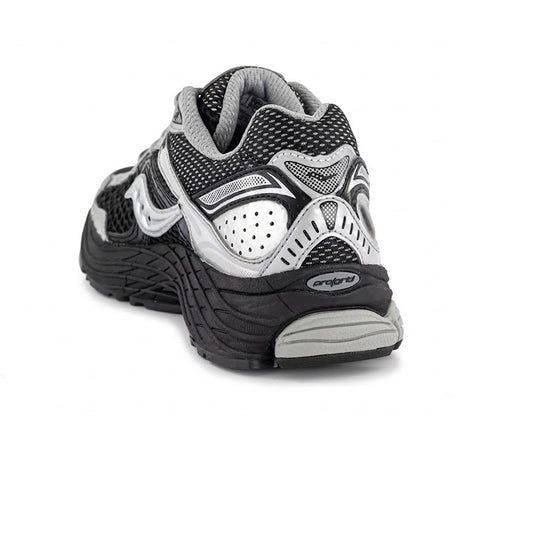
The Paramount Max uses a wide base and higher sidewalls around the foot, creating a more substantial platform around the incrediRUN midsole. Independent testing has highlighted these structural characteristics when assessing how the shoe manages its high level of cushioning.
That creates an important relationship within the design: softness needs structure.
The more cushioning a trainer places beneath the runner, the more important the surrounding geometry becomes. Saucony is therefore not treating the Paramount Max as a simple exercise in increasing stack height. The platform has been designed to give the foam a defined shape and a more controlled relationship with the foot.
The Paramount Max Is Not a Conventional Stability Shoe
Although the Paramount Max uses a broad platform and structural geometry, it should not automatically be classified as a traditional stability trainer.
Early independent testing illustrates why that distinction matters. Doctors of Running's testers did not have identical impressions of the shoe's stability, with one finding the broad platform and sidewalls supportive while another experienced more difficulty with the softness and movement of the platform.
That variation is useful context for understanding highly cushioned footwear. A shoe can have geometry intended to create structure without producing exactly the same stability experience for every runner.
For the consumer, the distinction is relatively simple: the Paramount Max has structural elements that influence its ride, but that does not make it a conventional stability model.
The 43mm Platform Defines the Paramount Max Experience
The height of the Paramount Max is central to its identity. At 43mm in the heel and 37mm in the forefoot, the shoe provides a substantial amount of material between the runner and the road.
That construction is particularly relevant for runners who prioritise protection during accumulated mileage. Easy runs, recovery sessions and longer efforts can all place different demands on the legs, making cushioning an important part of the trainer's purpose.
At the same time, max cushioning is not automatically preferable to a lower or firmer platform. Some runners prefer greater ground feel, less weight or a more direct connection with the road.
The Paramount Max therefore represents a specific approach to running rather than a universal solution: high cushioning combined with an energetic foam and a substantial platform.
The Paramount Max Targets Easy, Recovery and Long Runs
The clearest use case for the Paramount Max is the training that fills most runners' weeks rather than race day itself.
For easy runs, the substantial cushioning provides a platform designed around comfort when pace is not the primary objective. For recovery runs, the high stack offers protection underneath the foot. For long runs, the combination of cushioning and energy return becomes particularly relevant as mileage accumulates.
The shoe can also function as a daily trainer for runners who simply prefer a highly cushioned ride for regular road running.
Independent reviewers have generally positioned the Paramount Max closer to easy, recovery and longer running than aggressive speed sessions. That gives the model a clearer identity within Saucony's broader performance range.
The Paramount Max is not designed to replace a dedicated race shoe. It is designed around everything that happens before and between races.
Paramount Max and Endorphin Take Different Approaches to Performance
The distinction becomes clearer when the Paramount Max is viewed alongside Saucony's Endorphin family.
Endorphin models occupy much of the faster side of Saucony's current performance identity, with different models designed around speed training, racing or faster running. The Paramount Max takes a different route by putting cushioning and daily mileage at the centre of its design.
Its lack of a plate reinforces that difference. Rather than combining a high-performance foam with a rigid propulsion system, Saucony allows the full-length incrediRUN platform and surrounding geometry to define the experience.
The two approaches therefore address different parts of a runner's schedule. Endorphin models can focus more directly on speed and performance, while Paramount Max is built around protection, cushioning and sustained everyday use.
Max Cushioning Does Not Have to Mean a Lifeless Ride
Traditional heavily cushioned footwear could involve compromises. More protection could mean additional weight, while softer cushioning could sometimes reduce the feeling of responsiveness.
Modern foam development is increasingly aimed at changing that relationship. The objective is not simply to put more material under the foot, but to provide substantial protection while maintaining energy return.
That is where incrediRUN becomes particularly important to the Paramount Max. The shoe is not built around softness alone. Its appeal depends on combining a substantial platform with a foam intended to maintain an energetic response.
Early independent reviews have repeatedly highlighted the soft and bouncy character of the ride, particularly during easy and longer running.
The result is a different interpretation of max cushioning: more protection without making the trainer feel completely passive underneath the foot.
CenterPath Helps Shape the Platform
CenterPath is another part of the Paramount Max's construction, although its role needs to be described carefully.
Rather than presenting CenterPath as a mechanism that will automatically correct or control a runner's movement, it is more useful to understand it as part of the platform geometry used to create a more guided and structured experience around the substantial cushioning.
That distinction matters because footwear geometry can influence how a shoe feels without producing the same result for every runner.
In practical terms, the relationship is straightforward: incrediRUN provides the cushioning and energy-return foundation, while the surrounding platform geometry helps make that cushioning usable.
Paramount Max Reflects the Growing Technical Daily Trainer
The Paramount Max arrives during a period in which advanced running technology is increasingly appearing outside dedicated racing footwear.
Carbon plates, highly responsive foams, unusual geometries and lightweight constructions have traditionally attracted attention through race-day shoes. But runners spend considerably more time training than racing, making the everyday trainer an increasingly important place for technical development.
That changes the role of innovation.
A foam does not necessarily need to be reserved for the fastest shoe in a brand's range. The same development can potentially benefit runners during the much larger number of kilometres completed at everyday training pace.
The Paramount Max represents that idea clearly. Instead of asking how far a training shoe can move towards race-day performance, it asks how much advanced technology can improve the ordinary running experience.
The Paramount Max Fits the Super-Trainer Movement
The Paramount Max also sits within the broader rise of what is commonly described as the super trainer.
The term does not represent a completely fixed technical category, but it generally describes training shoes that borrow materials, technologies or design ideas from higher-performance footwear while remaining suitable for regular mileage.
Paramount Max is an interesting interpretation because the focus is not on reproducing a plated racing shoe. There is no plate at the centre of the proposition. Instead, the foam becomes the primary technology.
That gives the model a different identity from a trainer designed to mimic the geometry of a race-day shoe. Its purpose is to bring some of the benefits associated with advanced performance materials into a more relaxed and repeatable running format.
Max Cushioning Remains a Matter of Personal Preference
A 43mm heel stack does not automatically make a trainer better than one with less cushioning.
Some runners prefer a lower platform, greater ground feel, firmer cushioning or a lighter overall shoe. Others want substantial protection and a more pronounced underfoot experience.
That is why max cushion should describe a category rather than a quality ranking.
The Paramount Max makes sense for runners whose priorities match its construction.
For buyers comparing new releases, upcoming sneaker releases and trainer culture can also reveal how trainer design is evolving beyond pure performance.
It is less obvious for someone primarily looking for a lightweight race-day shoe, a low-stack trainer or a highly direct road feel.
Its purpose is specialisation rather than universality.
Early Reviews Highlight the IncrediRUN Ride
Because OG Kicks has not independently tested the Paramount Max, its early performance should remain clearly attributed to external testing.
Specialist reviews broadly agree that the full-length incrediRUN platform is the defining feature of the shoe. Believe in the Run has positioned it towards recovery days and easy miles, while Doctors of Running has highlighted its soft, bouncy character and suitability across easier and longer running. RoadTrailRun has similarly focused on the energetic cushioning created by the full-length incrediRUN platform.
The reviews are not completely identical, however. Differences appear around stability, preferred pace and how individual testers respond to the softness of the platform.
That variation is important because ride experience remains subjective. Construction specifications can be measured, but the way a highly cushioned shoe feels under different runners cannot be reduced to one universal conclusion.
Paramount Max Adds Another Layer to Saucony's Performance Identity
The Paramount Max arrives at an interesting point in Saucony's wider development.
The brand's current identity can be seen through several different directions: ProGrid brings archive performance technology into contemporary lifestyle footwear; the Daikanyama collection connects running heritage with design and culture; the Stan Birch collaboration uses the ProGrid Guide 7 as a platform for customisation; and the Endorphin Speed 6 represents current performance development aimed at faster running.
For shoppers exploring Saucony Daikanyama's Tokyo-inspired style, the collection offers a more lifestyle-focused expression of the brand's running heritage.
Paramount Max adds another layer by taking advanced cushioning technology and adapting it to ordinary mileage.
That gives Saucony a broader performance story. The brand can look back through its archive while continuing to develop how modern running technology is used across different types of footwear.
The Stan Birch ProGrid Guide 7 collaboration takes that archive-led approach into a more personalised direction.
The Paramount Max Turns Performance Technology Into Everyday Utility
The most interesting aspect of the Paramount Max may ultimately be less about the foam itself than what the foam is being asked to do.
Most runners are not thinking about foam chemistry while they are running. They experience the result through sensations: how soft the trainer feels, how much protection it provides, whether it returns energy and whether their legs remain comfortable as the kilometres accumulate.
That is where technology becomes meaningful.
The Paramount Max takes one of Saucony's advanced cushioning technologies and places it into a relatively simple proposition: make everyday running feel better.
There is no requirement for a race, a personal best or an aggressive pace. The technology is being used for the ordinary miles that make up most training.
And that is ultimately what makes the Paramount Max significant within Saucony's current performance range: race-developed cushioning is being repositioned for the everyday run.