How to Buy Sneakers Online with Confidence
Buying sneakers online has never been easier. From everyday releases to limited collaborations and highly sought-after trainers, thousands of retailers and resale platforms now make it possible to find almost any pair without visiting a physical shop.
But greater choice also creates more decisions.
The right purchase is not necessarily the cheapest pair you can find. It is the pair that matches your needs, fits correctly, comes from a reliable seller and arrives in the condition you expected.
That means a confident purchase begins long before you reach the checkout.
Before buying, you need to understand what you are buying, who you are buying it from and whether the information available gives you enough confidence to proceed.
Start with the Right Sneaker, Not the Lowest Price
One of the easiest mistakes when shopping online is beginning with price.
A search for the cheapest available pair can quickly turn the buying process into a comparison of numbers rather than products.
Experienced buyers usually start by asking a different question:
Is this actually the right sneaker for me?
Consider how you intend to wear it.
Are you looking for an everyday trainer, a performance model, a lifestyle silhouette or a collectible release?
Do you prioritise comfort, durability, versatility, craftsmanship or collectability?
Answering these questions first makes it much easier to narrow your search.
A discounted pair is not necessarily good value if it does not suit the way you intend to wear it.
If you are shopping with a defined budget, comparing trainers under £200 can help you focus on quality, versatility and overall value rather than simply choosing the cheapest pair available.
Likewise, paying more for a particular release can make sense when the materials, construction, rarity or design genuinely justify the difference.
The best purchase starts with the right product, not simply the lowest price.
Know Exactly Which Release You Are Buying
Knowing the sneaker model is only the beginning.
The same silhouette can appear in numerous colourways, collaborations and editions, with differences in materials, construction, packaging and release details.
A standard release and a limited collaboration may share the same basic silhouette while offering a completely different product experience.
This matters when comparing prices.
Two pairs may look broadly similar in photographs but have different materials, release histories or levels of demand.
Before comparing sellers, make sure you are comparing the same release.
Check details such as:
-
Model name
-
Colourway
-
Style code
-
Release year
-
Material construction
-
Collaboration details
-
Men's, women's or youth sizing where relevant
-
Included accessories or packaging
This is particularly important for sought-after releases, where small differences can have a meaningful impact on market value.
Understand Why the Sneaker Was Designed
A sneaker's history can also tell you something about what to expect from it.
Some of the most recognisable silhouettes began as performance footwear before becoming part of everyday streetwear.
Air Jordan models have basketball heritage.
Nike Dunks moved from basketball into skateboarding and contemporary fashion.
New Balance has developed models with roots in running, walking and lifestyle footwear.
For example, if you are looking to buy a New Balance lifestyle trainer online, the New Balance 550 White Grey is one model worth considering for its structured, basketball-inspired design.
Understanding that background provides useful context when evaluating construction, comfort and intended use.
A trainer originally designed for running may feel very different from a basketball-inspired lifestyle model, even if both are now primarily worn as everyday footwear.
The history of the sneaker is therefore more than an interesting detail.
It can help you understand why the product feels the way it does.
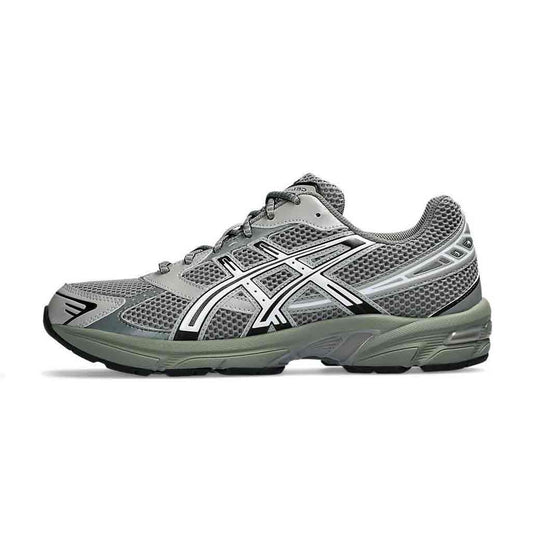
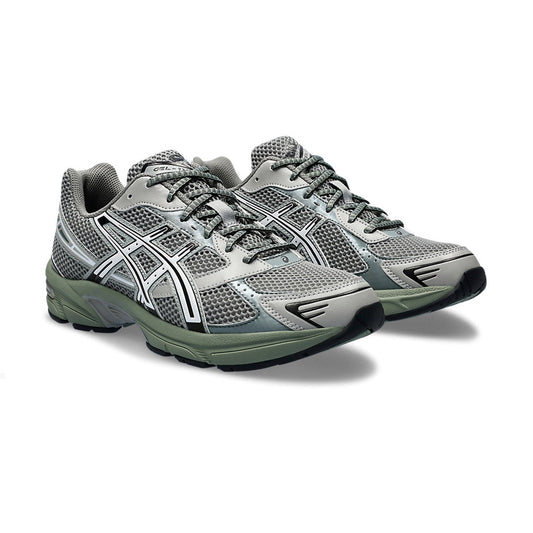
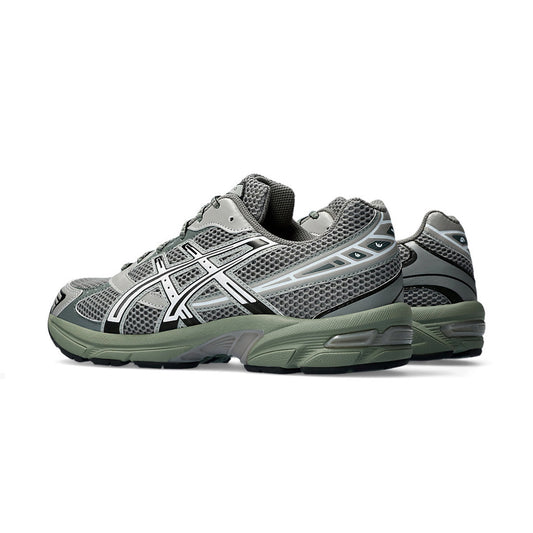
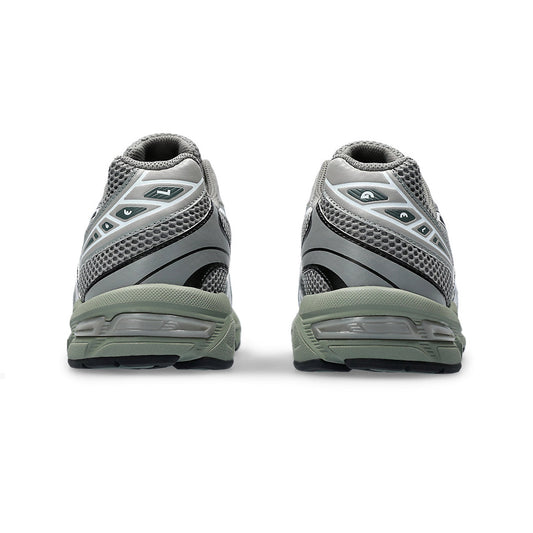
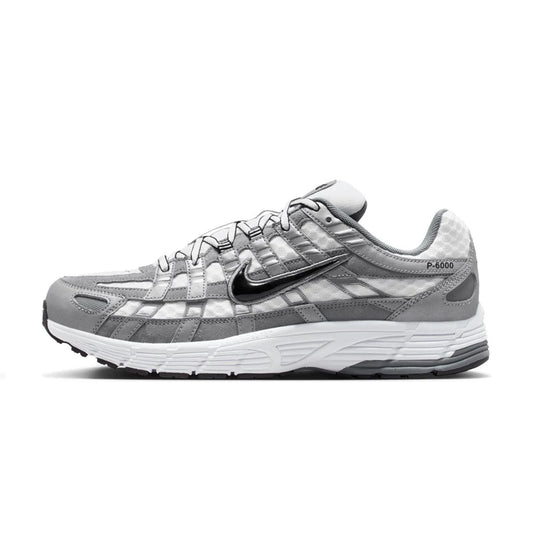
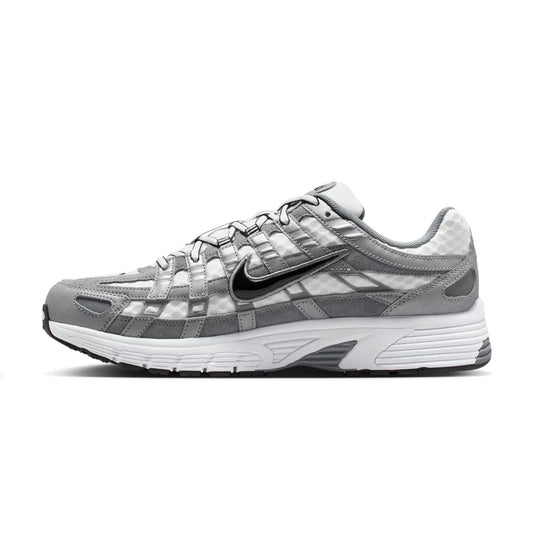
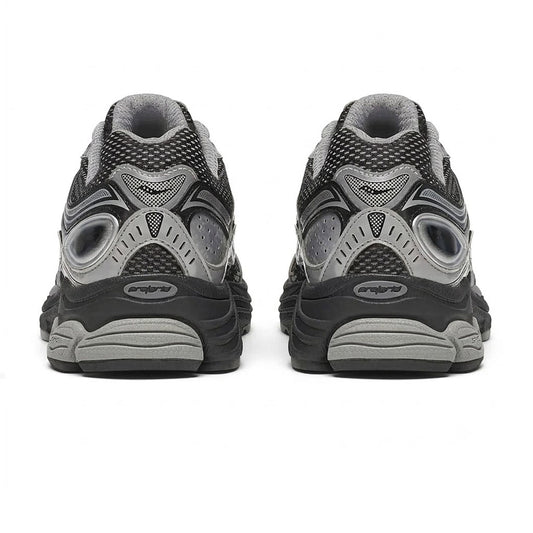
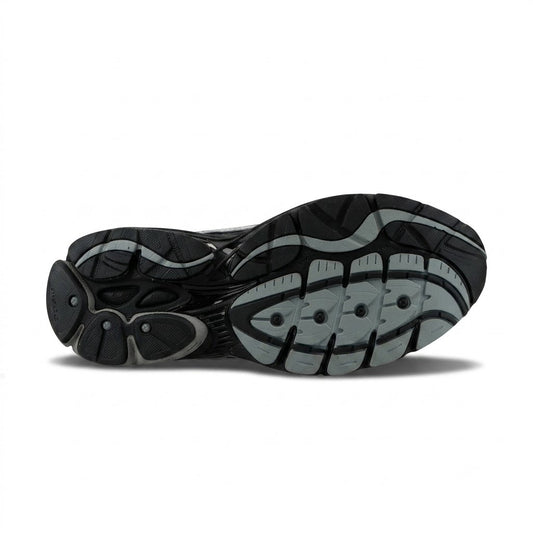
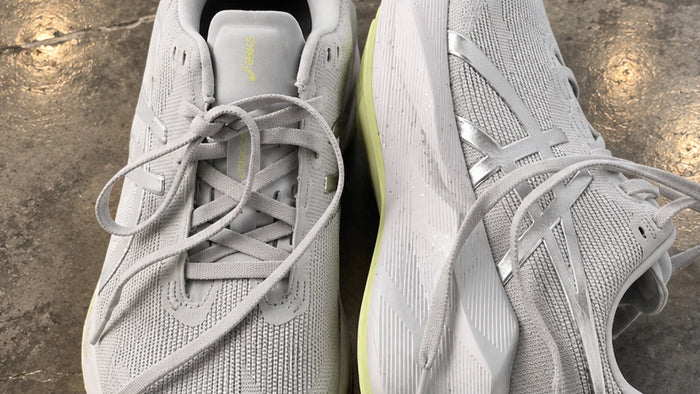
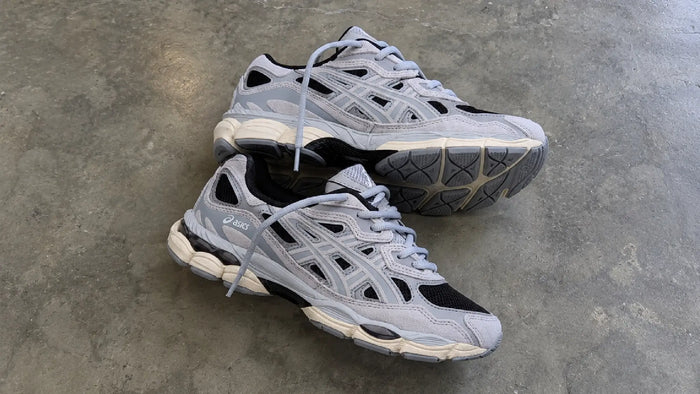
Product Photos Tell You More Than the Main Image
Product photography is one of the most useful tools available when buying sneakers online.
However, one polished product photograph rarely tells you everything you need to know.
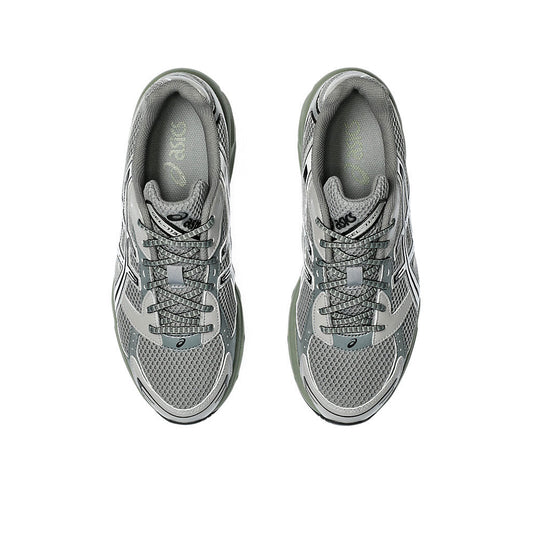
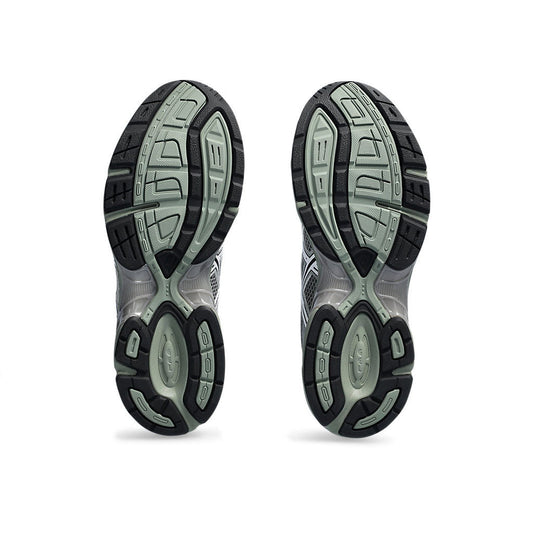
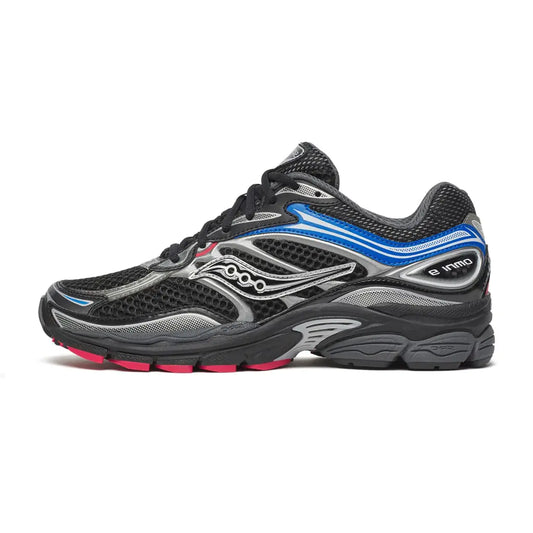
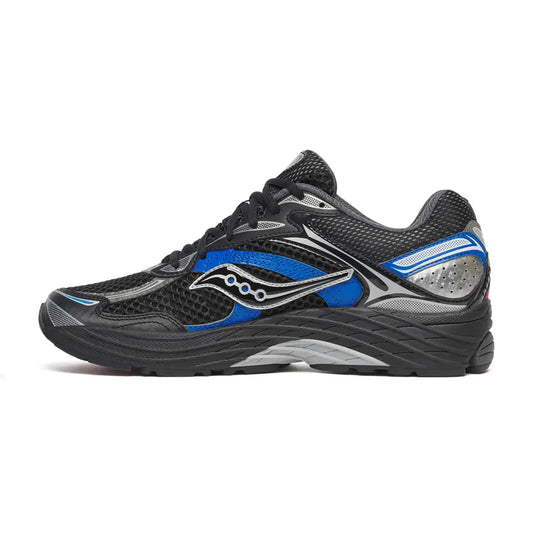
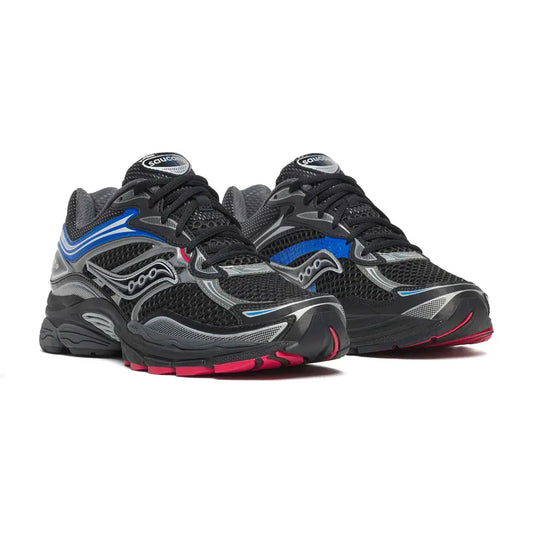
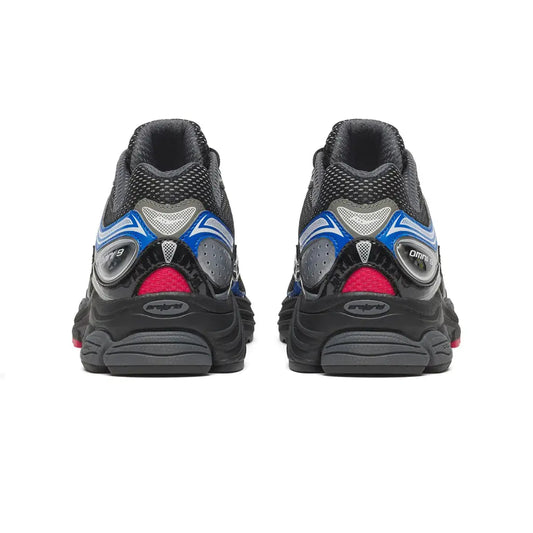
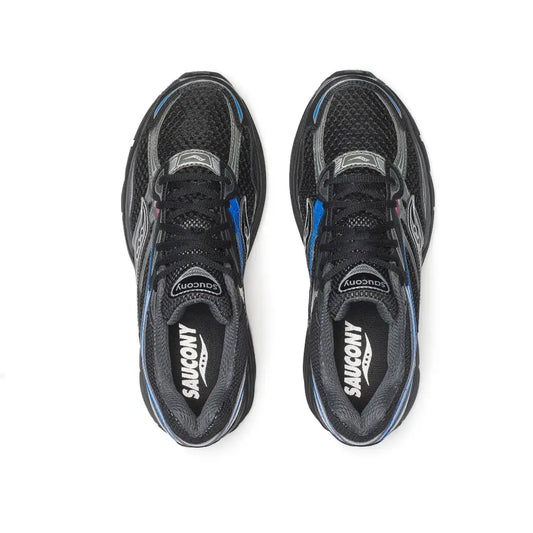
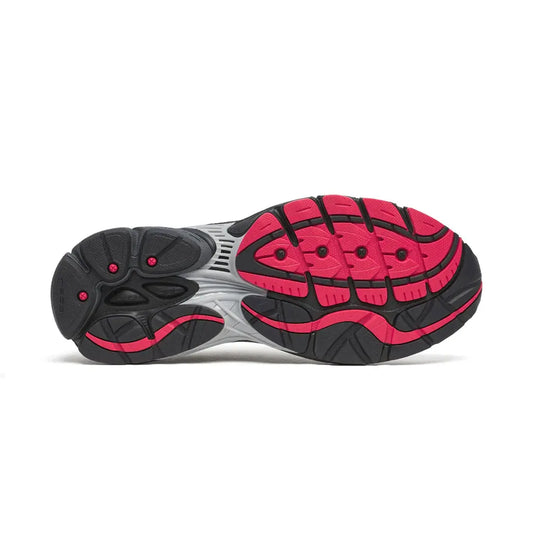
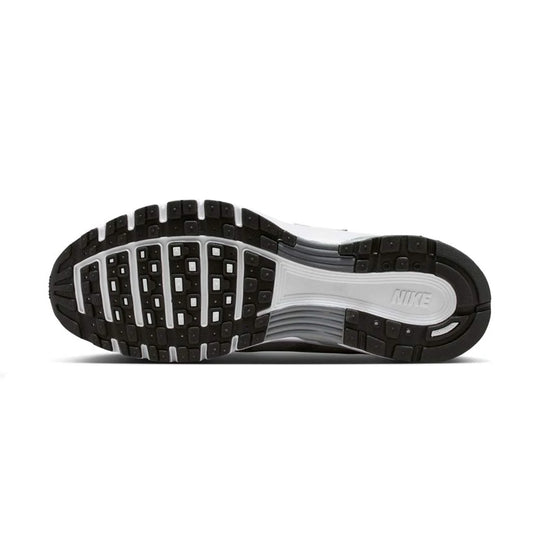
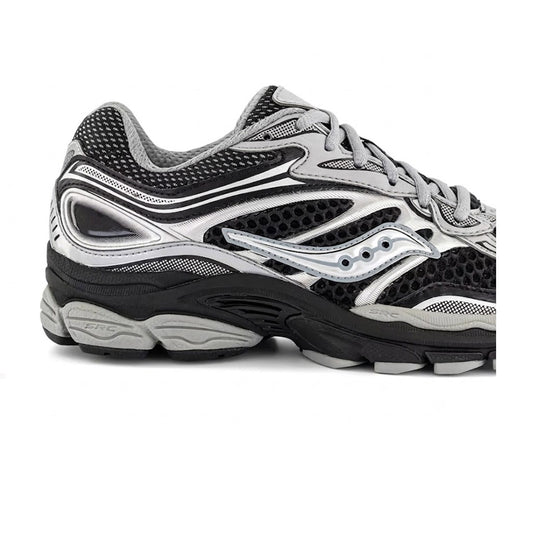
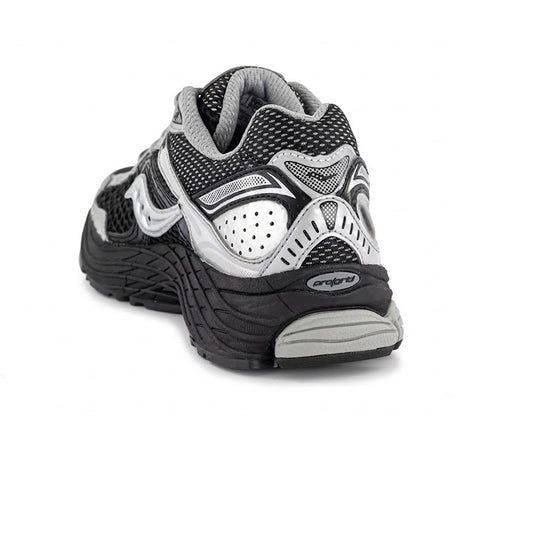
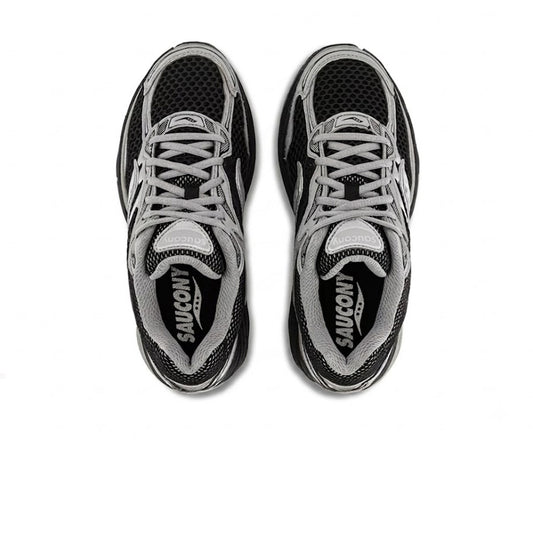
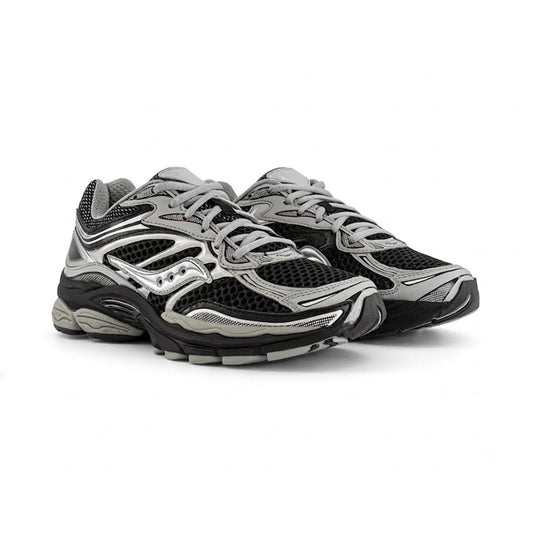
Look for listings that provide multiple angles, particularly views of:
-
The toe box
-
Side profile
-
Heel
-
Outsole
-
Tongue
-
Branding
-
Size label
-
Stitching
-
Materials
-
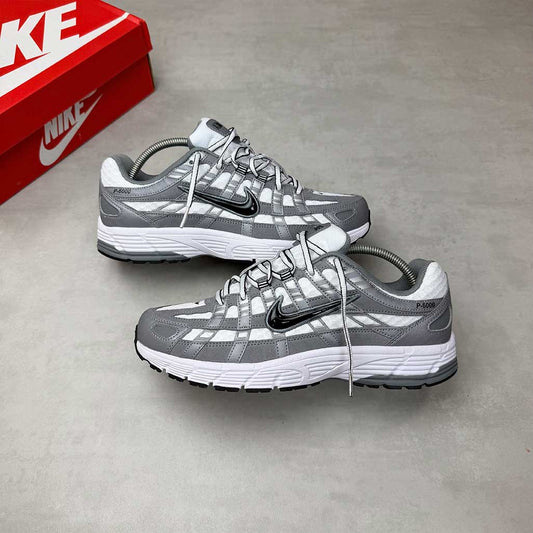
Box and accessories where relevant
Different angles can reveal details that are difficult to notice from a single photograph.
This is particularly important when buying from a resale platform or independent seller, where the product may not be photographed in the same controlled environment as an official retailer.
Lighting can also change how colours and materials appear on screen.
A suede texture may look different under studio lighting, while leather grain can be difficult to assess from a compressed photograph.
For that reason, photographs should always be considered alongside the written product description.
Compare the Photos with the Description
A good listing should tell a consistent story.
If the description states that the trainers are brand new but the photographs show visible signs of wear, that discrepancy deserves attention.
Likewise, if the seller describes a particular material or colourway that does not appear consistent with the photographs, ask questions before purchasing.
Look for clear information about:
Condition
Is the pair brand new, unworn, tried on or previously worn?
Accessories
Are the original box, spare laces, tags or other accessories included?
Product details
Does the model and colourway match the photographs?
Condition of packaging
If the box is important to you as a collector, check whether it is included and what condition it is in.
The more complete and consistent the information, the easier it becomes to understand what you are actually purchasing.
The Lowest Price Is Not Always the Best Deal
Price is important, but it should always be considered in context.
A lower price can have perfectly legitimate explanations.
A retailer may be clearing older stock. A seller may need to move a pair quickly. A particular size may have lower demand than others.
At the same time, an unusually low price can justify additional questions.
The opposite is also true.
A high price does not automatically mean that a pair is more authentic, better maintained or worth the premium.
Instead of asking only:
"Is this the cheapest price?"
ask:
"What am I getting for this price?"
Consider the sneaker's condition, authenticity, seller reputation, availability, size and overall buying experience.
That gives you a much more realistic understanding of value.
Check the Seller Before You Buy
The seller is one of the most important parts of an online sneaker purchase.
A reliable retailer or reseller should be able to provide clear information about the product and answer reasonable questions about the pair.
Look for:
-
Clear product descriptions
-
Accurate photography
-
Transparent condition information
-
Clear returns information
-
Accessible customer service
-
Consistent contact details
-
Evidence of genuine product knowledge
A seller who understands sneakers should also be able to explain relevant differences between models and releases.
This becomes particularly important when buying collectible or high-demand trainers, where the product itself may require more explanation than a standard retail item.
A trustworthy seller does not need to make exaggerated claims.
Transparency is often more valuable than sales language.
Check the Returns Policy Before Paying
Returns are easy to overlook when you are excited about finding a particular pair.
They should not be.
Before completing your purchase, understand what happens if:
-
The size does not fit
-
The product differs from the listing
-
The condition is not as described
-
You change your mind
-
The item arrives damaged
The rules can vary significantly between retailers, marketplaces and independent sellers.
This is particularly important when buying sneakers online because sizing can vary between brands and models.
A clear returns policy gives you greater flexibility if the pair does not meet your expectations.
Getting the Right Size Matters
Finding an authentic pair from a reliable seller is only half the process.
It also needs to fit.
Different brands—and even different models within the same brand—can create different wearing experiences.
An Air Jordan 1, Nike Dunk and New Balance 990 may all be worn as lifestyle trainers, but their construction and fit can feel noticeably different.
Before ordering, check the sizing guidance, for the specific model. rather than assuming that your usual size will feel identical across every brand.
If you are uncertain:
-
Check the relevant size chart.
-
Measure your feet.
-
Compare the measurements with a pair you already own.
-
Read sizing information for the specific model.
-
Consider your foot width and preferred fit.
This can save considerable time and avoid unnecessary returns.
Authenticity Should Be Part of the Buying Process
If you are purchasing from an independent seller, marketplace or resale platform, authenticity should be considered before you pay rather than after the package arrives.
Look at the complete picture.
Consider:
-
Seller credibility
-
Product photographs
-
Construction
-
Materials
-
Branding
-
Labels and product information
-
Packaging where relevant
-
Purchase history or provenance where available
-
Whether the price appears consistent with the market
No single feature should be treated as definitive proof.
Modern counterfeit products can reproduce individual details surprisingly well, which is why authentication works best when multiple characteristics are considered together.
If you are buying a highly sought-after pair, taking a few additional minutes to understand how authentication works can significantly reduce unnecessary risk.
Understand the Difference Between Retail and Resale
Buying from an authorised retailer and buying through the resale market are not necessarily the same experience.
At retail, you are generally purchasing at the original selling price from a business operating within the brand's authorised distribution network.
On the resale market, availability and pricing are influenced by demand, scarcity, size and market conditions.
A trainer originally released at one price may later trade for considerably more—or sometimes less.
Understanding this distinction prevents unrealistic expectations when comparing prices across different websites.
It also helps explain why the "same" sneaker can have dramatically different prices depending on where you find it.
Think About the Condition, Not Just the Product Name
"New" can mean different things depending on the seller and marketplace.
Before buying, understand whether the pair is:
-
Brand new and unworn
-
Tried on indoors
-
Worn once
-
Previously worn
-
Displayed
-
Missing original packaging
For collectors, sneaker collecting, even small differences in condition can matter.
For everyday buyers, condition may be less important than comfort and value.
The important point is that the condition should match your expectations before you purchase.
Consider How You Will Actually Wear Them
A sneaker can be desirable without being right for your lifestyle.
Ask yourself how often you are likely to wear the pair.
Will you use them every day?
Do you need something suitable for long periods of walking?
Are they primarily for styling?
Are they intended for collecting rather than regular wear?
Will the materials work well with the conditions in which you plan to wear them?
These questions can completely change what represents good value.
A highly collectible pair that you are afraid to wear may not be the best choice for someone looking for an everyday trainer.
Conversely, a versatile pair that works with most of your wardrobe may become one of the most frequently worn sneakers you own.
Consider the Full Cost of the Purchase
The price displayed on a product page may not always represent the final cost.
Depending on where you are buying from, consider:
-
Delivery
-
Returns
-
Duties or taxes where applicable
-
Marketplace fees
-
Authentication fees
-
Additional accessories
This is particularly important when buying internationally.
A pair that initially appears cheaper may become less competitive once the complete cost of getting it to your door has been considered.
Compare the final cost, not just the advertised price.
Ask Questions Before You Buy
If something important is unclear, ask.
A good seller should be able to answer reasonable questions about the product.
For example:
Is the pair brand new and unworn?
Does it include the original box?
What size is available?
Where was the pair purchased?
Are the photographs of the actual pair?
What is the returns policy?
The quality of the response can provide useful information in itself.
A clear and knowledgeable answer can increase confidence.
An evasive or contradictory response may justify taking a closer look before proceeding.
The Three Decisions Behind Every Sneaker Purchase
Buying sneakers online can be simplified into three fundamental questions.
1. Is this the right sneaker?
Does the model, design, material and intended use match what you actually want?
2. Is this the right fit?
Does the size and construction suit your feet and your preferred wearing experience?
3. Is this the right seller?
Can you trust the information, product condition, authenticity and service being offered?
When all three questions have satisfactory answers, the purchase becomes considerably easier to evaluate.
Good Buyers Ask Better Questions
You do not need to know every sneaker release on the market to become a confident online buyer.
You simply need to develop the habit of asking the right questions.
Before purchasing, consider:
What exactly am I buying?
Is this the right size?
Are these photographs of the actual pair?
Does the condition match the description?
Is the price reasonable for this specific release and condition?
Can I trust the seller?
What happens if the size is wrong?
What happens if the product is not as described?
These questions turn an impulsive purchase into a considered decision.
Confidence Comes from Understanding
Buying sneakers online does not need to feel risky.
The more you understand the product, the seller, the market and your own requirements, the easier it becomes to recognise a genuinely good purchase.
The goal is not to find the cheapest pair available.
It is to find the right pair, at a fair price, from a seller you can trust, in a size and condition that match your expectations.
That approach works whether you are buying your first pair of Nike Dunks, searching for a rare Air Jordan release or adding another New Balance silhouette to your collection.
If you are ready to buy a Nike Dunk online, the Nike Dunk Low Retro White Black is a straightforward option to consider.
Confidence is not created at checkout.
It is built through the decisions you make before you click buy.
Frequently Asked Questions
What should I check before buying sneakers online?
Check the exact model and release, size, condition, product photographs, seller reputation, authenticity information, price and returns policy before purchasing.
How can I tell if an online sneaker seller is trustworthy?
Look for clear product information, accurate photographs, transparent policies, accessible customer service and evidence that the seller understands the products they offer.
Is the cheapest sneaker online the best deal?
Not necessarily. Compare the full cost, condition, authenticity, seller credibility and returns policy rather than focusing only on the advertised price.
How do I know what sneaker size to buy online?
Start with your experience with the same brand and model where possible, then check the specific size chart and consider your foot length, width and preferred fit.
How can I check whether sneakers are authentic?
Authentication should consider multiple factors, including construction, materials, branding, product information, packaging and seller credibility. No single detail should be treated as definitive proof.
Should I buy sneakers from a resale platform?
Resale platforms can provide access to releases that are no longer available at retail, but buyers should understand the platform's authentication process, fees, returns policy and seller protections before purchasing.
What should I do if the product description and photographs do not match?
Ask the seller for clarification before purchasing. If the discrepancy cannot be explained clearly, consider choosing another listing.
What makes a sneaker good value?
Good value depends on more than price. Consider the sneaker's quality, condition, authenticity, versatility, expected use, seller reliability and the total cost of the purchase.