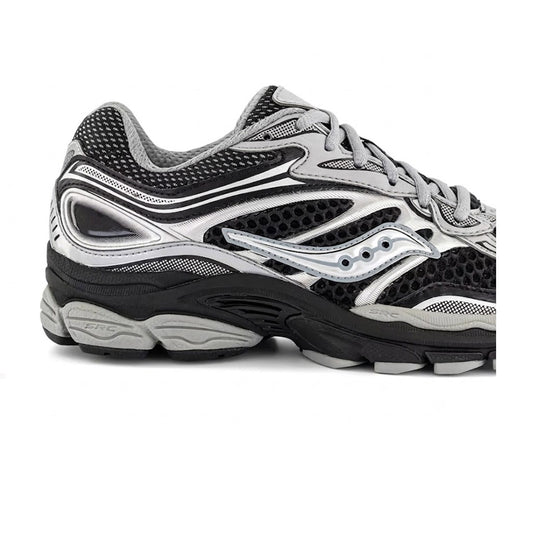
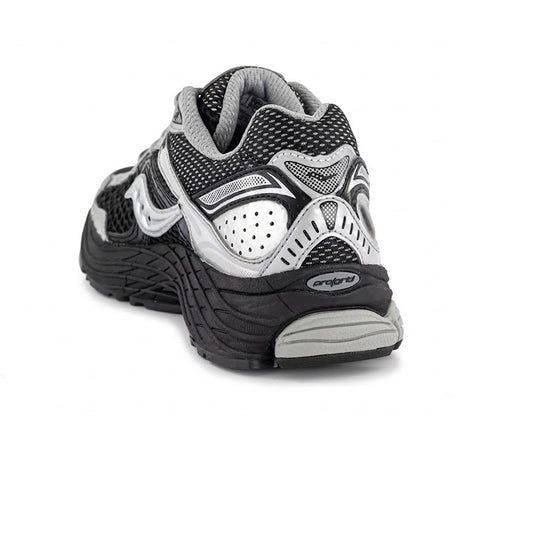
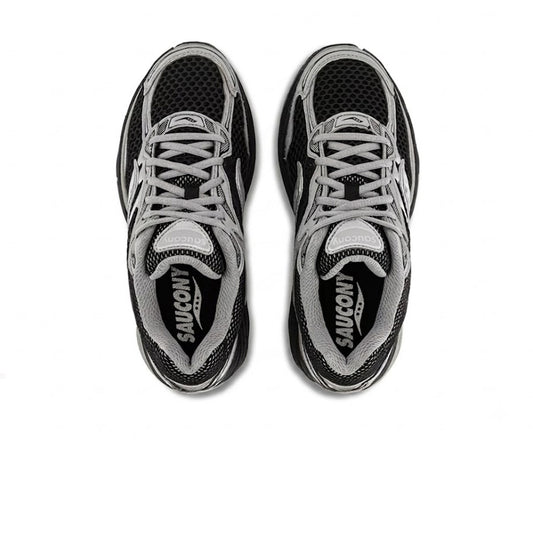
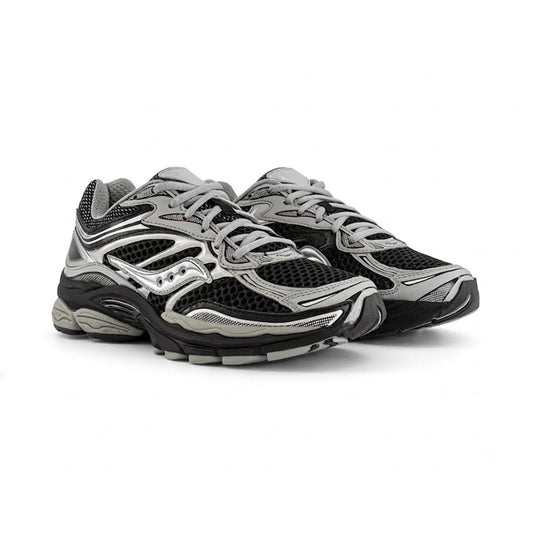
Saucony Sizing Guide: How Do Saucony Trainers Fit?
Buying Saucony trainers online raises one question before almost everything else: what size Saucony should I buy?
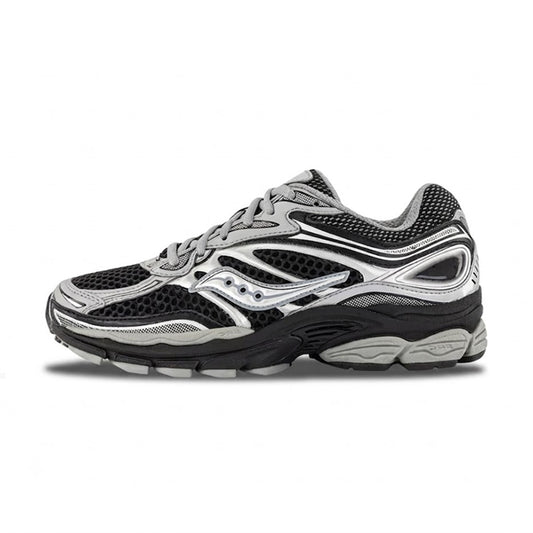
For many people, their usual UK trainer size is the natural starting point. But there is no single Saucony sizing rule that works perfectly across every model. A ProGrid Omni 9, Ride Millennium, Shadow or performance running shoe can feel different even when the size printed on the box is the same.
That is because fit depends on more than length. The shape of the trainer, toe box, width, upper construction, heel hold and intended use can all change how a pair feels on foot.
So instead of asking only whether Saucony trainers run big or small, the more useful question is: how does the specific Saucony model I want fit?
This guide looks at what actually matters when choosing your Saucony size online, from measuring your feet and understanding different sizing systems to comparing Saucony with Nike, adidas, New Balance and ASICS.
Saucony Sizing: The Quick Answer
Your usual Saucony size is a sensible place to start, but it should be treated as a reference rather than a guarantee. Saucony provides separate men's, women's and unisex sizing information, while real-world buyer feedback shows that fit can vary noticeably between models. Reviews of trainers such as the ProGrid Omni 9 and Ride Millennium include both true-to-size experiences and buyers who found the fit shorter or tighter than expected and preferred a different size.
Do Saucony trainers fit true to size? Usually, your normal size is the right starting point, but model shape, width and even the specific generation can change how that size feels.
Should you size up? Not automatically. If reviews for the model you're considering repeatedly mention a short fit or a tight toe box, that is useful context to consider alongside your foot measurement.
What matters most? Your actual foot measurement, the shape of the specific model and how you intend to wear it.
Do Saucony Trainers Fit True to Size?
Generally, your usual size is a sensible starting point, but different Saucony trainers can feel different on foot.
The brand makes everything from retro lifestyle trainers to everyday shoes and technical running models. Their construction and intended use are therefore not identical. A lifestyle trainer may suit a relatively close everyday fit, while a running shoe needs enough space for natural foot movement as you run.
This is why a blanket rule such as "Saucony runs small" or "Saucony runs large" is not particularly useful. The useful reference is the specific trainer you're buying.
If you're buying a Saucony trainer you've never worn before, check its sizing information and consider your actual foot measurement rather than automatically transferring the size from another brand.
How Should Saucony Trainers Fit?
A good fit should feel secure without squeezing your foot.
Your toes need enough room to move naturally without pressing against the front. The midfoot should feel supported rather than compressed, while the heel should stay comfortably in place when you walk.
The important distinction is between room and looseness. You need space at the front, but not so much that your foot slides around inside the trainer.
For running, this becomes even more important because your feet can change in volume during activity. Saucony's current guidance recommends measuring your feet while standing naturally and using the longer foot as your reference.
How to Measure Your Feet for Saucony Trainers
If you're unsure about your size, measuring your feet is more useful than guessing.
Place a sheet of paper against a wall on a hard surface, put your heel against the wall and stand naturally with your weight on the foot. Mark the longest point of the foot and measure from the heel to the longest toe.
Measure both feet and use the longer measurement. Saucony specifically recommends this approach because feet can differ in length.
You can then compare the measurement with the current Saucony chart for the relevant men's, women's or unisex model. This is particularly useful if you're between sizes, moving from another brand or buying a model you've never tried.
Saucony UK, US and EU Sizing
Saucony does not use one universal conversion table for every product. Its current size information separates men's and women's footwear, while some models are listed as unisex. On current unisex models, Saucony states that unisex sizing follows the men's scale, with a different women's conversion.
That is why it is better to check the shoe size guide when comparing Saucony UK, US and EU sizes rather than relying on a generic conversion found elsewhere.
Centimetre measurements can be particularly useful when comparing your Saucony size with another brand because they give you a more consistent reference than the number printed on the label.
Does Width Matter When Choosing Saucony Trainers?
Yes. A trainer can be long enough but still feel uncomfortable if the forefoot is too narrow.
This is where simply sizing up can create another problem. Adding length may give your toes more lateral room, but it can also leave excess space in front or make the heel less secure.
Saucony offers different width options across parts of its footwear range, including wide options on some current models.
If your foot feels compressed at the sides, consider width as well as length. The better solution may be a wider version rather than a larger size.
How Different Saucony Models Fit
One of the most useful things to understand about Saucony sizing is that the same size can produce a different experience from one model to another.
The ProGrid Omni 9, Ride Millennium and Shadow families have lifestyle-oriented positioning, while the Ride, Triumph, Guide and Endorphin families are built around different performance requirements. The shape of the upper, toe box, heel construction and underfoot platform can all affect how a trainer feels.
Real-world reviews reinforce that variation. The ProGrid Omni 9, for example, has buyers who describe it as true to size alongside others who find particular versions tight enough to prefer half a size up.
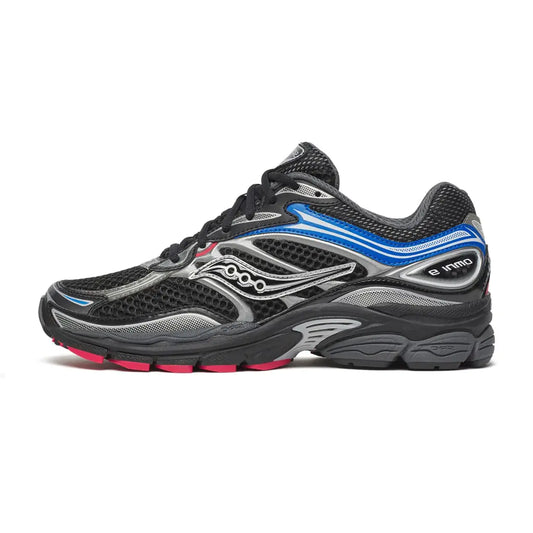
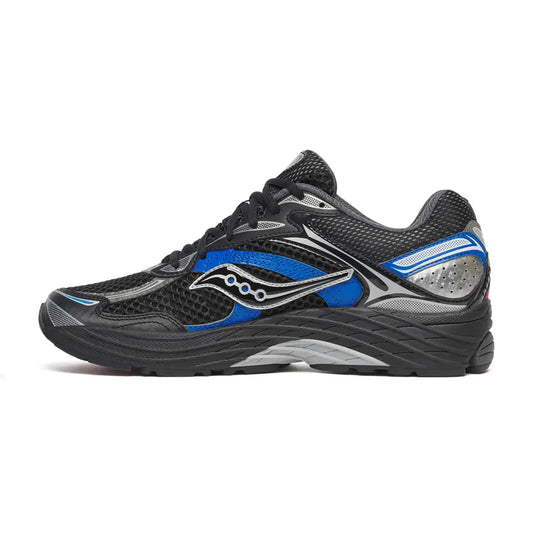
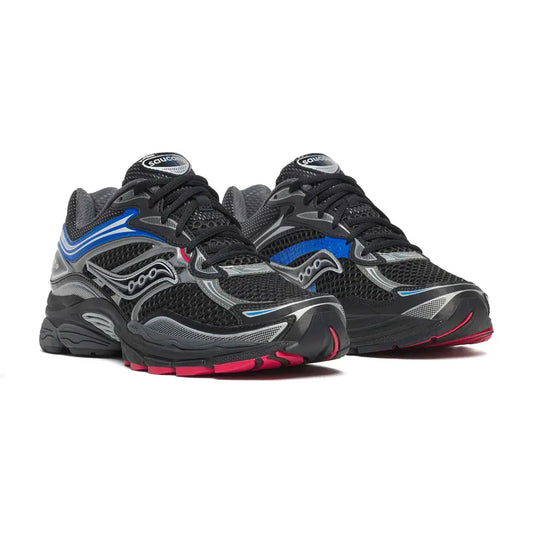
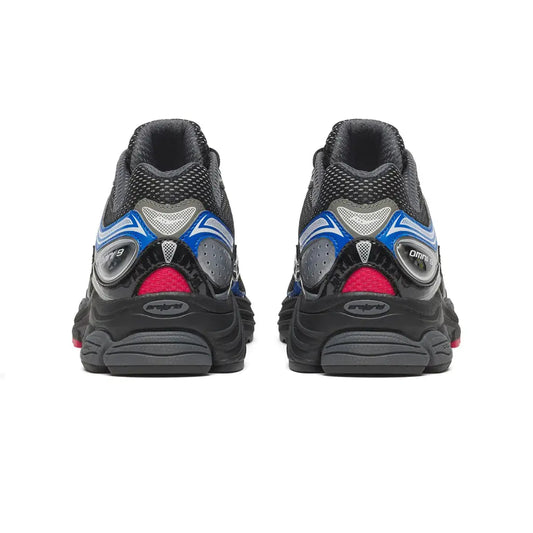
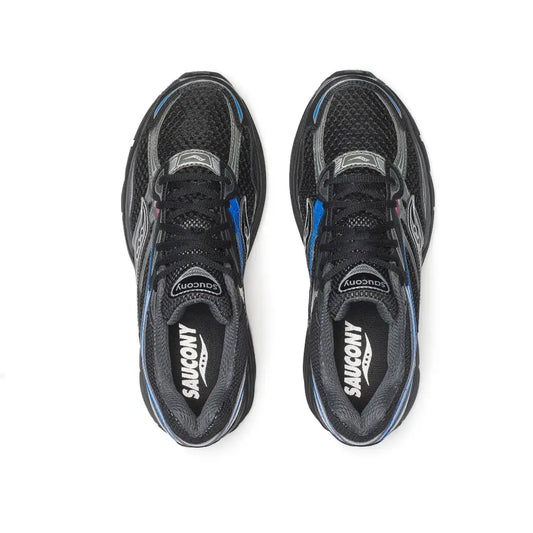
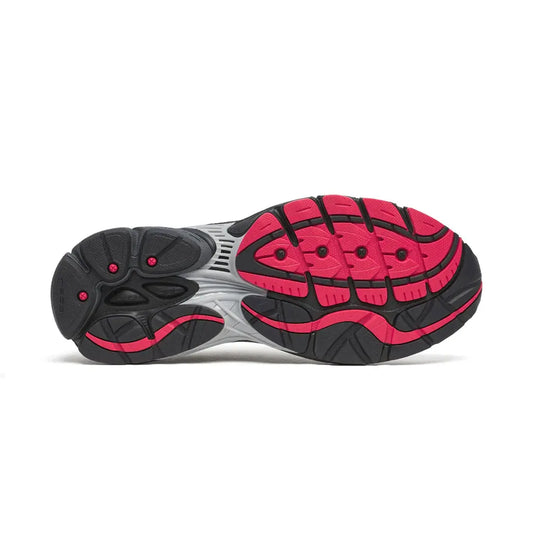
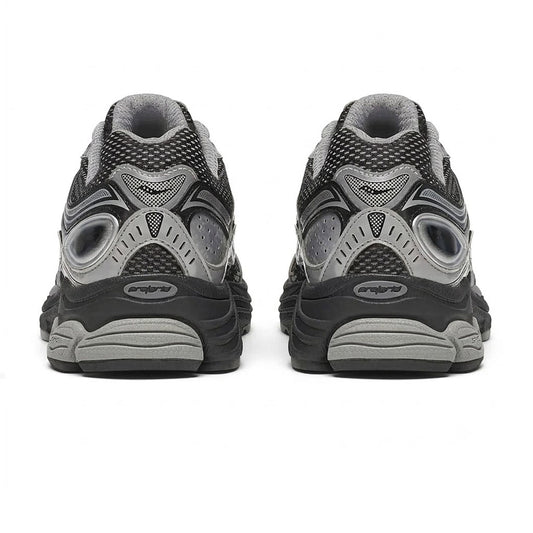
How Does the Saucony ProGrid Omni 9 Fit?
The ProGrid Omni 9 is a lifestyle-oriented model, so its fit should be considered in the context of everyday wear rather than compared directly with a technical running shoe.
Real-world feedback is mixed. Some buyers describe the Omni 9 as true to size and comfortable for all-day wear, while others report that it feels around half a size small and prefer going up. There are also reports that different Omni 9 variations can feel different in comfort and fit.
If you're buying the Omni 9 online, your existing Saucony size can provide a starting point, but your foot measurement and the specific variation you're buying are more useful than assuming every Omni 9 will feel identical. If you're considering the Saucony ProGrid Omni 9 Silver Gold, checking the specific colourway and available sizing before ordering can also help you make a more informed choice.
How Does the Saucony Ride Millennium Fit?
The Ride Millennium has a substantial retro-running aesthetic and an everyday lifestyle positioning.
Its fit also shows why user experience should be treated as context rather than a universal sizing rule. Zappos' current customer survey includes buyers who felt the model was a full size smaller, while individual reviews also describe a roomy toe box and enough space for wider feet.
When choosing your size, focus on how much room you need around the forefoot and whether your heel stays secure. A roomier feel is not necessarily the same thing as needing a larger size.
How Do Saucony Shadow Trainers Fit?
The Shadow family is another example of why lifestyle sizing should be considered model by model.
Whether you're looking at a Shadow 5000 or Shadow 6000, the aim is the same: enough room around the toes, a comfortable midfoot and a secure heel without excessive movement.
If you're comparing the Shadow with another retro trainer you already own, use that pair to understand your preferred fit, but check the Saucony model itself before transferring the size. The useful question is not whether the Shadow is universally "true to size", but whether your chosen size gives you the right balance of space and security.
Saucony Lifestyle vs Performance Sizing
This distinction matters when choosing Saucony online.
Lifestyle trainers are designed around everyday walking and casual wear. Performance running shoes need to accommodate repeated movement and changes in foot volume during activity.
Saucony's current product guidance recommends selecting up to a size above your usual lifestyle shoe size for performance footwear. This is a brand sizing recommendation rather than a rule that every runner should automatically size up.
That distinction matters because your everyday trainer size should not be treated as an absolute reference when buying a performance model. Think about the purpose of the shoe, the amount of room you need and the specific product guidance as well as the number on the box.
Should You Size Up or Down in Saucony Trainers?
Neither should be an automatic decision.
If your usual size gives you enough toe room and a secure heel, there is no reason to change it simply because you're buying Saucony.
Sizing up can make sense when your foot measurement, model or intended use calls for additional room. But using a larger size to solve a width problem can leave too much space in front or make the heel loose.
Sizing down has the opposite risk: a trainer can initially feel secure while creating pressure around the toes or forefoot.
The goal is not the biggest or smallest possible size. It is enough room without losing control of the foot.
Saucony vs Nike, adidas, New Balance and ASICS Sizing
Your existing trainer size is useful information, but there is no universal one-to-one conversion between brands.
If you already own Nike or adidas trainers that fit well, use them as a reference for the amount of room and support you prefer, then check Saucony's own sizing information.
New Balance is particularly useful to compare from a width perspective. If you normally choose a wider New Balance fit, pay attention to width when moving to Saucony rather than assuming that changing the length will solve the problem.
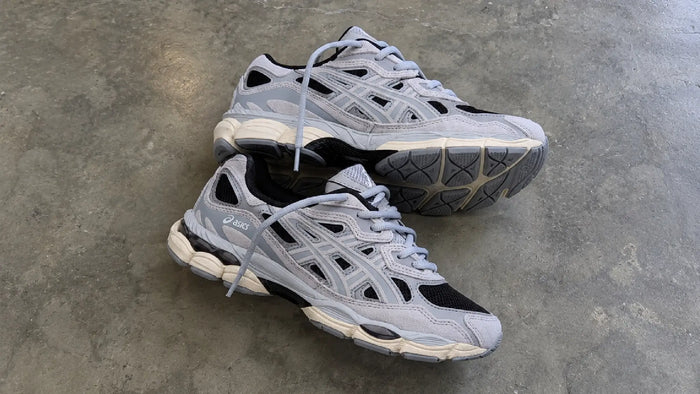
The same applies to ASICS. Both brands have strong running ranges, but their sizing and construction are not interchangeable simply because they serve similar categories. If your ASICS fit well, think about why: toe-box space, heel hold, width and overall feel.
The useful comparison is therefore not simply "Is my Nike, adidas, New Balance or ASICS size the same as Saucony?" It is what does my current fit tell me about the space and support I need?
What If You're Between Two Saucony Sizes?
Measure both feet first and use the longer measurement as your reference.
Then consider the type of trainer. A performance running shoe may require more room than a lifestyle trainer, while a loose heel can indicate that simply moving up is not the right solution.
If the problem is width rather than length, look at available width options before increasing the size.
Being between sizes is therefore not simply a question of choosing the larger number. It is a question of where your foot needs the additional space.
Five Common Saucony Sizing Mistakes
Relying only on your usual size. Your usual Saucony size is a useful starting point, but it should not be treated as a guarantee across every model. Buyer feedback shows noticeable variation between different Saucony trainers, with some wearers reporting that one model feels shorter or tighter than another in the same labelled size. Recent discussions around the ProGrid Omni 9, for example, include buyers who stayed true to size and others who found it noticeably tight and preferred going up half a size.
Automatically sizing up. A tighter fit does not automatically mean you need a larger size. Adding length can solve a short toe box, but it can also leave unnecessary space around the heel or create more foot movement. Ride Millennium feedback illustrates why there is no simple rule: some buyers report a smaller-feeling fit, while others describe a roomy toe box.
Using length to solve a width problem. If your toes or forefoot feel compressed from the sides, simply going up in length may not give you the fit you actually need. Width, toe-box shape and the volume of the upper can all affect comfort. If a standard fit feels tight laterally, check whether the model is available in a wider width before increasing the length.
Ignoring the difference between lifestyle and performance trainers. A lifestyle trainer and a running shoe can require different amounts of space because they are designed around different uses. Saucony's current guidance explicitly allows for a larger size when moving into performance footwear, so treating a lifestyle size as an absolute reference can be misleading.
Comparing labels instead of measurements. UK, US and EU sizes are useful for navigating a purchase, but they are not always enough when comparing different brands or even different Saucony categories. Saucony itself publishes separate men's, women's and unisex sizing information, while users can also experience different fits between brands. Measuring your foot in centimetres and then checking the specific model's sizing information gives you a more consistent reference than assuming that the number on another brand's box will translate perfectly.
How to Choose Your Saucony Size Online
Choosing your Saucony size online becomes much easier when you treat it as a short decision process rather than a simple conversion.
Start with your usual size and check the current Saucony chart for the specific product. If you're uncertain, measure both feet while standing and use the longer measurement. Then consider whether you're buying a lifestyle trainer or a performance shoe and whether you normally need additional width.
From there, look at the model itself. A ProGrid Omni 9, Shadow or Ride Millennium should not automatically be treated as equivalent to a technical running shoe simply because the size label is the same.
A useful checklist is:
-
Check your usual Saucony size.
-
Measure both feet if you're unsure.
-
Use the longer foot as your reference.
-
Check the current size chart for the model.
-
Identify whether the trainer is lifestyle or performance.
-
Consider width and toe-box space.
-
Check the model-specific fit.
-
Compare with a trainer you already own that fits well.
-
Avoid automatically sizing up or down.
-
Choose the size that balances room and security.
The Right Saucony Fit Is More Than a Number
The most useful thing to remember about Saucony sizing is that the number on the box is only one part of the fit.
Length matters, but so do width, toe-box shape, heel hold, upper construction and the purpose of the trainer. A pair designed for everyday wear does not have exactly the same requirements as a performance running shoe.
That is why the best way to choose Saucony trainers online is not to ask whether the brand runs big or small. Start with your usual size, check the current chart, measure your feet when necessary and then consider how the specific model is designed to fit.
Once you approach sizing this way, choosing Saucony online becomes much less about guessing and much more about understanding what your foot actually needs.
What to Know Before Buying Saucony Trainers
Choosing the right Saucony size is about more than converting a UK size into EU or US sizing. The model, intended use, width and the way you like your trainers to fit can all influence the final choice.
Do Saucony trainers fit true to size?
Your usual size is a sensible starting point, but different Saucony models can feel different depending on their construction and intended use. Real-world reviews show both true-to-size experiences and cases where buyers preferred a different size, so check the current chart and model information if you're unsure.
Should I size up in Saucony trainers?
Not automatically. Consider sizing up when your foot measurement, the model or intended use indicates that you need additional room. Saucony's current guidance recommends selecting up to a size above your usual lifestyle shoe size for performance footwear.
Are Saucony trainers good for wide feet?
Some Saucony models are available in wider widths. If a standard fit feels tight around your forefoot, look for an appropriate width rather than simply adding length. A larger size can create unnecessary space in front without solving the underlying width issue.
Is Saucony sizing the same as Nike, New Balance or ASICS?
There is no universal one-to-one conversion between brands. Your existing size can be a useful reference, but your foot measurement and the specific Saucony model are more reliable when choosing a new pair.
What should I do if I'm between two Saucony sizes?
Measure both feet, use the longer measurement and consider the type of trainer you're buying. If the issue is width rather than length, check for a wider option before automatically choosing a larger size.