How Saucony Became One of the Most Respected Trainer Brands
Some trainer brands become famous by being impossible to ignore. Saucony took a different route.
For more than a century, the brand has built its identity around running, performance and technical footwear. Long before retro runners became fashion objects, metallic mesh returned to everyday wardrobes or archive silhouettes were rediscovered by a new generation, Saucony was already creating the kind of footwear those trends would eventually reference.
That history matters because Saucony's relevance today is not the story of a running brand suddenly becoming fashionable. It is the story of fashion rediscovering a running archive that was already there.
From the Jazz and Shadow to Grid and ProGrid, Saucony's history explains how a performance footwear company became part of contemporary trainer culture.
Saucony Began With More Than a Century of Running History
Saucony's story begins in 1898 in Pennsylvania, making it considerably older than the modern trainer culture we know today.
Even the name connects the company to its origins. Saucony takes its name from Saucony Creek, near where the company began, while the brand's distinctive three-dot identity references the creek and the boulders around which its water flowed.
Saucony did not begin as a fashion company that later borrowed credibility from sport. Movement was part of the brand from the beginning.
Over the decades, that relationship developed around running and athletic footwear, creating the functional history that would eventually make its archive so interesting.
Running Came Before the Saucony Lifestyle
Before archive footwear, retro-tech styling and collaborations, there was running.
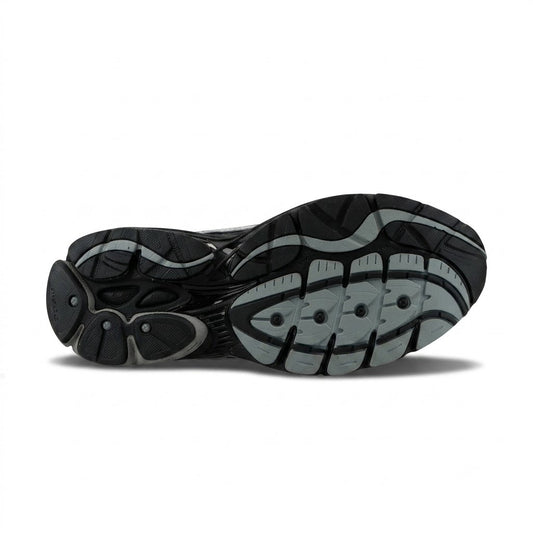
Saucony developed trainers around the changing needs of runners, and that functional history gradually created many of the characteristics that now make its archive distinctive. Mesh provided breathability, overlays added structure, cushioning addressed impact and technical soles supported movement.
None of these details originally existed because they looked fashionable. They existed because the footwear needed to perform.
That gives Saucony's later lifestyle identity an important layer of authenticity. The aesthetic came from function before it became style.
As running technology moved forward, however, older performance footwear began to change meaning.
When Performance Design Became Part of the Archive
Technical products have an unusual relationship with time. Technology advances, materials change and performance standards move on. A design that once represented modern running can eventually look dated.
Then, sometimes, enough time passes for that same design to become interesting again. Its proportions become distinctive, its materials communicate a particular era and its technical details become visually appealing.
This is what happened to many running silhouettes.
The technology becomes the archive. The archive becomes the aesthetic.
Saucony was particularly well positioned for that shift because its history offered several generations of running design rather than a single nostalgic silhouette.
The Saucony Jazz Became a Lifestyle Icon
One of the clearest examples is the Saucony Jazz.
Introduced in 1981, the Jazz emerged from Saucony's running heritage before developing a much longer life as a lifestyle silhouette. Its appeal today comes from its proportions, layered construction and connection to a particular period in running footwear.
That gives it something a newly designed vintage-inspired trainer cannot completely reproduce.
It actually comes from the history being referenced.
For someone discovering Saucony through lifestyle footwear, the Jazz offers one of the clearest entry points into the brand's archive and shows how a running design can move beyond its original purpose without losing its identity.
Saucony's Shadow Models Show How Running Design Evolved
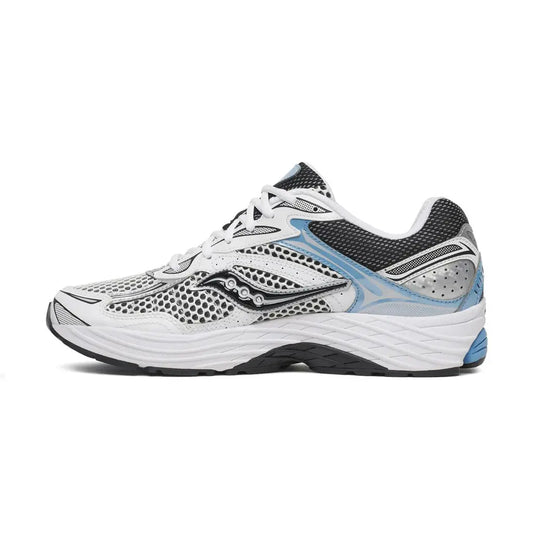
The Shadow Original, introduced in 1985, took the story further. The Shadow 5000 followed in 1989, and the Shadow 6000 arrived in 1991.
Viewed together, these models show how running footwear evolved through changing proportions, layered construction, more substantial midsoles and increasingly visible technical details.
That makes the Shadow family more than a collection of retro trainers. It is evidence of how footwear design understood movement at different points in Saucony's history.
Grid Turned Running Technology Into Part of the Saucony Look
The next stage of Saucony's history becomes increasingly technical with the Grid era.
Grid models introduced another generation of running design, with more complex structures and increasingly visible performance cues. For runners, those elements had a functional purpose. Decades later, they also communicate something different to the lifestyle buyer: technical authenticity.
That distinction matters within the current retro-running revival.
A contemporary trainer can be designed to look Y2K. An archive model can come from the technological language of that period in the first place.
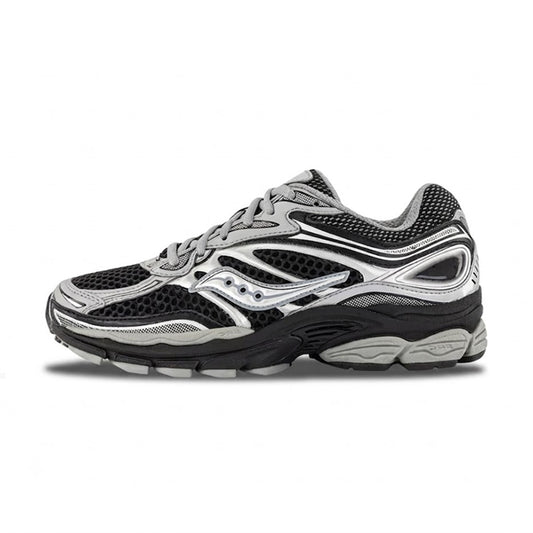
ProGrid Connected Saucony's Archive With Y2K Running
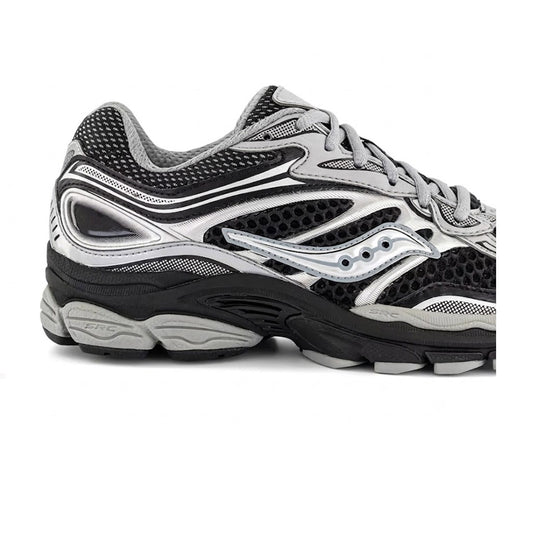
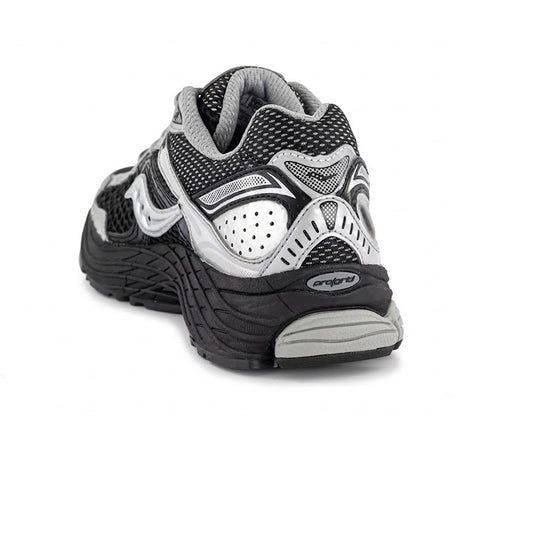
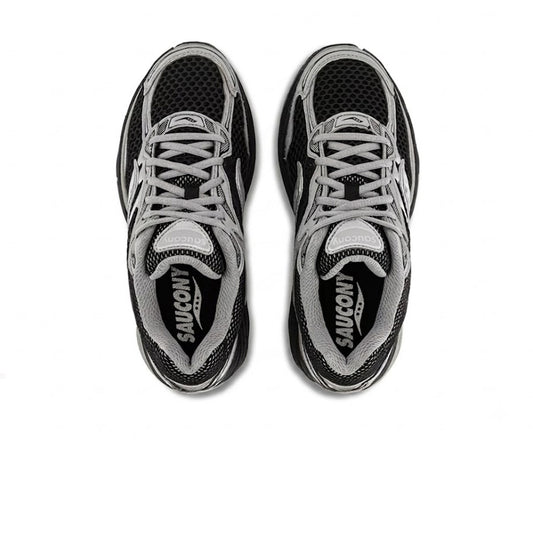
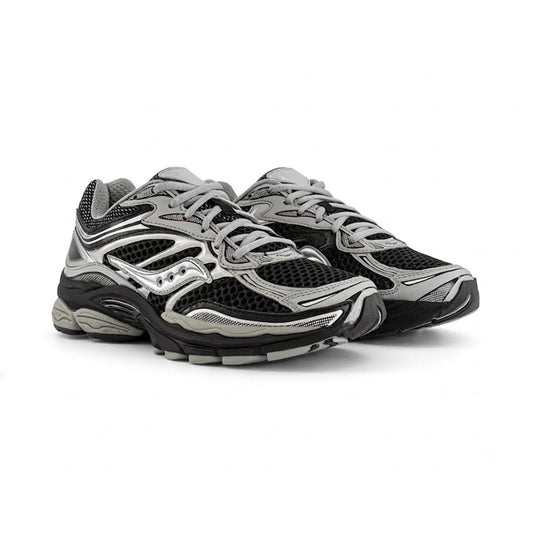
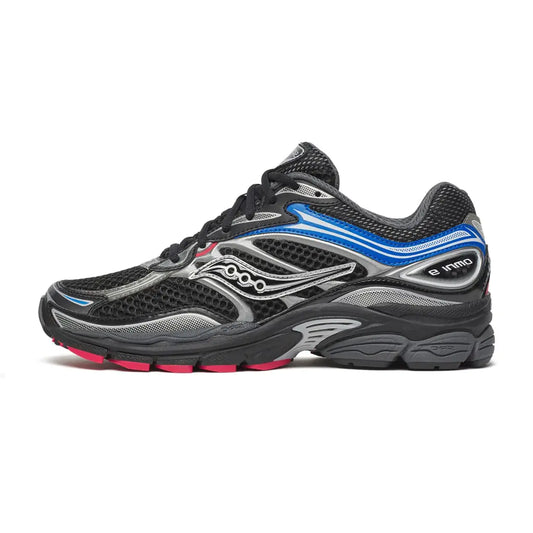
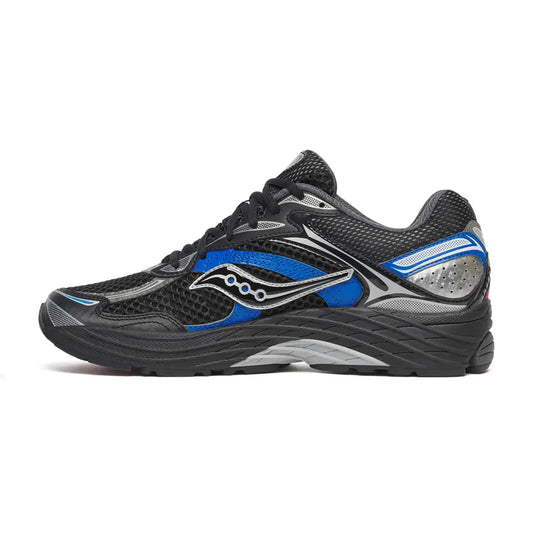
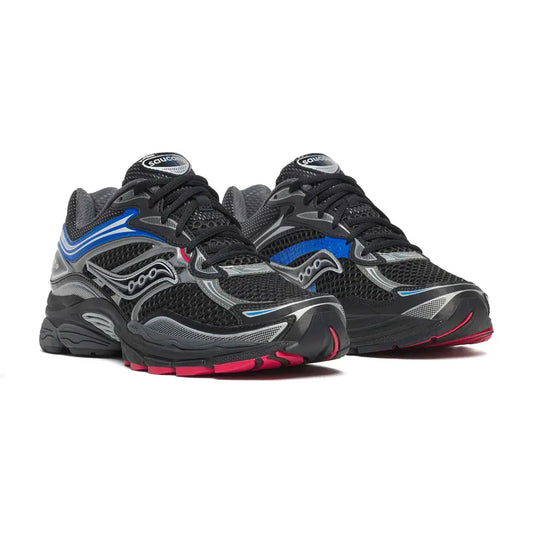
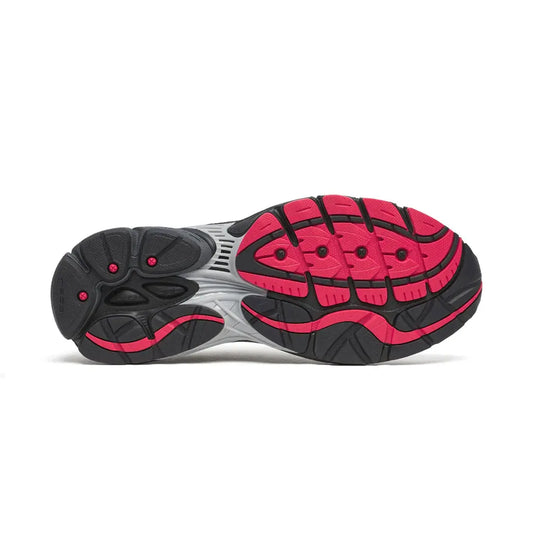
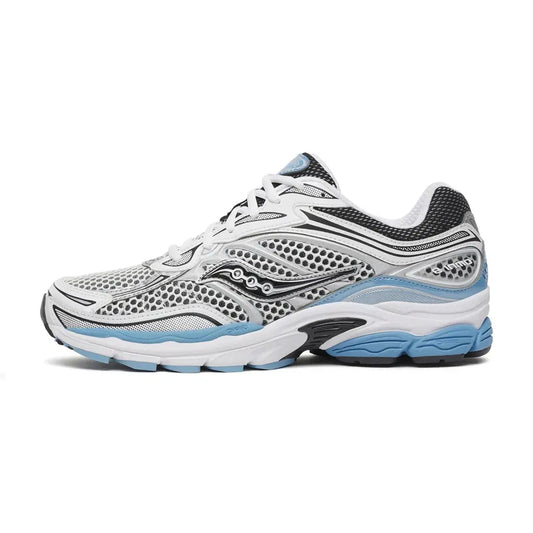
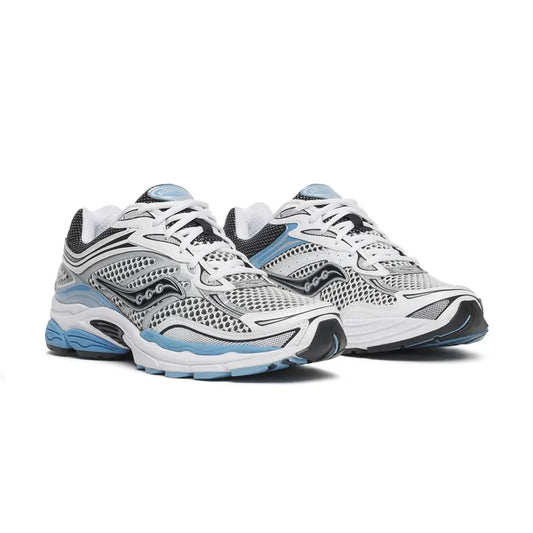
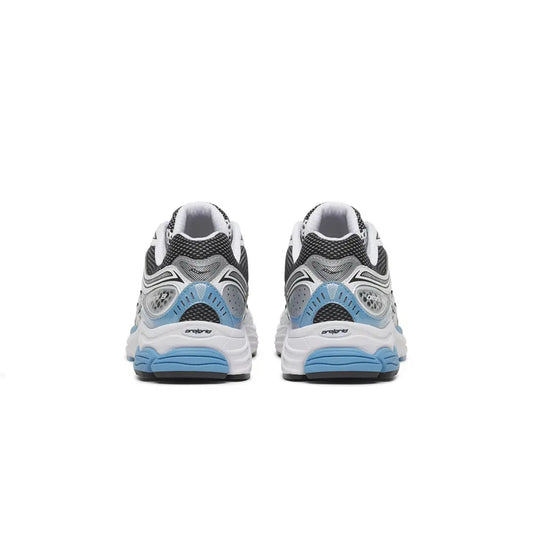
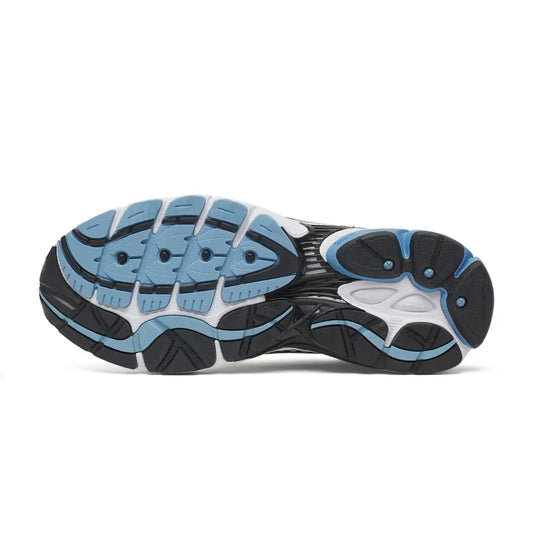
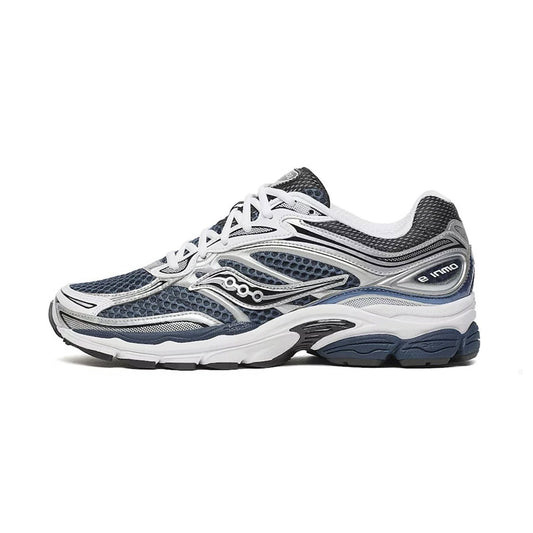
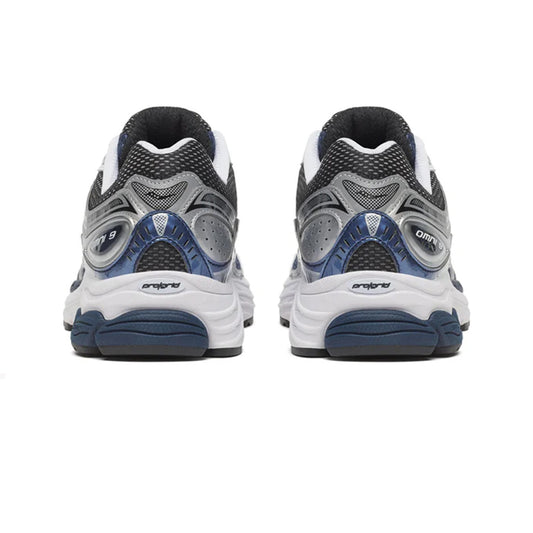
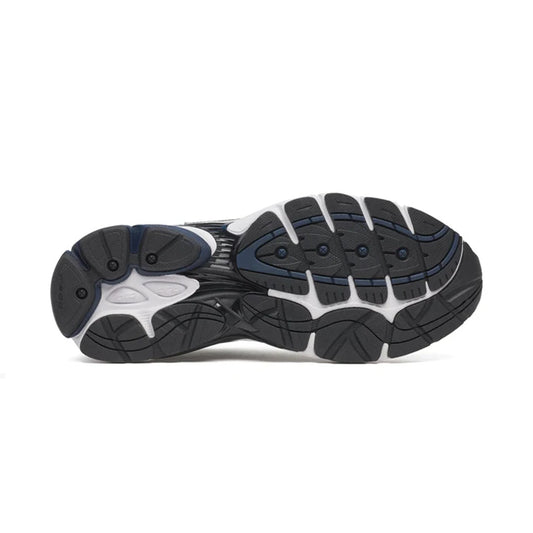
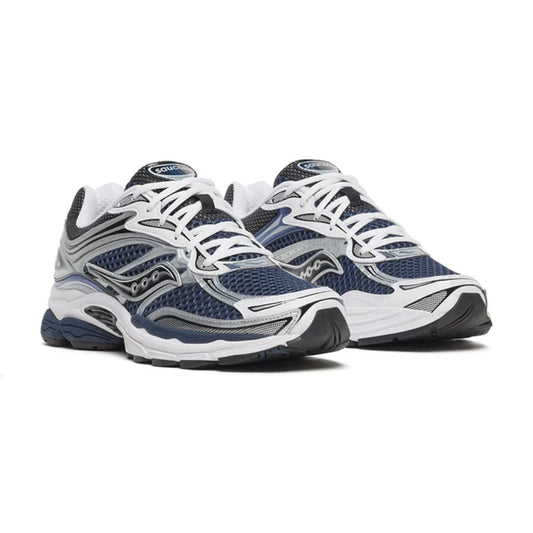
The ProGrid era represents another important chapter. Running footwear around the late 1990s and early 2000s developed a visual language built around open mesh, metallic details, layered synthetic overlays, visible technical structures and increasingly sculpted sole units.
At the time, these elements communicated modern performance. Today, they also communicate retro-tech style.
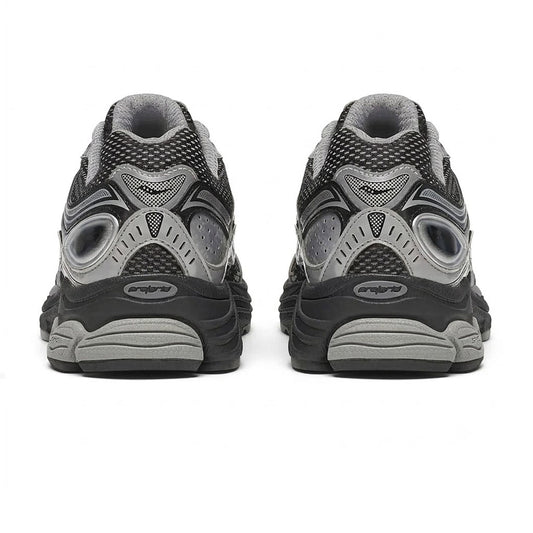
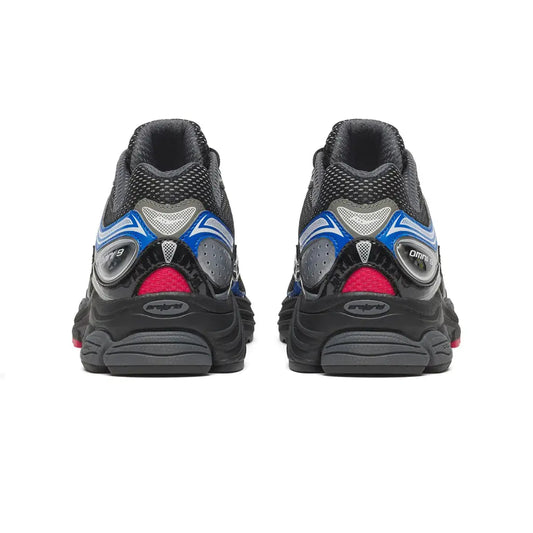
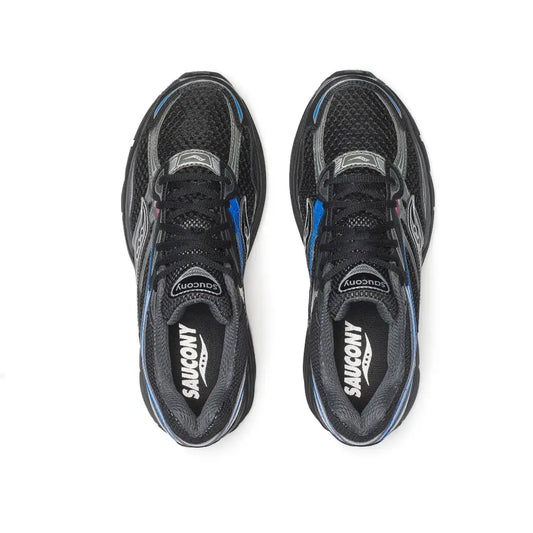
That helps explain why models such as the ProGrid Omni 9 fit so naturally into contemporary trainer culture. The design does not need to imitate early-2000s running footwear because it belongs to that lineage.
The current interest in technical runners did not create Saucony's visual language. It made an existing part of that language easier for a new audience to appreciate.
Saucony Did Not Need to Invent the Retro-Running Trend
This is perhaps the most important part of the story.
Retro-running did not turn Saucony into a heritage running brand. Saucony already had the heritage.
What changed was the way a new generation looked at it. As fashion moved towards technical runners, mesh-heavy uppers, metallic colourways, Y2K references, complex soles and performance-inspired proportions, brands with authentic running archives became increasingly relevant.
Saucony's history suddenly made sense within that aesthetic.
The trend did not create the archive. It rediscovered it.
Saucony Originals Kept the Archive Moving
An archive only remains culturally relevant if people can interact with it.
That is where Saucony Originals becomes important. The brand has continued to revisit archive models through new colourways, materials, reissues and contemporary interpretations, allowing different generations of buyers to encounter the same history from different directions.
Someone might discover Saucony through running. Another buyer might find it through ProGrid, while the current range of ProGrid styles shows how that archive continues to evolve.
The reasons for arriving are different, but they lead back towards the same thing: a deep running archive that continues to evolve.
Saucony Never Stopped Being a Performance Brand
The renewed interest in Saucony's archive would mean considerably less if the company had stopped developing performance footwear.
It did not.
Saucony continues to operate as a modern running brand, with performance families such as Ride, Triumph, Guide and Endorphin serving different needs.
This gives the company an unusual dual identity. A runner can know Saucony for modern performance footwear, while a trainer enthusiast can discover the brand through Shadow, Grid or ProGrid.
Performance keeps Saucony moving forward. The archive gives it somewhere to look back to.
Why Saucony Feels Different From a Fashion-First Trainer Brand
Saucony arrives at lifestyle footwear from a different direction.
Its archive contains trainers whose shapes were influenced by running, movement, materials, support and cushioning. As a result, many of the details consumers appreciate today were originally there for reasons beyond appearance.
A mesh panel had a purpose. An overlay had a purpose. A sole unit had a purpose. The proportions reflected a particular approach to running footwear.
Today, those functional choices can be appreciated aesthetically.
The story exists inside the design.
That is also why Saucony feels different from a fashion-first trainer brand: the history is not something added afterwards. It is built into the products themselves.
From ASICS and New Balance to Saucony
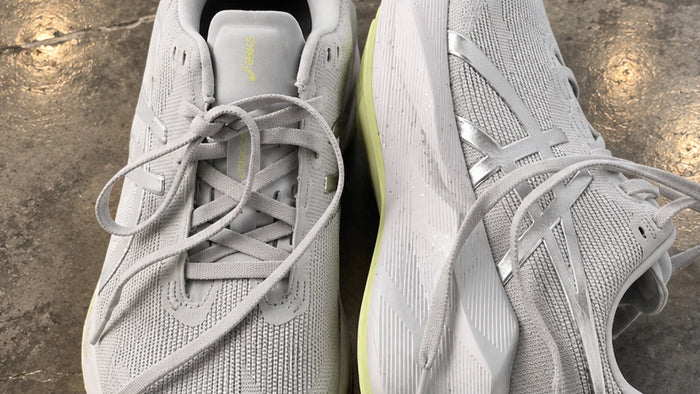
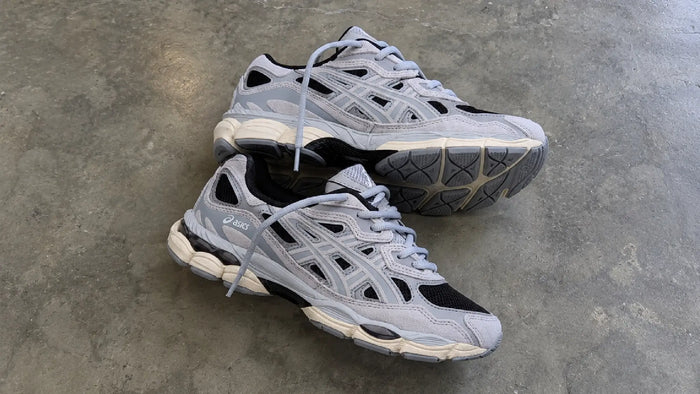
Many buyers discover retro-running through brands such as ASICS and New Balance, and From ASICS and New Balance to Saucony, the appeal of technical running archives becomes easier to understand.
This is where Saucony becomes particularly interesting.
Someone who understands the appeal of a New Balance 1906R or ASICS GEL-Kayano 14 is already familiar with the combination of mesh, technical overlays, running-derived proportions and visible structure that also appears in models such as the ProGrid.
But Saucony is not simply another version of those brands. It has its own archive and its own history, from the Jazz and Shadow to Grid and ProGrid.
When Saucony Became Interesting to Collectors
A deep archive naturally creates possibilities for collecting. This helps explain when Saucony became interesting to collectors, as different generations, materials, technologies, collaborations, colourways, reissues and releases create different points of interest.
The distinction might come from construction, release period, colour blocking, collaborator or technology.
At that point, the trainer becomes more than a product.
It becomes part of an archive that people can participate in.
That is one reason Saucony can appeal to collectors without relying on a single iconic release. The interest comes from the depth of the catalogue and the connections between its different generations.
Saucony Built Its Reputation Through More Than One Identity
Trying to reduce Saucony to one category misses what makes the brand interesting.
It is a running company and a performance brand, but it is also an archive footwear brand, a reference point within retro-running and an increasingly visible participant in contemporary trainer culture.
Those identities reinforce one another.
The modern performance business shows that Saucony has not abandoned the category that created it. The archive gives the brand historical depth. Originals allow new consumers to access that history, while contemporary styling gives old performance ideas a new context.
The result is a connection between performance, heritage and lifestyle rather than a choice between them.
Why Saucony Has Earned Respect Without Being the Loudest Brand
Saucony's story is less about one viral silhouette or one moment of cultural attention and more about accumulation: running history, technical development, recognisable models, a substantial archive and continued relevance within performance footwear.
That history also explains why older designs can become interesting again without needing to be completely reinvented.
The brand has spent decades building the material that contemporary trainer culture is now rediscovering.
Saucony Today Is Part of Contemporary Trainer Culture
The interesting thing about Saucony today is that different people can see something different in the same brand.
For runners, it remains a performance footwear company. For trainer enthusiasts, it offers a deep archive of silhouettes and technologies. For fashion consumers, it provides access to retro-running and technical aesthetics with genuine performance history behind them. For collectors, Saucony today is part of contemporary trainer culture.
That flexibility is part of what has allowed the brand's history to remain relevant.
Why Saucony Matters Now
Saucony's current relevance is not simply that an old running brand has become fashionable.
It is that the definition of a desirable trainer changed in a direction that made Saucony's history newly visible.
Technical construction became aesthetic. Running proportions became lifestyle. Mesh became fashionable. Metallic finishes returned. Y2K performance design became desirable again.
Saucony was ready because the history already existed.
More Than 100 Years Later, the Saucony Archive Still Moves
Saucony's story begins with running, but it does not end there.
Performance created technologies. Technologies shaped trainers. Those trainers created an archive. That archive gave a new generation something to rediscover, reinterpret and wear in completely different contexts.
That is why the Jazz, Shadow, Grid and ProGrid are more interesting when viewed together. They are not disconnected retro trainers pulled from different decades. They are chapters in the same story.
A story that began in running, evolved through performance, developed a deep archive and eventually became part of contemporary trainer culture.
Saucony did not need to invent a retro-running identity.
It needed people to notice the one it already had.