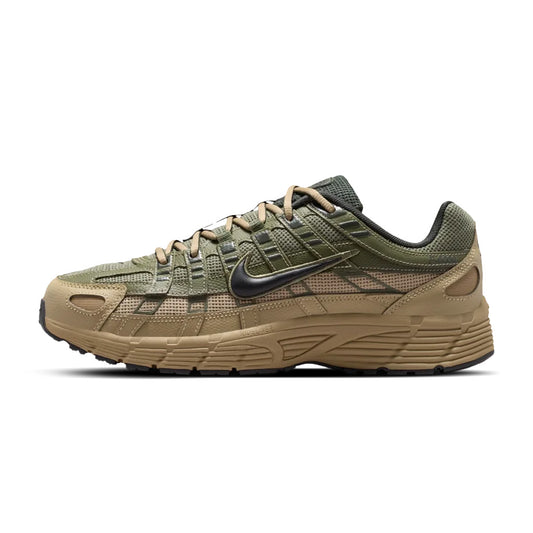
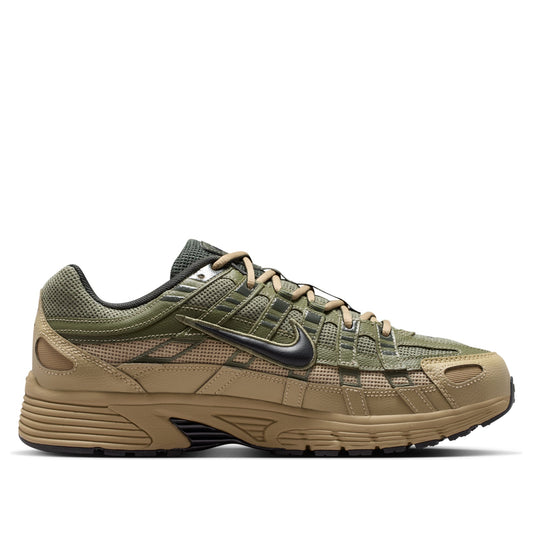
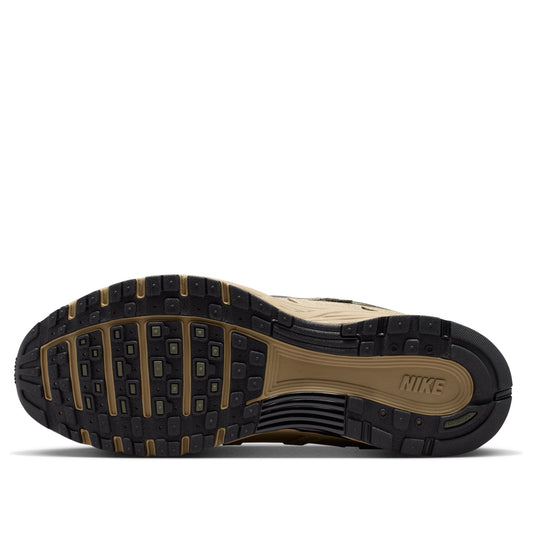
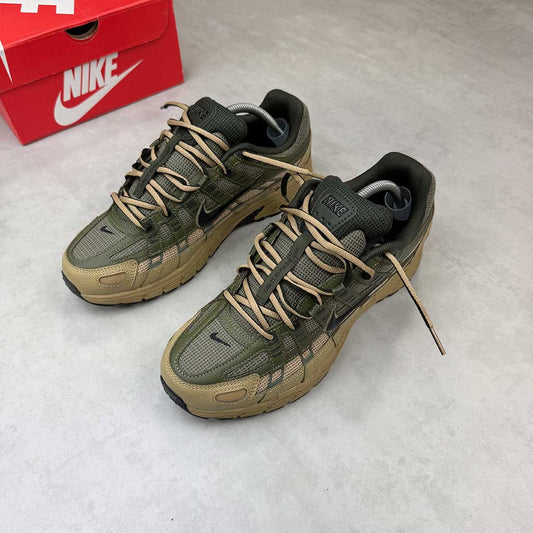
Best Sneakers for Everyday Wear
The best sneakers for everyday wear are not necessarily the most technical, the most expensive or the most hyped. For daily use, what matters is how well a sneaker fits into the way you actually spend your time. A pair that feels comfortable during a morning commute, works with different outfits and remains practical when you are walking around the city can offer far more value than a sneaker chosen purely because it is currently trending.
Everyday sneakers need to balance comfort, practicality and versatility. Fit and cushioning become important over longer days, while weight and flexibility influence how they feel when walking. If the same pair needs to work across commuting, travel and casual outfits, its shape, colour and overall styling matter just as much.
Rather than looking for one universal winner, it makes more sense to consider what you actually need from an everyday sneaker. Some models are better suited to walking and long days on your feet, while others stand out for their styling potential, lightweight feel or distinctive retro character. The best option depends on how you plan to use the sneaker.
What Makes a Good Everyday Sneaker?
A good everyday sneaker should be comfortable enough for regular wear without being limited to one particular situation. This means looking beyond the initial impression when you first put a pair on and considering how it performs after several hours of walking, commuting or simply being out of the house.
Cushioning matters, but more cushioning does not automatically make a sneaker better for everyday wear. The weight of the shoe, flexibility, support and the way the foot sits inside the upper can all influence comfort. A well-balanced sneaker can feel more practical for daily use than a heavily cushioned model that is less versatile or less natural to walk in.
Fit is equally important. The shape of the toe box, heel hold and overall construction can change how a sneaker feels even when the nominal size is the same. For an everyday pair, the ideal fit should provide enough room to remain comfortable while keeping the foot secure when walking.
Comfort for All-Day Wear
For many buyers, comfort is the main reason for looking for the best everyday sneakers. A pair worn for several hours needs to maintain that feeling beyond the first few minutes. This is particularly relevant if your daily routine involves commuting, walking between appointments, spending time on your feet or moving around a city.
Lightweight construction can make a noticeable difference, especially when the sneaker is worn frequently. Cushioning can help absorb some of the impact from walking, while a flexible sole can make the shoe feel more natural as the foot moves. Breathability may also matter for people who wear the same pair for long periods or in warmer conditions.
Someone who walks several miles a day may prioritise cushioning and support, while another person may prefer a lighter, more flexible sneaker that feels less substantial on the foot.
Everyday Sneakers for Walking and City Life
Walking is one of the most common reasons people look for an everyday sneaker. Whether it is a daily commute, a day of shopping, exploring a new city or simply spending more time outside, a sneaker that remains comfortable while moving around can become one of the most useful pairs in a rotation.
Models with a comfortable midsole, practical weight and flexible construction can be particularly appealing for this type of use. A secure fit also becomes important because excessive movement inside the shoe can become noticeable over longer distances.
This is where lifestyle sneakers and performance-influenced designs can overlap. Some trainers originally developed with sport or running in mind can work exceptionally well as everyday footwear because their cushioning and lightweight construction translate naturally into urban use. Others are more focused on lifestyle styling and may be better suited to shorter periods of walking.
Versatility Matters
An everyday sneaker earns its place in a rotation when it can be worn in more than one situation. A versatile pair might work with jeans and a T-shirt, relaxed trousers, shorts or a more polished casual outfit without looking out of place.
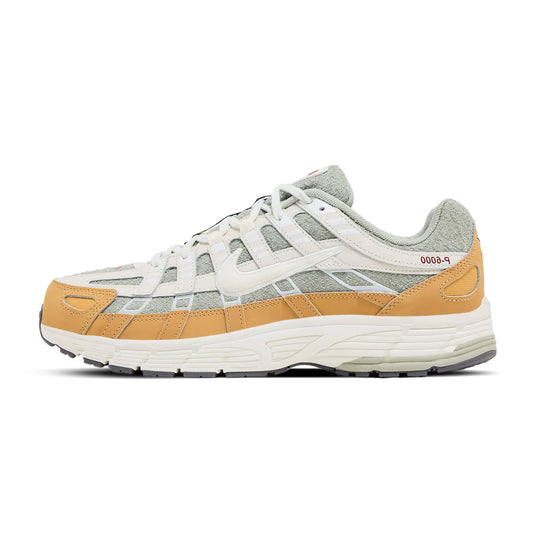
Colour can make the difference between a sneaker that works with most of your wardrobe and one that feels more limited. Neutral shades such as white, black, grey or understated combinations can be easier to integrate into a wider wardrobe, although a more distinctive colourway can also work if it complements the way you normally dress.
The silhouette has a similar effect. Some sneakers have a clean profile that makes them easy to wear across different settings, while chunkier or more technical designs create a stronger visual statement. Neither approach is necessarily better. The important question is whether the sneaker fits naturally into the clothes and situations you already have.
For buyers trying to reduce the number of pairs they own, versatility can be one of the most valuable characteristics. Something that works for weekday commuting and weekend plans will usually offer more practical value than a model reserved for one particular outfit.
Style Beyond a Trend
The fact that a sneaker is designed for everyday wear does not mean style should be secondary. Sneakers have become an important part of modern casual dressing, and many buyers want a pair that provides both comfort and a recognisable aesthetic.
Retro runners, classic basketball silhouettes, modern performance-inspired trainers and minimalist sneakers can all work as everyday footwear. The best option depends largely on the rest of your wardrobe.
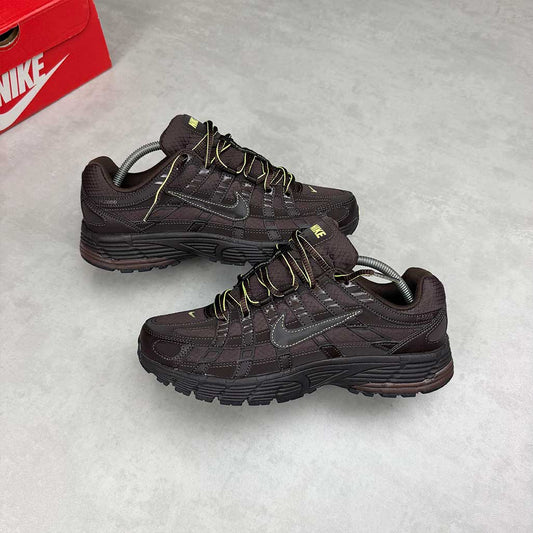
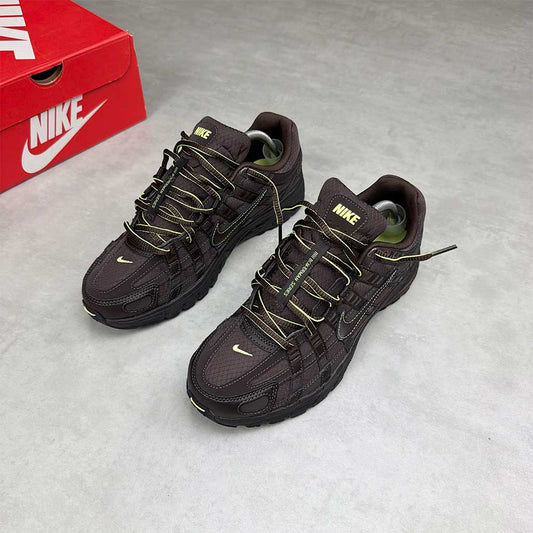
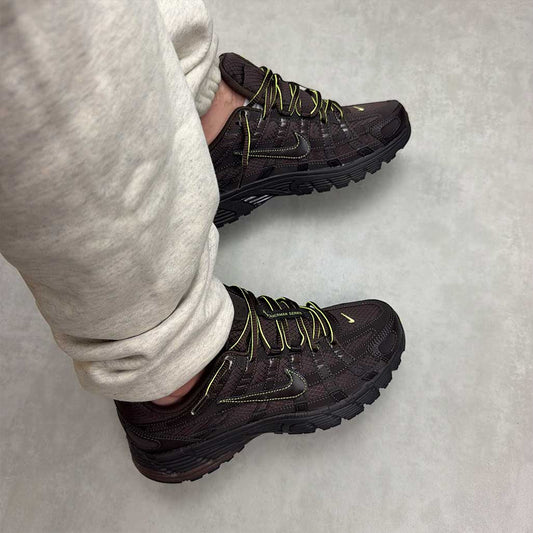
A retro-inspired sneaker can add character to simple outfits, while a cleaner silhouette may be easier to combine with different trousers and layers. More technical-looking trainers can create a contemporary streetwear aesthetic, particularly when paired with relaxed or oversized clothing.
The key is to think about longevity rather than choosing a model purely for its current popularity. A sneaker that already fits your wardrobe and personal style is more likely to remain useful long after the original trend has faded.
Getting the Right Fit
Even a well-designed sneaker can become a poor everyday choice if the fit is wrong. This is particularly important when buying online, where it is worth checking the sizing guidance and considering how a particular silhouette is known to fit.
Pay attention to the shape of the sneaker as well as the listed size. Some models have a narrower construction, while others provide more room through the forefoot. Heel support and the way the upper holds the foot can also change how the sneaker feels.
If you intend to wear a sneaker for several hours at a time, a slightly different fit preference may be appropriate compared with a pair bought primarily for appearance. Your foot can feel different after extended walking, so the goal should be a secure but comfortable fit rather than simply choosing the same size across every silhouette.
Durability for Regular Use
Buying an everyday sneaker usually means accepting that the pair will be worn more often than other shoes in the collection. That makes durability an important part of the decision.
The materials, construction and outsole all influence how a sneaker responds to frequent use. Some models are designed around lightweight materials and a soft feel, while others use more substantial construction that can provide a different balance of structure and longevity.
This does not mean that the most durable sneaker is automatically the best purchase. Durability needs to be considered alongside comfort, appearance and intended use. A sneaker that lasts well but rarely gets worn is less useful than a pair that fits your routine and becomes a regular part of your rotation.
Best Everyday Sneakers for Different Needs
Start with the reason you need the pair, then compare models around that priority.
For all-day comfort, look for a sneaker with a balanced combination of cushioning, support, weight and fit. Running-inspired trainers can be particularly interesting here because many bring performance-oriented comfort into a lifestyle setting.
For walking and commuting, cushioning, flexibility and weight become more important. Natural movement and comfort over several hours can be more useful than appearance alone when walking and commuting.
For travel, versatility becomes particularly important. A good travel sneaker should work with several outfits while remaining comfortable enough for walking and practical enough for different environments. Neutral colourways and adaptable silhouettes can make packing easier too.
If style is the priority, choose a model that reflects your existing wardrobe rather than simply choosing the most recognisable release. Retro runners, classic basketball sneakers and contemporary streetwear silhouettes can all work, depending on your personal aesthetic.
For maximum versatility, look for a silhouette and colourway that can move between different outfits and situations. This is often the strongest choice for buyers who want one pair to handle a large proportion of their everyday wear.
Choosing the Right Everyday Sneaker for Your Routine
A normal week is a better reference point than an idealised version of how you might wear the sneaker.
When most of your day involves walking around the city, comfort and cushioning should probably sit near the top of your list. For those who spend more time indoors but want one pair for commuting and weekends, versatility and styling may matter more. Frequent travellers may prefer a combination of comfort, low weight and outfit flexibility.
Your wardrobe should also influence the decision. Someone who mainly wears relaxed trousers and oversized clothing may find a chunky or technical silhouette easy to integrate, while a person who prefers straight-leg trousers and cleaner outfits may favour a more understated shape.
The better question is which sneaker solves the particular problem you have.
What to Consider Before Buying
Before buying, consider how often the sneaker will be worn, how long you normally spend on your feet and what you expect the pair to work with. Then consider how the materials, fit, cushioning and overall design work together.
No single feature determines whether a sneaker will work for everyday use. A highly cushioned model may be excellent for walking but less appealing if you prefer a minimal look. A stylish retro sneaker may work perfectly with your wardrobe but offer a different level of comfort from a modern performance-inspired trainer. What matters is finding a combination that suits your priorities.
The most useful everyday sneaker is ultimately the one that earns regular wear. Whether you need a comfortable pair for commuting, a versatile trainer for travel, a stylish option for everyday outfits or a reliable sneaker for walking around the city, matching the pair to your routine makes it easier to find a model that delivers value beyond its initial purchase.