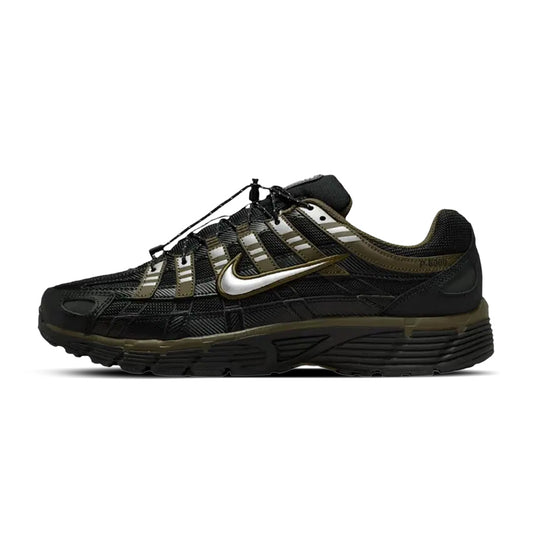
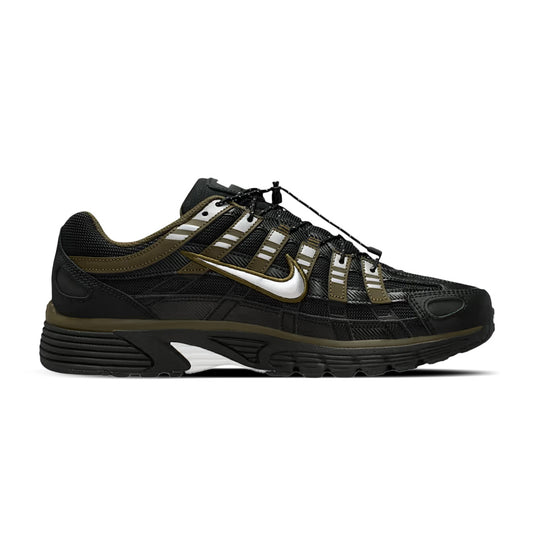
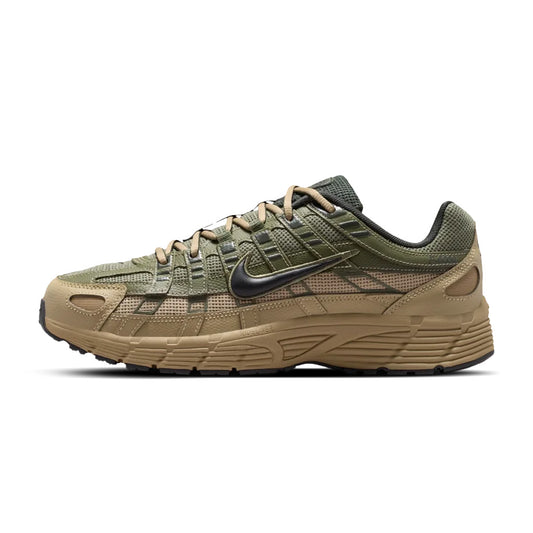
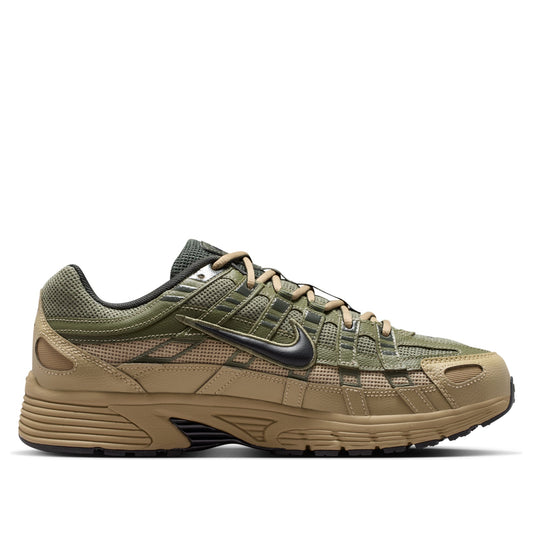
Nike P-6000: Its Style and How It Wears
Some sneakers are easy to explain. The Nike P-6000 is not quite one of them.
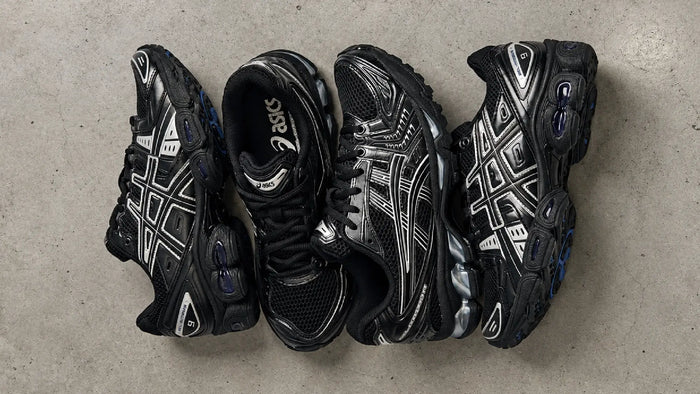
At first glance, it looks like a running shoe from another era, with its layered upper, open mesh, metallic details and unmistakable early-2000s character. Look a little closer, though, and there is more going on. The P-6000 takes many of the visual ideas that once belonged to performance running footwear and gives them a completely different role in modern sneaker culture. It is no longer a shoe designed to take you through a training session. Instead, it has become a way of bringing some of that technical character into everyday life.
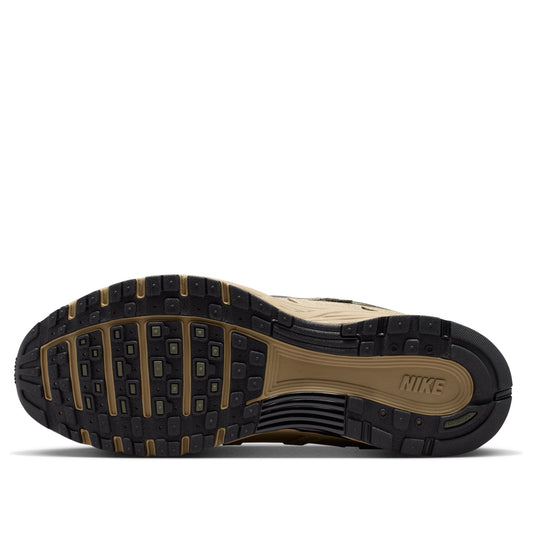
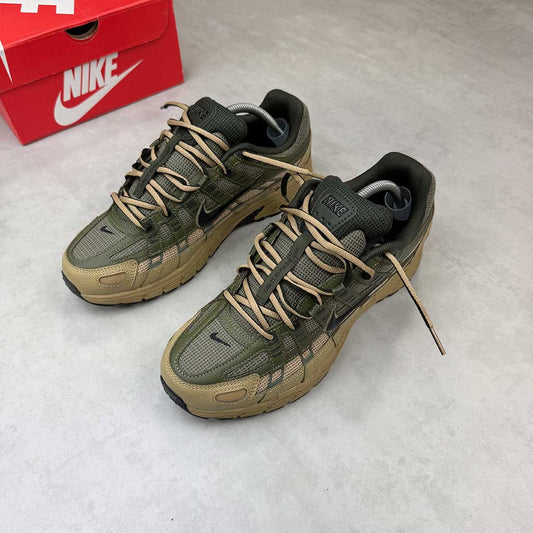
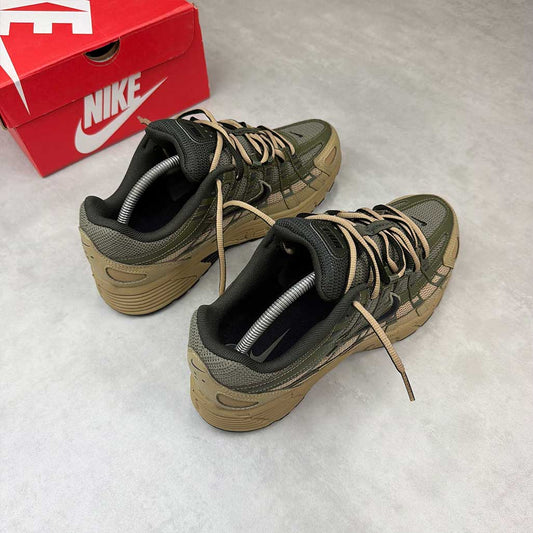
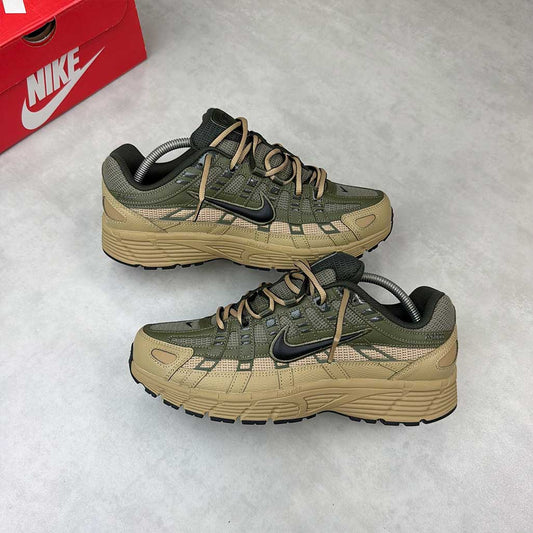
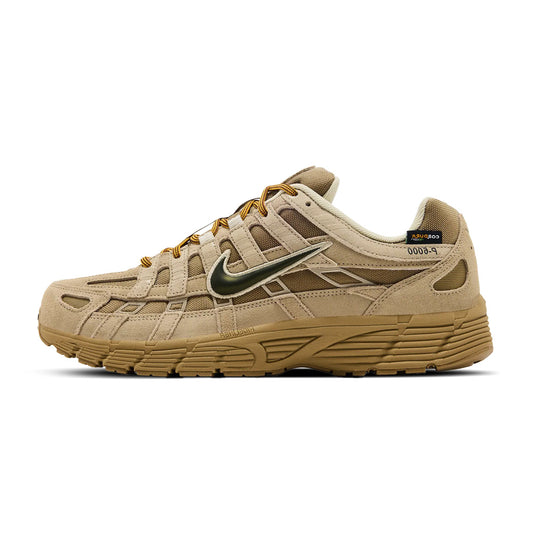
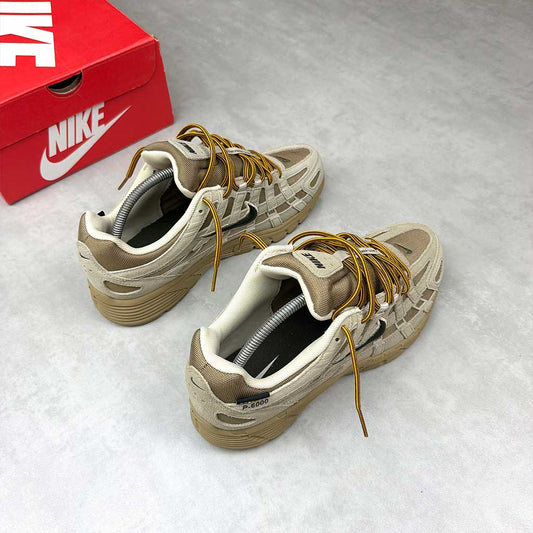
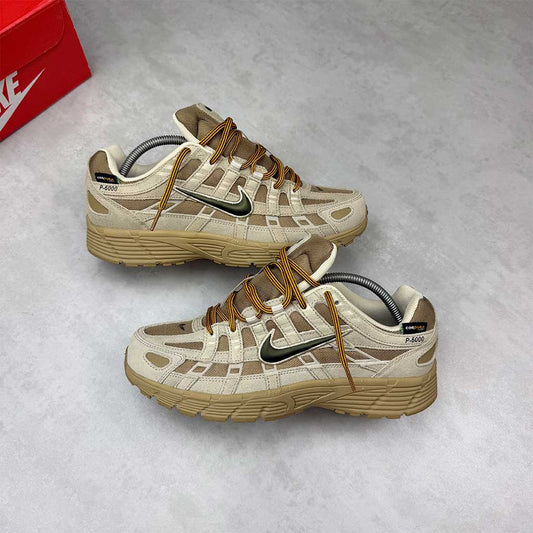
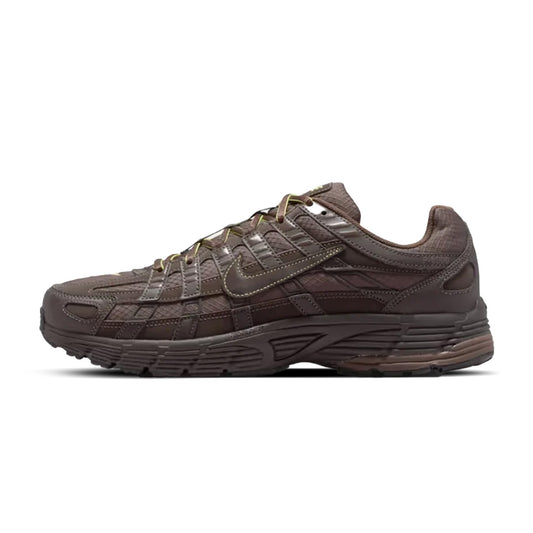
The Nike P-6000 is a lifestyle sneaker inspired by Nike's early-2000s running shoes, particularly the Pegasus 25 and Pegasus 2006. It combines a breathable mesh upper, layered synthetic overlays, metallic detailing and a cushioned sole to create a silhouette that sits between retro running footwear and contemporary everyday sneakers. Its design reflects the technical look of that era, but its role today is primarily lifestyle: a lightweight, running-inspired sneaker built for everyday wear rather than modern performance running.
That transition is part of what makes the P-6000 so interesting. It does not try to hide where it came from. The running influence is visible in almost every part of the design, from the mesh base and overlapping panels to the elongated lines and metallic combinations that have become closely associated with the silhouette. Yet it never feels like a simple reproduction of an old running shoe. It has its own personality, and that personality is one of the reasons the model continues to feel relevant.
The P-6000 Comes From a Different Idea of Running Shoe Design
To understand the P-6000, it helps to look at the running shoes that influenced it. Its visual language is closely connected to Nike's Pegasus models from the early 2000s, particularly the Pegasus 25 and Pegasus 2006. The Pegasus line occupied an important place in Nike's everyday running range, designed around the combination of cushioning, responsive underfoot feel and practical versatility that runners expected from a daily trainer. The P-6000 takes that performance-era vocabulary and translates it into a lifestyle silhouette, preserving the visual cues without serving the same purpose.
This is important because the P-6000's appeal is not based on nostalgia alone. Its retro character comes from a genuine design language rather than from simply adding an old logo or reproducing an old shape. The sneaker looks like it belongs to the period that inspired it because its construction reflects the way performance footwear was designed at the time.
A Sneaker Built from Details
The P-6000 is not a sneaker that depends on one dramatic feature. Its identity comes from the accumulation of smaller details.
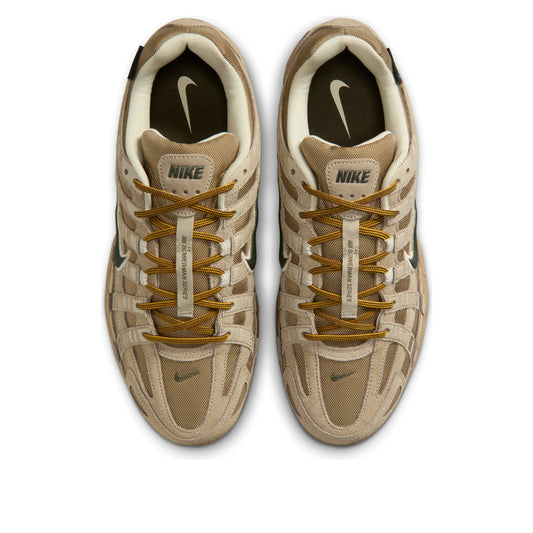
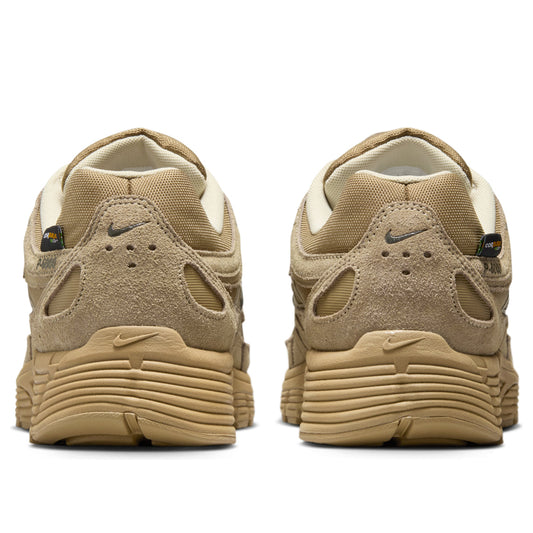
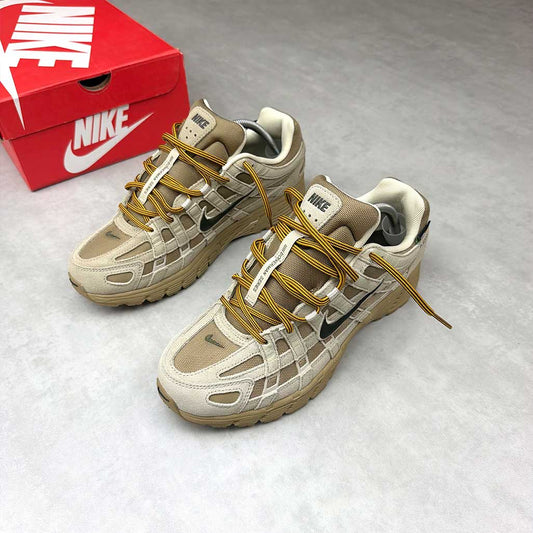
The layered upper is probably the clearest example. A mesh base sits beneath overlapping synthetic overlays, with structural lines running across the forefoot, midfoot and heel. These elements are not only responsible for the P-6000's visual complexity; they also reflect the construction language of running footwear, where breathable mesh, supportive overlays and a structured upper were used to balance ventilation, durability and foot security. On the P-6000, those functional references become part of the sneaker's lifestyle identity.
This is one reason the P-6000 can look more complicated in photographs than many everyday sneakers. There is simply more for the eye to read. The panels create shadows, the metallic sections catch the light and the different textures prevent the upper from becoming visually flat. It is a sneaker that rewards a closer look.
That complexity also helps explain why the P-6000 has such a recognisable personality. Minimal sneakers can become almost invisible within an outfit. The P-6000 tends to do the opposite. It brings texture, structure and a distinctly technical presence without needing to become an oversized or aggressively chunky sneaker.
Its proportions are part of that balance. The sole and upper have enough visual weight to make the shoe noticeable, but the overall shape remains familiar enough to work as an everyday sneaker. That middle ground is one of its strengths.
What the Running World Still Tells Us About Comfort
There is an interesting connection between the original running purpose of this design language and the way the P-6000 is worn today.
The combination of a breathable upper, structured overlays and cushioned underfoot construction gives the P-6000 a practical quality for everyday wear. That cushioning is part of the model's running-inspired character, but it should be understood in context: the P-6000 is designed as a lifestyle sneaker, not as a current performance running shoe with the specialised ride, stability systems or training purpose of Nike's dedicated running models. For walking, commuting and ordinary daily movement, however, that running heritage helps explain why the silhouette feels naturally suited to life on the move.
Is the Nike P-6000 a Running Shoe?
The Nike P-6000 is running-inspired rather than a modern performance running shoe. Its design comes from Nike's early-2000s running aesthetic, including the visual language of the Pegasus line, but the P-6000 is positioned as a lifestyle sneaker today. That distinction matters: it can deliver the everyday comfort and lightweight feel associated with a running-inspired construction, but it is not intended to replace a dedicated Nike running shoe designed for structured training, mileage or performance.
The P-6000 as an Everyday Sneaker
Its success as a lifestyle sneaker comes partly from its ability to carry a strong identity without becoming difficult to wear. The shoe has enough character to change the feel of an outfit, but its proportions are familiar enough to sit naturally alongside everyday clothing.
That versatility is closely tied to the sneaker's running-inspired proportions: it has enough structure to feel substantial, but it avoids the exaggerated bulk of some modern chunky sneakers.
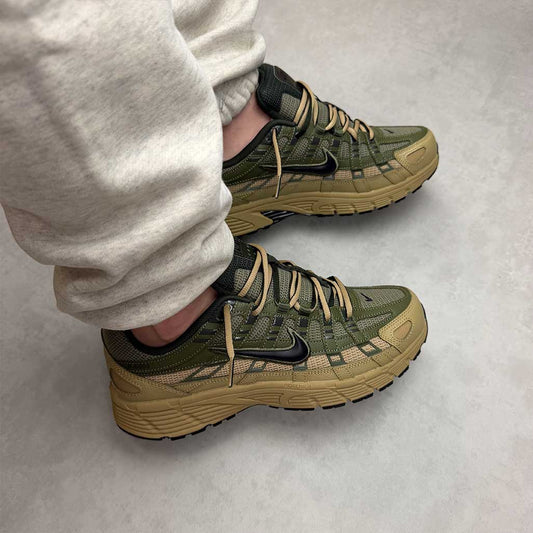
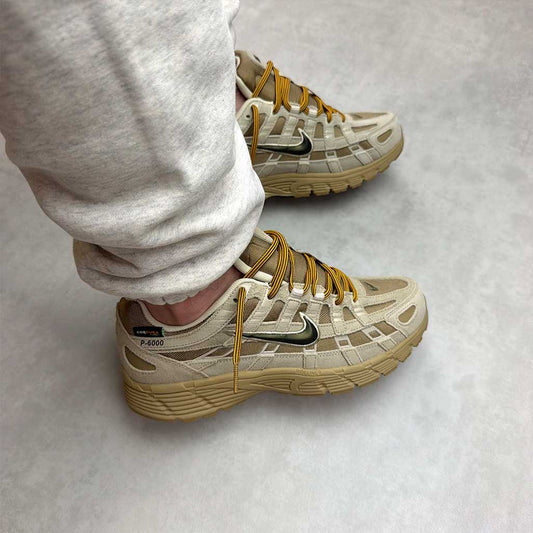
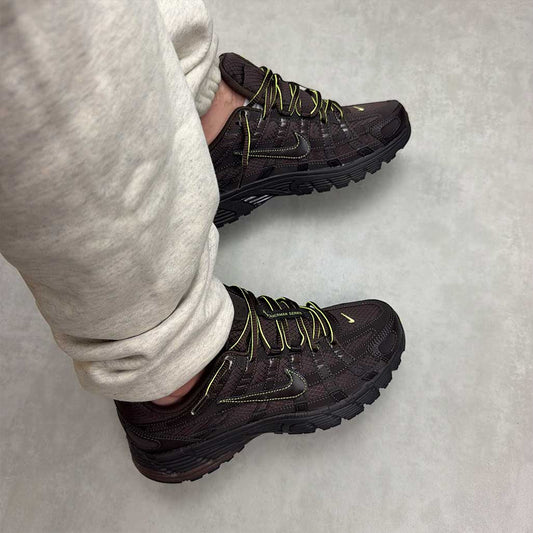
With denim, the running influence becomes more obvious. Straight or relaxed jeans allow the layered upper and sole to remain visible, reinforcing the early-2000s character without requiring the rest of the outfit to follow the same era. With wider trousers, the P-6000 can feel more contemporary, particularly when the hem gives the shoe enough space to remain visible rather than swallowing its shape.
There is another way to wear it, too. Against a simple outfit built around neutral trousers, a plain top and understated outerwear, the P-6000 can become the most visually complex part of the look. That contrast is often more effective than trying to match the sneaker with several other statement pieces.
This is one of the reasons the model works across different styles. You do not necessarily need a Y2K wardrobe to wear a Y2K-influenced sneaker. The P-6000 can bring that reference into an otherwise contemporary wardrobe without making the entire outfit feel themed.
Colour Changes the Personality of the P-6000
The construction of the P-6000 stays recognisable across different colourways, but the impression it creates can change considerably.
Silver-based versions make the connection with early-2000s running footwear especially obvious. Metallic panels emphasise the technical side of the design and give the sneaker a more futuristic quality. They are often the colourways that make people notice the P-6000 for the first time because they reveal so clearly what makes the silhouette different.
Lighter white and neutral combinations take another approach. They allow the construction to remain visible while reducing some of the visual intensity created by metallic contrasts. The result can feel cleaner and easier to integrate into a wardrobe built around simple colours.
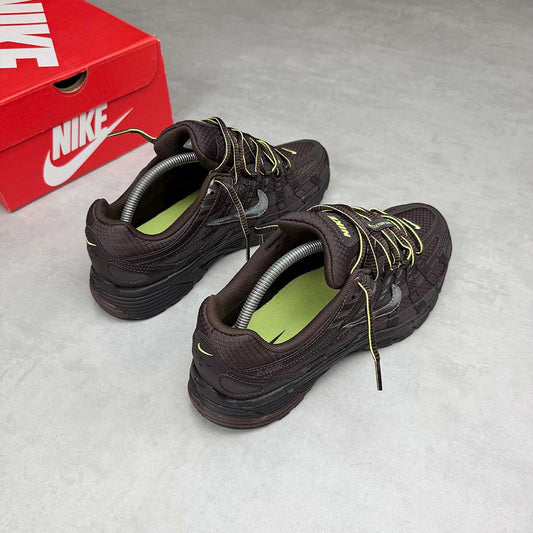
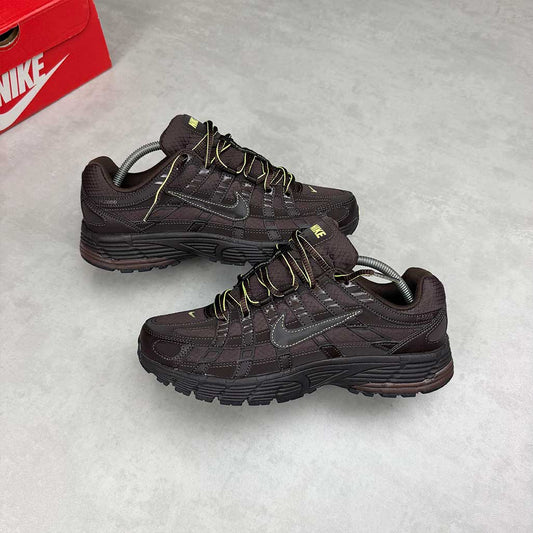
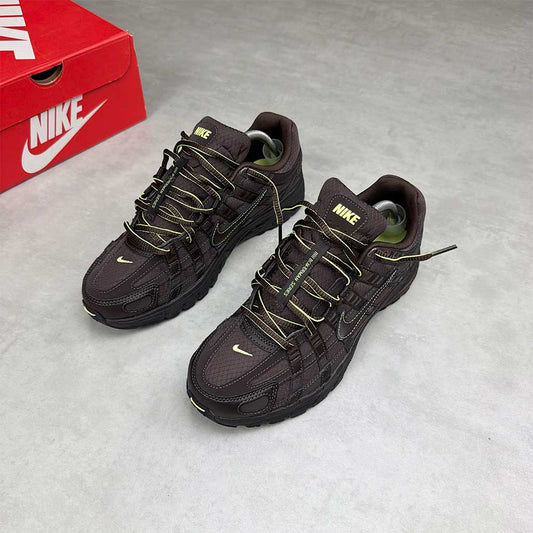
Darker combinations change the balance again. The layers remain there, but they become less visually dominant, allowing the sneaker to feel more understated while keeping the same underlying structure.
This is why choosing a P-6000 colourway is not simply a question of deciding which colour looks best in isolation. The more useful question is how much visual presence you want the sneaker to have within your own wardrobe. The same silhouette can become a statement piece or a quieter everyday option simply through its colour combination.
For a closer look at the different directions the model can take, our dedicated P-6000 colourways guide explores those choices in more detail.
Why the P-6000 Still Feels Current
Retro sneakers often depend heavily on nostalgia. The P-6000 has nostalgia built into it, but that is not the only reason it works.
Part of its relevance comes from the fact that modern sneaker culture has become increasingly comfortable with technical-looking footwear outside the performance world. The renewed interest in Y2K fashion, retro running shoes and archive-inspired sneakers has made the visual language of the early 2000s feel contemporary again. Running-inspired silhouettes no longer need to be worn exclusively with athletic clothing; they can sit alongside denim, tailored trousers, relaxed streetwear and simple everyday pieces.
The P-6000 fits naturally into that shift because it was already visually prepared for it. Its technical details give it a clear identity, while its proportions keep it approachable.
It also occupies an interesting position between different sneaker categories. It is more visually detailed than a simple retro runner, but less extreme than some of the oversized performance-inspired silhouettes that have appeared in recent years. It carries the memory of running without trying to reproduce the experience of wearing a modern performance shoe.
That balance is perhaps the most useful way to understand it.
The P-6000 is not trying to be everything. It is a lifestyle sneaker with a running vocabulary, and that distinction is what gives it character.
How the P-6000 Fits Into Your Wardrobe
The best way to approach the P-6000 is not to ask whether it works with one particular style. It is to consider what role you want the sneaker to play.
If you like retro runners but want something with more visual depth, the layered construction gives you that extra character. If you like Y2K influences but do not want to build an entire outfit around them, the P-6000 can introduce the reference through one piece. And if your wardrobe is generally simple, the sneaker can provide contrast without requiring much else.
Fit matters because the P-6000's running-inspired construction can feel different depending on foot shape and personal preference. For most shoppers, the starting point is their usual Nike size, but width, forefoot space and the way the structured upper sits around the foot can change the experience. If you are buying online, measuring your foot and checking the specific Nike size guide is a more reliable approach than choosing a size based only on how the sneaker looks.
For the detailed questions around measurements, width and choosing the right size, the dedicated Nike P-6000 sizing guide goes further into the fit itself.
More Than a Throwback
The P-6000 is easy to describe as a Y2K sneaker or a retro running-inspired model, but neither description really explains why it has become so interesting.
Its appeal comes from the combination of things it carries with it. There is the running heritage, visible in the construction and proportions. There is the comfort and everyday practicality associated with a sneaker designed from a running vocabulary, even though its role today is completely different. There is the visual complexity of the layered upper, which gives the model more personality than many simple everyday sneakers. And there is the flexibility of the silhouette, which allows it to move between nostalgic references and contemporary wardrobes without becoming trapped in either.
That is what makes the P-6000 worth looking at beyond the product page.
It started with a language built around running, performance and movement. Today, that language has become part of something broader. The P-6000 can be worn for the ordinary parts of the day, with ordinary clothes, while still carrying traces of the world that inspired it.
Perhaps that is why it has become one of those sneakers that grows more interesting the longer you look at it. It does not need to shout to have personality. Its identity is already built into the layers, the contrasts, the metallic details and the proportions.
The P-6000 is not simply a running-inspired sneaker that became fashionable. It is a reminder that the ideas created for performance can sometimes have a second life, and that a sneaker does not have to forget where it came from to become something completely new.
What to Know Before Choosing the Nike P-6000
The P-6000 sits in an interesting space between retro running design and modern lifestyle footwear. A few practical questions are worth answering before choosing the silhouette, particularly around its purpose, everyday comfort and fit.
Is the Nike P-6000 a running shoe?
The Nike P-6000 is a running-inspired lifestyle sneaker rather than a modern performance running shoe. It draws from Nike's early-2000s running design, but it is intended primarily for everyday wear.
Are Nike P-6000 comfortable for everyday wear?
The Nike P-6000 is designed for everyday wear, with a breathable mesh upper and cushioned sole that make it suitable for walking, commuting and ordinary daily movement. It should not, however, be treated as a substitute for a dedicated running shoe.
How does the Nike P-6000 fit?
The Nike P-6000 generally starts with your usual Nike size, but fit can vary depending on foot shape, width and forefoot space. When buying online, measuring your foot and checking Nike's specific size guide is the safest approach.