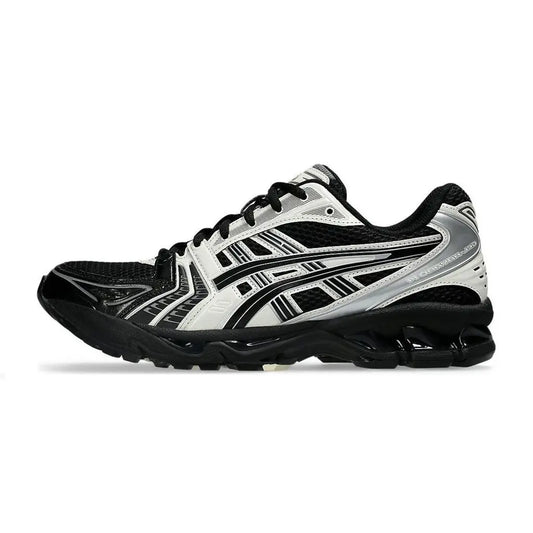
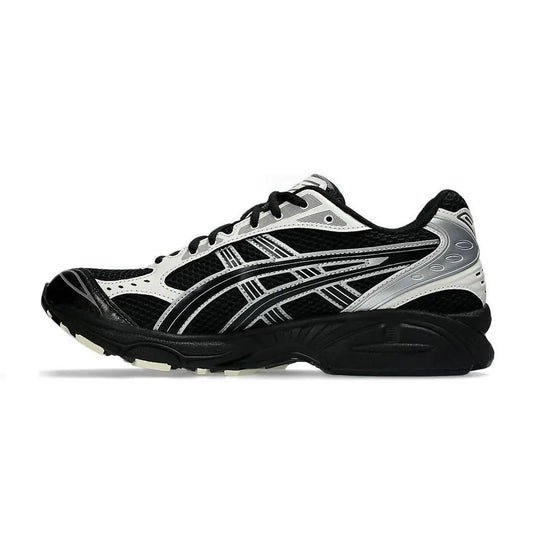
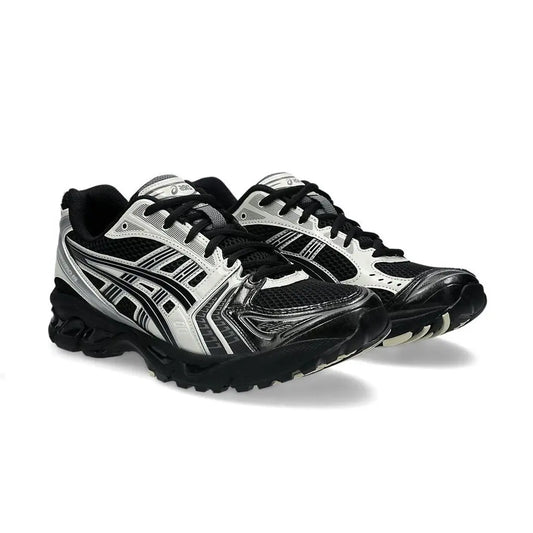
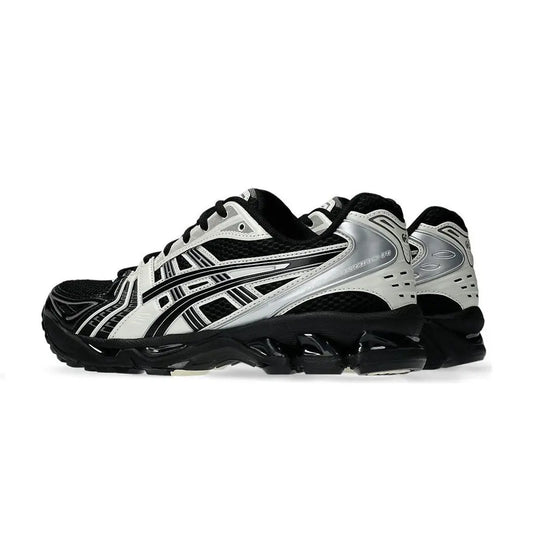
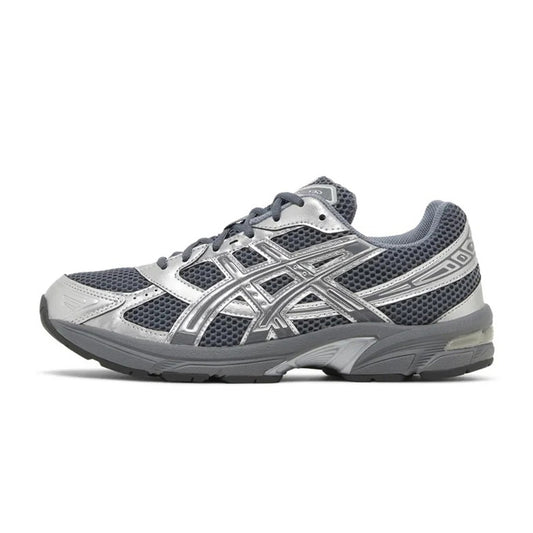
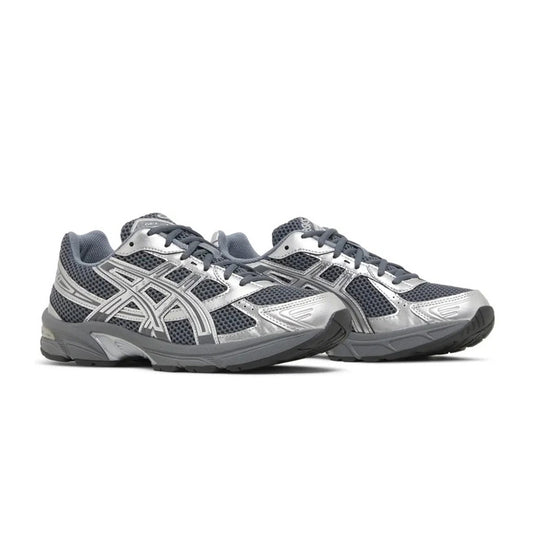
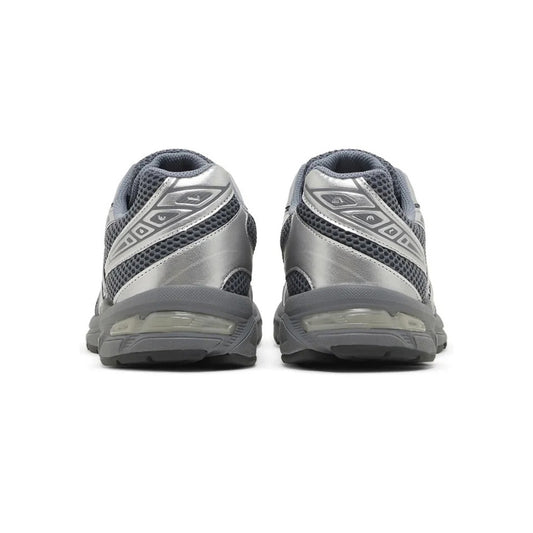
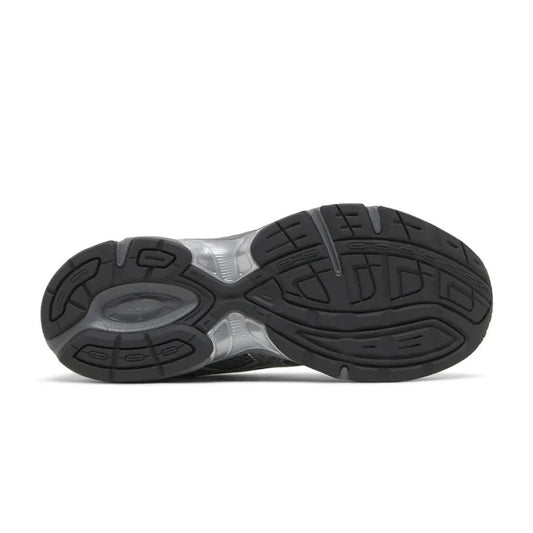
ASICS Sizing Guide: How Should ASICS Trainers Fit?
Choosing the right ASICS size is not simply a matter of taking the same number you normally wear. The fit can feel different depending on the model, the intended use and the shape of your foot, which is why sizing becomes particularly important when buying online. For many shoppers, the main questions are straightforward: should you go up half a size, how much room should there be around the toes, and what should you do if you have a wider foot?
Should You Go Up a Size in ASICS?
For some ASICS trainers, going up by half a size can be a sensible option, particularly if you plan to use them for running, long walks or extended periods on your feet. Your feet can swell during activity, so a shoe that feels comfortably snug when you first try it on may become restrictive later. However, this does not mean that every ASICS model should automatically be bought in a larger size. The better approach is to consider how the individual model fits your foot and how much space you need at the front.
A model with a more generous toe box may feel comfortable in your usual size, while a narrower construction could make the same size feel more restrictive. The intended use matters too, particularly when the shoe will be worn for long periods rather than simply as an everyday lifestyle trainer.
How Much Room Should You Have in the Toe Box?
The space in front of your toes is one of the most important parts of a good ASICS fit. Your longest toe should not touch the end of the shoe, and around 1 cm of space between your longest toe and the front of the shoe is a useful general reference. This gives your foot enough room to move naturally without allowing it to slide excessively inside the trainer.
The way the shoe feels when you are standing and walking is also important. Your toes should be able to move without pressing against the front, while the shoe should still feel secure around the rest of your foot. If you need to size up significantly just to create enough space around the toes, the issue may be width or the shape of the particular model rather than length alone.
Do ASICS Trainers Run Narrow or Wide?
Width is another important part of ASICS sizing, especially for shoppers who already know that standard-width trainers tend to feel restrictive. ASICS offers different width options on some models, allowing the fit to be adjusted around the forefoot without necessarily changing the length of the shoe.
This distinction matters because choosing a longer size simply to gain more room across the toes can create unnecessary movement around the heel. A shoe can be long enough while still feeling too narrow, and increasing the length does not always solve that problem. If you regularly experience pressure across the forefoot, looking at available width options can be more useful than automatically moving to a larger size.
Why Can ASICS Feel Different From Other Brands?
ASICS trainers are generally designed with a more structured approach to fit than many lifestyle sneakers. The shape of the shoe, the way the upper holds the foot and the amount of space provided around the forefoot are influenced by the intended use of the model. As a result, the same numerical size can feel noticeably different from another brand, or even from another ASICS trainer.
This is why comparing the number alone is not always enough when choosing your size. A familiar size can still feel different when the shape of the toe box, heel or midfoot changes. For online shoppers, understanding those differences is often more useful than trying to decide whether ASICS generally runs big or small.
What Should a Good ASICS Fit Feel Like?
A correctly fitted ASICS trainer should feel secure without squeezing the foot. Your heel should remain comfortably in place, the midfoot should feel supported rather than compressed, and your toes should have enough freedom to move without touching the front of the shoe.
The shoe should feel stable when you walk, but it should not rely on excessive tightness to keep your foot in position. If you find yourself loosening the laces to relieve pressure across the forefoot, or tightening them significantly to stop your heel from moving, the problem may be the shape or size of the shoe rather than simply the way it has been laced.
Does the Fit Change Between ASICS Models?
Yes. ASICS does not have one identical fit across every trainer in its range. A running model, a lifestyle model and a more structured stability shoe can create different sensations around the heel, midfoot and toe box even when they share the same stated size.
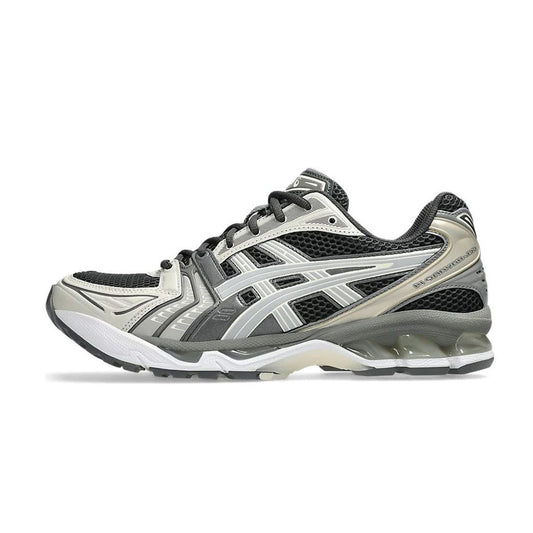
This becomes particularly relevant when moving between models such as the GEL-Kayano, GEL-Nimbus, GEL-1130 or GT-2160. Your usual ASICS size is a useful reference, but the construction and intended use of the individual model still matter. A size that feels right in one silhouette should therefore be treated as a starting point rather than a guarantee for every ASICS trainer.
How to Check Your ASICS Size Before Buying Online
When buying ASICS online, the safest approach is to measure your foot and compare it with the brand's sizing information rather than relying exclusively on the size you normally buy. Measure both feet and use the larger measurement as your reference, particularly if there is a noticeable difference between them.
It is also worth considering how you intend to use the shoe. A trainer for running or long periods of walking may need slightly more room at the front than a sneaker primarily worn for shorter everyday outings. The goal is not to make the shoe feel loose, but to leave enough space for natural movement while maintaining a secure fit around the heel and midfoot.
The Right ASICS Size Is About Fit, Not Just the Number
The most useful way to think about ASICS sizing is not simply whether the brand runs big or small. A good fit comes from the relationship between length, toe-box space, width and how securely the shoe holds your foot.
Once those elements are considered together, choosing between your usual size and a half-size adjustment becomes much easier, particularly when buying a model you have not worn before. And when the question is more specific — whether a GEL-Kayano feels different from a GEL-Nimbus, for example — the individual model becomes just as important as the size printed on the box.