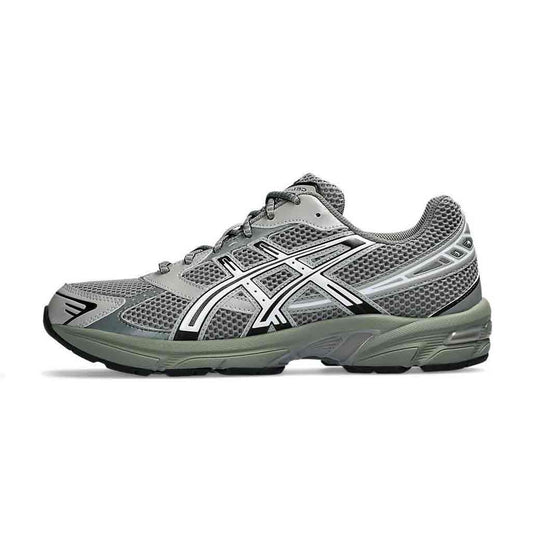
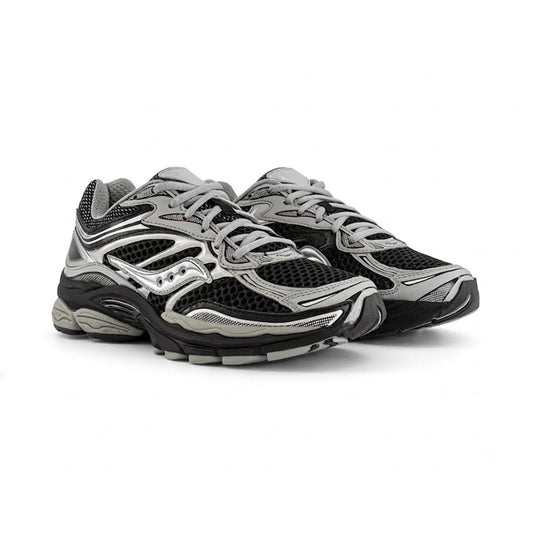
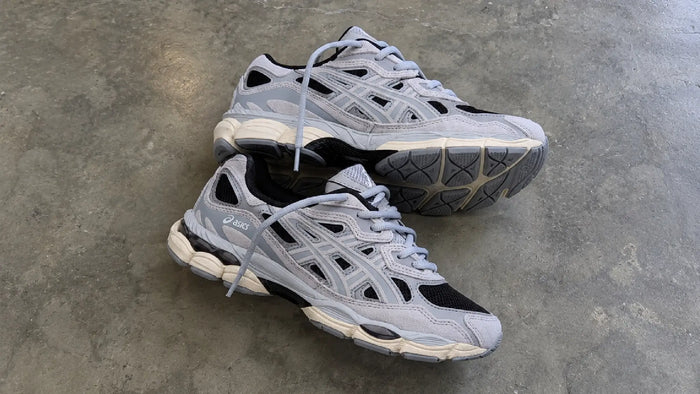
How Trainers Became More Than Just Footwear
How Trainers Became More Than Just Footwear
A pair of trainers can be designed to run faster, jump higher or move more comfortably. But that does not explain why someone keeps a pair unworn in its box, queues for a release, studies the history of a particular colourway or pays above retail for a discontinued model.
It also does not explain why footwear created for sport now appears on basketball courts, skateparks, streets, fashion runways, music videos and in luxury boutiques.
Something changed.
Trainers stopped being defined only by what they could do and began to be valued for what they could mean.
Sport gave trainers performance credibility. Athletes gave them personalities. Music and subcultures gave them cultural identity. Streetwear and fashion changed how they were worn. Collaborations turned familiar silhouettes into creative objects. Collecting gave certain pairs historical significance, while limited releases and resale created new forms of demand.
The internet then connected these communities across countries and generations.
Together, these forces created what is now widely recognised as sneaker culture: a global culture built around footwear, but shaped by sport, music, fashion, design, collecting, identity and community.
What Is Sneaker Culture?
Sneaker culture is the community, history, knowledge, collecting, fashion and social meaning that has developed around trainers beyond their original functional purpose.
It includes sporting heritage, athlete signature shoes, basketball and skateboarding, hip-hop and music, streetwear, collaborations, limited releases, sneaker collecting, authentication, resale, styling and the stories attached to particular silhouettes.
At its centre is a relatively simple idea: a trainer can have value beyond performance.
A pair can represent a sporting moment, an athlete, an artist, a city, a subculture, a design movement or a personal memory. It can communicate taste, belonging and knowledge without saying anything verbally.
That is what transformed trainers from sports equipment into cultural objects.
How Did Trainers Become Everyday Fashion?
The first major transformation was that trainers escaped sport.
Athletic footwear was originally designed around physical demands. Running shoes needed cushioning and efficiency. Basketball shoes needed stability and traction. Tennis shoes needed lateral support. Different sports created different technical requirements.
But sporting footwear gradually became visible outside sporting environments.
People began wearing trainers because they were comfortable, practical and increasingly stylish. Once athletic shoes entered everyday wardrobes, design became almost as important as function.
Colour mattered. Shape mattered. Branding mattered. The athlete associated with a model mattered. Eventually, the cultural associations surrounding a trainer could influence a purchase just as strongly as its technical specifications.
A basketball shoe no longer needed to remain on a basketball court. A running silhouette could become everyday streetwear. A tennis shoe could survive long after the sporting era that created it.
This ability to move between contexts became one of the defining characteristics of modern sneaker culture.
How Athletes Made Trainers Culturally Important
Sport gave trainers something extraordinarily powerful: personalities.
An athletic shoe is relatively abstract when considered only through technology. Associate it with an exceptional athlete and it acquires a narrative.
Basketball became particularly important because footwear was highly visible and players were becoming global cultural figures.
The relationship between Michael Jordan and Nike's Air Jordan line remains the clearest example. When the first Air Jordan reached consumers in 1985, its importance extended far beyond cushioning or court performance. The shoe became connected to Jordan's sporting ability, competitive identity and growing cultural influence.
A trainer could now represent a person.
And through that person, it could represent aspiration.
Fans were no longer simply purchasing basketball footwear. They could own an object associated with an athlete they admired and a particular moment in sporting history.
This model changed the sneaker industry and helped establish the idea of the signature sneaker as both a performance product and a cultural symbol.
How Basketball Shaped Sneaker Culture
Basketball's influence extends far beyond Air Jordan.
The sport created an environment where footwear was functional, highly visible and increasingly expressive. Shoes associated with players, teams and particular eras became recognisable away from the court.
Nike's Dunk is another important example. Introduced in the mid-1980s through university basketball, the silhouette eventually moved into skateboarding, streetwear, collecting and everyday fashion.
Its sporting origin remained important, but it no longer defined the limits of the shoe.
This became a recurring pattern throughout sneaker history:
Performance creates the object; culture gives it additional lives.
A silhouette can therefore remain culturally relevant long after the technology that originally made it competitive has been surpassed. Its performance advantage may disappear while its design, history and associations become increasingly valuable.
How Hip-Hop Changed the Meaning of Trainers
If sport gave trainers heroes, music gave them attitude.
Hip-hop was particularly influential because fashion was deeply connected to the culture surrounding the music. Artists developed recognisable visual identities through clothing, jewellery and footwear, and audiences paid attention.
One of the defining moments came during the 1980s through Run-D.M.C. and the adidas Superstar.
Their association with the Superstar demonstrated that musicians could influence trainer culture as powerfully as athletes.
People did not necessarily want a particular pair because it improved athletic performance. They wanted it because of what the shoe represented.
That changed the relationship between music and footwear.
Artists increasingly moved from simply wearing trainers to influencing releases, collaborating with brands and becoming part of the creative story surrounding particular models.
Music proved that cultural influence could create demand for performance footwear even when performance was not the reason for the purchase.
Hip-Hop Turned Trainers Into a Cultural Uniform
The influence of hip-hop was larger than individual endorsements.
Trainers existed within a complete visual language involving music, clothing, jewellery, movement, neighbourhoods and identity.
The shoe became one element of a broader cultural expression.
When audiences adopted those styles, particular trainers could become associated with entire scenes rather than one artist. Wearing a specific pair could communicate musical taste, cultural affiliation or knowledge.
This also explains why sneaker culture developed through local communities before becoming a global phenomenon.
Different cities and communities developed their own preferences, shops, styles and relationships with particular models. The same silhouette could carry different meanings depending on where and how it was worn.
Local knowledge became part of sneaker knowledge.
How Skateboarding Reinterpreted Trainers
Skateboarding demonstrates another important principle: brands do not completely control what their products become.
Skaters have repeatedly adopted footwear according to their own priorities, including grip, durability, board feel, price, silhouette and style.
The Nike Dunk is particularly significant because a basketball shoe became associated with skateboarding before Nike formally developed the SB version.
The cultural importance of this transition goes beyond one model.
The company creates an object, but the community can discover another meaning for it.
That process of reinterpretation is fundamental to sneaker culture. A trainer becomes culturally powerful when people can adapt it to their own identity and environment.
Trainers Became a Form of Self-Expression
This is where trainers become more interesting than ordinary consumer products.
Two people can own exactly the same pair for completely different reasons.
One person might care about the athlete associated with it. Another remembers wearing the model when younger. Someone else discovered it through music. A collector may value its rarity or historical importance, while another buyer simply likes its shape and colour.
The physical object is identical.
The meaning is personal.
This flexibility is one reason sneaker culture has survived so many changes in fashion.
It can contain performance enthusiasts, collectors, basketball fans, skaters, fashion consumers, archive specialists and casual wearers without requiring them to value trainers in exactly the same way.
Trainers became a form of self-expression because people could attach their own stories to them.
When Brands Realised They Were Selling Stories
As the cultural significance of trainers expanded, footwear marketing evolved with it.
Technical performance remained important, but brands increasingly understood the power of heritage, identity, community, nostalgia, collaboration, scarcity and storytelling.
A release could become an event.
A campaign could establish cultural context before consumers even saw the product in person. A familiar silhouette could be presented through a new historical reference or creative collaboration.
But there is an important distinction.
Brands can launch trainers. Culture decides which ones become icons.
Marketing can create attention, but long-term cultural relevance usually requires adoption by consumers, communities and successive generations.
That is why some heavily promoted releases disappear quickly while comparatively simple silhouettes become enduring classics.
How Collaborations Changed Sneaker Design
Collaborations accelerated the cultural evolution of trainers.
A sneaker could sit at the intersection of several creative worlds: sportswear and fashion, skateboarding and art, athletic heritage and luxury, or footwear and music.
The strongest collaborations do more than place two names on the same product. They reinterpret a familiar silhouette through another creative perspective.
Materials, colours, proportions, construction, storytelling and intended audience can all change while the underlying model remains recognisable.
This explains why certain silhouettes become powerful collaboration platforms. Their identity is strong enough to survive reinterpretation.
The trainer becomes a canvas.
How Limited Releases Created Sneaker Hype
Once trainers had stories, communities and collectors, scarcity became increasingly powerful.
A widely available trainer can be purchased whenever convenient. A limited release creates a moment.
Release date. Raffle. Queue. Drop. Win. Loss.
The experience of obtaining the trainer becomes part of its cultural story.
This helped create modern drop culture, where consumers follow sneaker release calendars because access may be limited.
The broader cultural role of how limited-edition sneakers shape sneaker culture is important here, because scarcity does more than restrict supply — it can create rituals, communities and stories around a release.
However, limited does not automatically mean important.
Scarcity can create urgency, but it cannot guarantee lasting cultural significance. The most enduring limited releases usually combine restricted availability with strong design, cultural relevance, collaboration, heritage or storytelling.
Why People Collect Trainers
Once a trainer has meaning beyond practical use, another behaviour becomes possible:
you do not necessarily have to wear it.
Sneaker collecting transformed certain trainers into cultural artefacts.
A collector may preserve a pair because it represents an athlete, an era, a collaboration, a design innovation, a particular colourway or a personal memory.
This changes the relationship between footwear and time.
A performance shoe eventually becomes technologically obsolete. A culturally important trainer can become more interesting because it is old.
Its technology may no longer matter. Its history does.
Sneaker collections can therefore function as personal archives, preserving pieces of sport, music, fashion, design and street culture through footwear.
How Resale Changed Sneaker Culture
Scarcity and collecting created another major development: the secondary sneaker market.
When more people want a trainer than can purchase it at retail, access acquires financial value. Resale makes that value visible.
A pair released at one price can trade at another according to demand, availability, size, condition, rarity and cultural attention.
This introduced an economic layer to sneaker culture.
But it also created an important misconception:
expensive does not automatically mean culturally important.
A high resale price can reflect scarcity or short-term demand. A historically significant trainer may have enormous cultural relevance without commanding the highest secondary-market price.
Financial value and cultural value can overlap, but they are not identical.
Why Authentication Became Part of Sneaker Knowledge
As collecting and resale expanded, another question became increasingly important:
Is the pair authentic?
Counterfeit footwear has existed for decades, but the growth of valuable secondary markets increased the financial consequences of buying an inauthentic pair.
Sneaker knowledge therefore expanded beyond releases and history.
Collectors and buyers began paying closer attention to construction, stitching, materials, labels, packaging, product codes, shape and provenance. Authentication became part of the knowledge required to navigate the market confidently.
Trust became part of the transaction.
This reflects how sophisticated sneaker culture had become. People were no longer simply buying footwear. They were evaluating objects with histories, market values and authenticity risks.
How Fashion Gave Trainers New Status
For much of their history, trainers represented casual or athletic clothing while traditional luxury footwear represented something different.
Fashion gradually weakened that distinction.
Designers began treating trainers as legitimate design objects rather than simply sports products. Materials became more experimental and luxurious. Construction could be evaluated for craftsmanship as well as performance.
Trainers began appearing alongside tailoring and high-end clothing in contexts where athletic footwear would previously have seemed out of place.
The rise of luxury sneakers and collaborations between sportswear companies and fashion houses made the transition impossible to ignore.
But fashion did not erase a trainer's sporting or street heritage.
It added another layer.
That is an important characteristic of sneaker history: new meanings often accumulate without replacing the old ones.
From Streetwear to Luxury
The boundaries between streetwear, sportswear and luxury became increasingly fluid.
Luxury brands borrowed from street culture. Streetwear became more premium. Sportswear companies collaborated with designers. Collectable trainers appeared alongside luxury watches, jewellery and archive fashion.
Alternative luxury brands such as Chrome Hearts demonstrate how craftsmanship, scarcity, distinctive aesthetics and cultural credibility can operate outside traditional definitions of luxury.
Trainers entered this broader premium ecosystem without abandoning their original identity.
That creates a more interesting question than whether sneakers belong in luxury fashion.
The real question is what makes a trainer genuinely premium rather than simply expensive.
How the Internet Globalised Sneaker Culture
Early sneaker culture was deeply local.
Cities had their own shops, scenes, preferences and ways of wearing particular trainers.
The internet changed the scale.
Forums, blogs, specialist publications, ecommerce, resale platforms and social media allowed sneaker knowledge to travel almost instantly.
A collector in London could see what someone was wearing in Tokyo. A release in New York could be discussed globally. A forgotten trainer from the 1990s could be rediscovered by someone born years after its original release.
The result was a remarkable cultural loop:
the internet made sneaker culture more global while making its history easier to rediscover.
Past and present began existing simultaneously.
An archive image could influence contemporary styling. A vintage colourway could inspire a new release. A collaboration could revive interest in an older silhouette.
Sneaker culture stopped moving only forward. It began constantly revisiting itself.
Social Media Turned Trainers Into Content
Social media accelerated the process.
Trainers became highly visual cultural objects: unboxings, on-foot photography, collections, outfit posts, release reactions, authentication comparisons, archive content and videos explaining sneaker history.
A single release could generate thousands of pieces of content around the world within hours.
This accelerated hype, but it also democratised knowledge.
Someone no longer needed access to a specialist shop or established local sneaker scene to begin learning about trainer history, sneaker releases, collecting or authentication.
The downside is that attention can move quickly.
A trainer can dominate conversation for a short period and then disappear.
That makes the distinction between hype and enduring cultural relevance increasingly important.
Why Do Some Trainers Become Cultural Icons?
Not every successful trainer becomes an icon.
The most enduring sneaker silhouettes usually sit at the intersection of several forces: recognisable design, sporting heritage, cultural adoption, strong storytelling, influential associations, adaptability, collectability and community.
A trainer can begin with performance credentials, acquire cultural meaning through music or sport, become fashionable through streetwear, gain scarcity through limited releases and eventually develop historical importance through collecting.
No single factor guarantees longevity.
Cultural icons are usually created when several meanings reinforce one another over time.
Why Sneaker Culture Still Matters
Sneaker culture has endured because trainers can move between worlds unusually well.
They can be performance equipment and fashion.
They can be everyday footwear and collectables.
They can be mass-produced objects and personal memories.
They can be commercial products and cultural symbols.
Few consumer products occupy all of those positions simultaneously.
That flexibility allows every generation to reinterpret them.
A young consumer can discover a silhouette without knowing its history. An experienced collector can recognise decades of cultural references in exactly the same pair. Neither relationship cancels the other.
That is why trainers became more than footwear.
Sport gave them purpose. Athletes gave them personalities. Music gave them attitude. Communities gave them meaning. Fashion expanded their possibilities. Collaborations gave them new identities. Scarcity created moments. Collectors preserved their history. Resale created markets. The internet gave the culture global reach.
But people did the most important part.
They decided that what was on their feet could say something about who they were.
And once footwear became a language, it could never be understood only as footwear again.
FAQs About Trainers and Sneaker Culture
What is sneaker culture?
Sneaker culture is the history, community, collecting, fashion, knowledge and cultural meaning surrounding trainers beyond their original function as sports footwear. It connects sneakers with sport, hip-hop, streetwear, design, fashion, collecting, resale and personal identity.
How did sneakers become part of popular culture?
Sneakers moved beyond sport through influential athletes, basketball, hip-hop, skateboarding, streetwear, fashion collaborations and collecting. Over time, these influences turned trainers from functional athletic products into cultural objects associated with identity, status, history and self-expression.