How New Balance Became One of the Most Respected Trainer Brands
Some trainer brands become culturally important by being impossible to ignore. New Balance took a different route.
For much of its history, the brand's appeal was built around things that are less dramatic than hype: fit, comfort, running credibility, craftsmanship, understated design and consistency. That approach did not always make New Balance the loudest name in sneaker culture. It made the brand something arguably more valuable: trusted.
Over time, silhouettes once associated primarily with runners and practical footwear found new audiences in fashion, streetwear and collecting. The important part is that New Balance did not need to abandon its original identity for that transformation to happen. Its heritage became fashionable precisely because it still felt like heritage.
That helps explain why New Balance has become one of the most respected trainer brands in contemporary sneaker culture.
Why Is New Balance So Respected?
New Balance has earned respect through a combination of more than a century of footwear history, fit and comfort, genuine running heritage, understated design, premium materials, manufacturing traditions and influential silhouettes such as the 990 series.
It also developed a distinctive approach to fashion. New Balance became fashionable without appearing entirely dependent on fashion. That distinction matters. Plenty of brands can become popular during a particular trend. New Balance built an identity that could remain relevant when the trend changed.
The result is a form of credibility that comes from consistency rather than constant reinvention.
New Balance Began With Fit, Not Fashion
New Balance traces its history to 1906, when William J. Riley founded the New Balance Arch Support Company in Boston. The company's earliest focus was not sneaker culture or fashion. It was fit.
Its arch supports were designed to improve comfort, support and balance inside footwear. New Balance later moved into running shoes, developing footwear for athletes before becoming the international performance and lifestyle brand it is today.
That origin still helps explain the company's identity. Fit is not simply a modern marketing message for New Balance. It is part of its history.
This is also why New Balance has long been associated with different width options across many models. For consumers whose feet do not fit neatly into one standard shape, width can be as important as length.
New Balance began by solving problems around the foot. Everything fashionable came later.
How Running Built New Balance's Credibility
Before New Balance became a major lifestyle choice, running gave the brand a technical foundation.
In the 1970s, New Balance became increasingly prominent during the running boom, building recognition around fit and performance rather than spectacle. That gave the company something difficult to manufacture later through branding alone: a reputation earned through use.
When running silhouettes eventually entered everyday wardrobes, they already carried a history. They did not need to pretend to be functional. They had been functional first.
This relationship between performance footwear and lifestyle fashion became central to New Balance's later success. The brand's trainers could move from running-inspired wardrobes into streetwear without losing the credibility of their original purpose.
How the New Balance 990 Became a Cultural Icon
Few models explain New Balance better than the 990. The original launched in 1982 as a premium running shoe, with New Balance positioning it as a technically ambitious product rather than simply competing on price.
The original 990 retailed for $100, an extraordinary price for a running shoe at the time. Its grey suede-and-mesh construction later developed a different kind of appeal: understated, functional, premium and recognisable.
The 990 became an important example of how technical footwear can become cultural design. New Balance continued evolving the model across generations rather than abandoning its original language.
Later versions changed cushioning, construction and proportions. The 990v3, v4, v5 and v6 each developed their own character while remaining connected to the same broader 990 identity.
That continuity is important. The 990 did not survive because it stayed exactly the same. It survived because New Balance kept updating it without making it unrecognisable.
Related reading: Why Nike Dunk Became a Global Icon
Why Grey Became Part of New Balance's Identity
Grey has become one of the strongest visual signals associated with New Balance.
It is not an inherently dramatic colour, and that is precisely why it works. On suede, mesh and layered constructions, different shades of grey allow materials, proportions and textures to become more visible without relying on aggressive colour blocking.
That restraint became recognisable.
A grey New Balance trainer can move between running-inspired outfits, streetwear, denim, tailoring, technical clothing and more minimal wardrobes. The shoe does not demand that the outfit revolve around it.
This adaptability helped transform understatement into a form of desirability. New Balance demonstrated that a trainer does not always need bold colours, oversized logos or limited drops to develop cultural status.
Made in USA and Made in UK Add Craftsmanship
Manufacturing heritage is another important part of New Balance's identity.
The company's Made in USA footwear is associated with premium materials, construction and domestic manufacturing. New Balance states that products carrying the Made in USA designation contain 70% or more domestic value, although these products represent only a limited portion of its US sales.
New Balance also maintains Made in UK production at its Flimby factory in Cumbria. For British consumers in particular, this adds another layer of relevance to the brand's manufacturing story.
These programmes do not mean that every New Balance trainer is made in the USA or UK. Instead, they create different levels within the product range and reinforce ideas of craftsmanship, heritage and continuity.
That distinction helps explain why New Balance pricing can vary considerably between models.
How Comfort Became Part of New Balance Style
Comfort is normally treated as a functional benefit. New Balance demonstrates how it can become part of a brand's aesthetic identity.
When people repeatedly associate a trainer with comfort, fit and the ability to wear it for long periods, the product becomes part of everyday life. That repeated use can create a stronger relationship between the wearer and the brand.
Someone may initially choose New Balance because of cushioning or fit. Later, they may appreciate the shape, buy another colour and discover another model. Eventually, the relationship moves beyond technical specifications.
The trainer becomes part of how that person dresses.
Function can therefore become culture through repetition.
This is also part of understanding what makes sneakers worth more, as comfort, materials, heritage and long-term relevance can all influence how a trainer is valued.
Why the “Dad Shoe” Became Fashionable
New Balance benefited from a major change in how consumers viewed practical footwear.
Certain silhouettes were once dismissed as unfashionable or associated with older consumers. Then chunky running-inspired trainers returned, technical footwear became central to everyday styling, and comfort stopped looking incompatible with taste.
The shoe itself had not suddenly gained a new history. The context around it had changed.
What had once looked conservative could now feel authentic. What had seemed practical could now feel intentional. What had existed outside fashion could become interesting precisely because it had not been designed to chase the dominant fashion trend.
That is one reason genuine sneaker heritage is so valuable. A brand can rediscover relevance without inventing a new past.
How Collaborations Changed New Balance
Heritage alone does not explain New Balance's contemporary popularity. Collaborations helped introduce the brand to audiences who might never have discovered it through running.
The strongest collaborations tend to work because the underlying trainer remains recognisably New Balance. The collaborator changes the perspective without erasing the original identity.
Fashion labels, retailers, artists and cultural figures have brought new attention to models including the 990 and 550. Colour, materials, storytelling and cultural references can change while the underlying silhouette remains familiar.
The partnership with Aimé Leon Dore is particularly significant. It helped introduce classic and previously overlooked New Balance models to a younger, fashion-focused audience, with the 550 becoming one of the clearest examples.
Originally a basketball shoe from the late 1980s, the 550 spent years outside the centre of sneaker conversation before returning in a completely different cultural environment.
That revival demonstrated the power of rediscovery. A forgotten silhouette does not necessarily need to become a completely new shoe to become relevant again. Sometimes it simply needs a new cultural context.
Why the New Balance 550 and 2002R Matter
The 550 demonstrates rediscovery. The 990 demonstrates continuity. Together, they show how New Balance can use its archive in different ways.
The 550 connected a basketball-era design to contemporary fashion, while one of the most iconic New Balance 550 colourways shows how that original basketball identity continues to work within modern streetwear.
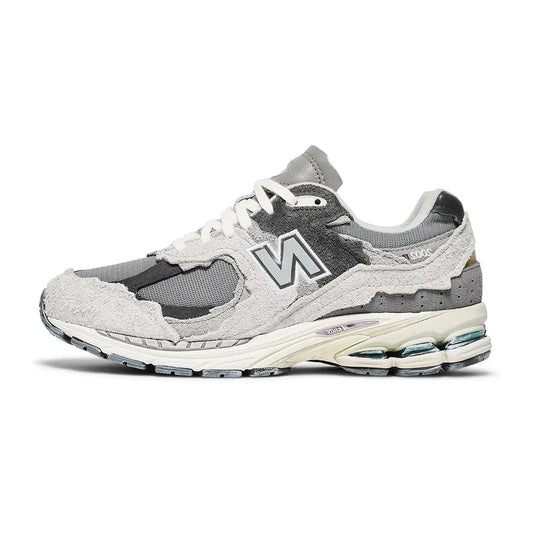
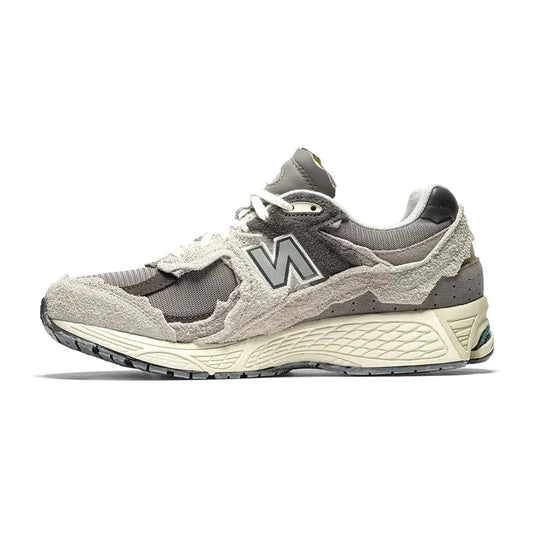
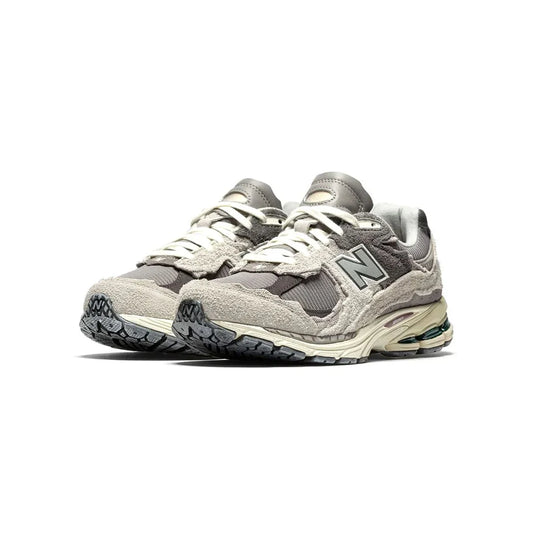
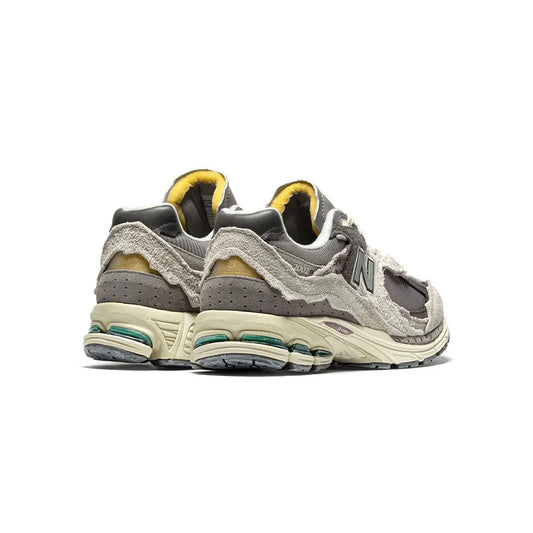
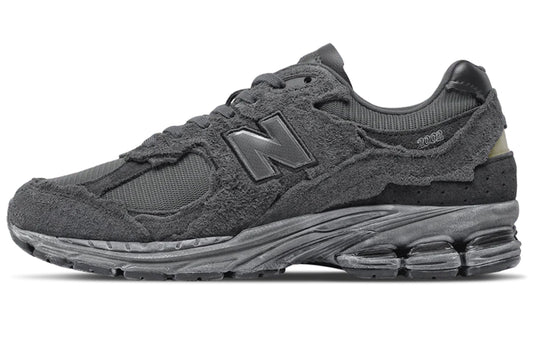
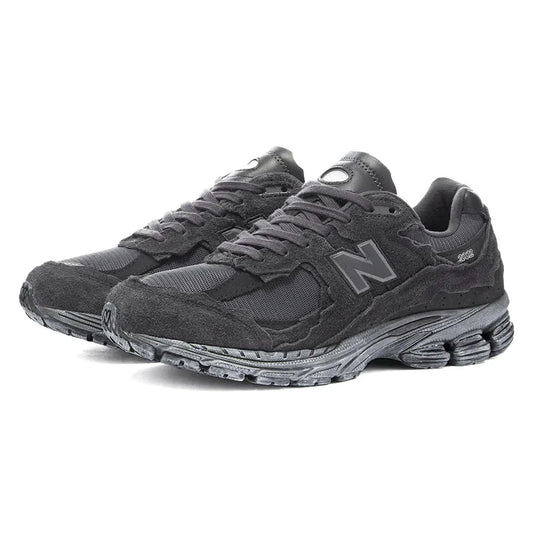
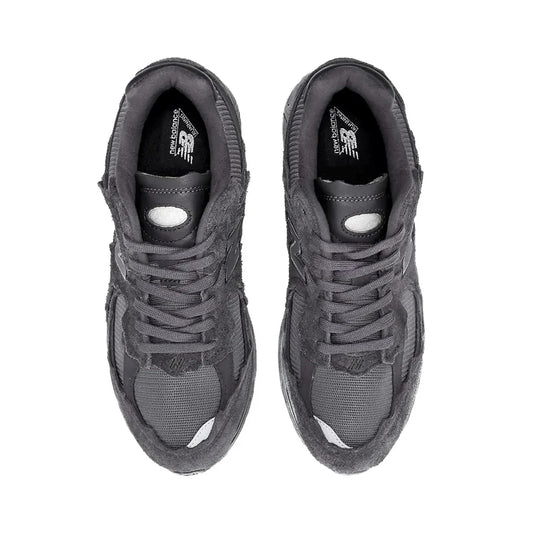
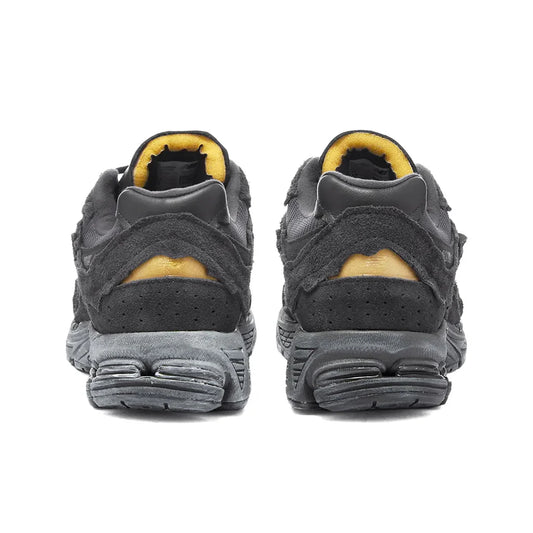
The 2002R became particularly relevant as fashion embraced mesh, suede, layered uppers and visibly technical silhouettes. The New Balance 2002R Protection Pack Rain Cloud is a strong example of how those qualities translate into contemporary streetwear, combining layered construction with the model's technical running character.
That gives the brand unusual flexibility. When fashion moves towards retro running, New Balance has authentic running heritage. When technical footwear returns, the brand already has decades of relevant design language.
Why New Balance Works Across Generations
Long-term relevance depends on giving different generations different reasons to care.
One person may associate New Balance with running. Another with comfort. Another with the 990. A British customer may care about Made in UK manufacturing. A younger consumer may discover the brand through a collaboration. Someone else may simply want a grey trainer that works with almost everything.
These meanings do not need to compete. They accumulate.
That makes New Balance resilient. New audiences can reinterpret the brand without requiring older audiences to forget what made it credible in the first place.
Is New Balance a Premium Trainer Brand?
New Balance spans multiple price levels and purposes, so it is more accurate to evaluate specific models and product families than to describe every trainer from the brand in the same way.
Premium factors can include Made in USA or Made in UK production, suede and mesh constructions, specialised cushioning systems, heritage models, collaborations, limited releases, craftsmanship and product-specific materials.
A Made in USA 990 and an entry-level running shoe may both carry the New Balance name, but they are not designed to fulfil exactly the same role.
The better question is not whether every New Balance trainer is premium. It is which model offers the qualities a particular buyer actually values.
New Balance vs Nike and adidas
New Balance occupies a distinct position among major trainer brands.
Nike has built enormous cultural influence through basketball, athlete culture, performance innovation and globally recognised icons. adidas has deep connections with football, running, terrace culture, music and classic lifestyle silhouettes.
New Balance developed a different combination: running heritage, fit, comfort, understated design, craftsmanship and technical lifestyle appeal.
It did not need to become Nike or adidas. Its strength came from making its own definition of a good trainer culturally desirable.
Respect Is Different From Hype
Hype creates urgency, conversation, demand, resale value and visibility. Respect works differently.
Respect develops when people repeatedly find reasons to trust a brand.
A successful release can create hype. A decade of good products can create credibility.
New Balance has experienced fashionable moments and highly sought-after collaborations, but its strongest cultural asset is that consumers can still care about the brand when those moments disappear.
The product has reasons to exist beneath the attention.
Hype asks whether people want the trainer today. Respect asks whether they will still believe in the brand tomorrow.
Which New Balance Models Matter Most?
Several New Balance model families are particularly useful for understanding the brand's evolution.
New Balance 990 Series: The clearest expression of premium running heritage becoming lifestyle culture.
New Balance 991: Closely associated with Made in UK craftsmanship and early-2000s running aesthetics.
New Balance 992: A recognisable technical-lifestyle silhouette with strong fashion relevance.
New Balance 993: An important part of the 99X lineage, particularly associated with comfort and understated design.
New Balance 550: A basketball archive model whose revival introduced New Balance to a new generation.
New Balance 2002R: A contemporary lifestyle model built around early-2000s technical running aesthetics.
New Balance 1906R: Another example of performance-inspired design finding a new audience through modern streetwear.
Together, these models demonstrate how broad New Balance's cultural identity has become.
Is New Balance Worth the Money?
That depends on the model and what the buyer values.
A consumer choosing New Balance for everyday comfort may find value in a very different product from someone buying a Made in USA or Made in UK trainer. Materials, construction, cushioning, manufacturing origin, fit, width availability, heritage, collaboration and rarity can all influence the price.
Fit and width availability can also make a significant difference when choosing between models, so a New Balance sizing guide can be useful before deciding which trainer is right for you.
The most expensive New Balance is not automatically the best New Balance for every person.
The better question is: Which model offers the qualities you actually value?
That approach makes more sense than treating the entire brand as one category. A runner, collector, fashion consumer and someone looking for an everyday trainer may all choose different New Balance models for equally valid reasons.
Why New Balance Became One of the Most Respected Trainer Brands
New Balance earned respect because it built credibility before it built hype.
Fit came first. Running gave the brand technical legitimacy. The 990 demonstrated that performance footwear could also become premium lifestyle design. Made in USA and Made in UK reinforced craftsmanship and manufacturing heritage. Understated design created a distinctive visual language. The archive provided authentic references for new generations. Collaborations introduced new audiences without requiring the brand to abandon its identity.
Most importantly, New Balance remained recognisably New Balance while culture changed around it.
That may be the strongest explanation for its longevity.
The brand did not become respected by chasing every cultural moment. It created an identity stable enough that culture kept returning to it.
Frequently Asked Questions
Why is New Balance so popular?
New Balance combines comfort, fit, running heritage, understated design, classic silhouettes, premium production and collaborations that have introduced the brand to new audiences.
Why is New Balance respected in sneaker culture?
Its reputation comes from long-term product consistency, genuine running heritage, craftsmanship, fit and silhouettes that have remained relevant across generations.
What is the New Balance 990?
The 990 is one of New Balance's most important model families. The original launched in 1982 as a premium running shoe and later became an influential lifestyle and fashion silhouette.
Why are New Balance 990s expensive?
Pricing can reflect materials, construction, cushioning technology, heritage and, for certain versions, Made in USA production.
What does Made in USA mean for New Balance?
New Balance states that its Made in USA footwear contains 70% or more domestic value. These products represent only a limited portion of the company's US sales.
Why did New Balance become fashionable?
Heritage running silhouettes, changing attitudes towards comfort, collaborations and renewed interest in technical and understated trainers helped introduce New Balance to new fashion audiences.
What are the most iconic New Balance models?
The 990 series, 991, 992, 993, 550, 2002R and 1906R are among the most important models for understanding New Balance's influence across running, fashion and sneaker culture.
Is New Balance a luxury brand?
New Balance is primarily an athletic and lifestyle footwear brand rather than a traditional luxury house. However, certain Made in USA, Made in UK and collaborative products occupy premium and collectible positions within the trainer market.