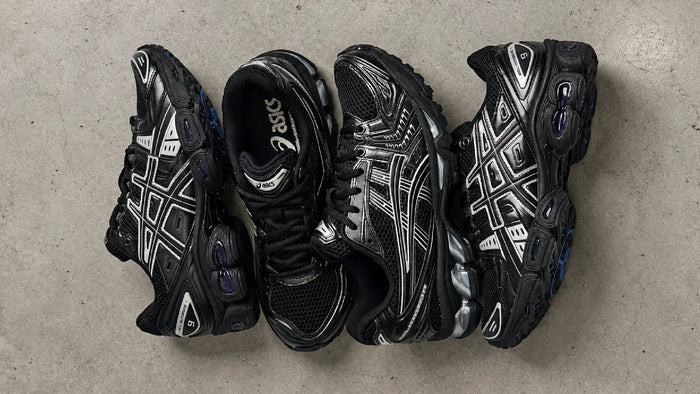
Why Limited Edition Sneakers Continue to Shape Sneaker Culture
A sneaker can be designed to run, train, walk or simply complete an outfit. But some sneakers become more than footwear. They become objects that people follow, discuss, collect and remember. Limited-edition sneakers have played an important role in that transformation, helping turn everyday footwear into part of a much wider cultural conversation.
Their influence is not simply about having fewer pairs available. Limited releases create a sense of exclusivity, but their cultural importance comes from what develops around them: anticipation, identity, style, community and a shared interest in the evolution of footwear. They show how a practical object can acquire meaning far beyond its original function.
From Footwear to Cultural Object
Sneakers have always had a practical purpose. They were created for movement, sport and comfort, with performance often determining how they were designed. Over time, however, sneakers moved beyond the environments for which they were originally intended.
They became part of everyday dressing. A particular silhouette could change the character of an outfit, while a distinctive colourway or design could become a way of expressing personal taste. Sneakers gradually became something people chose not only for what they could do, but also for what they represented.
Limited editions accelerated this transition. When a sneaker is produced in restricted numbers, it can feel less like an ordinary retail product and more like something specific and difficult to encounter. Its design, story and circumstances surrounding its release become part of its identity.
That does not automatically make every limited sneaker culturally important. Scarcity can create attention, but lasting relevance usually depends on something more.
The shift from performance footwear to everyday fashion did not happen overnight. Athletic sneakers became increasingly visible outside sport during the second half of the twentieth century, as particular models became associated with music, youth culture, street style and changing ideas of everyday dress. This history helps explain why sneakers can now carry cultural meaning that extends well beyond their original sporting purpose.
Why Exclusivity Matters
Exclusivity has always been part of the appeal of limited-edition sneakers. Knowing that a particular release will not be widely available changes how people perceive it.
A limited release can create anticipation before anyone has even seen it in person. People follow announcements, examine images, discuss details and wait for the opportunity to buy a pair. The release itself becomes an event rather than a simple transaction.
This sense of participation is important. The appeal is not only owning something that fewer people have. It is also being involved in a moment that other people within sneaker culture are following at the same time.
Exclusivity therefore becomes a social and cultural signal. A limited sneaker can communicate knowledge, taste, interest or connection to a particular part of sneaker culture. It can make the footwear itself part of a conversation.
The modern limited-release model has also changed how people experience sneaker launches. Raffles, restricted quantities, selective retail distribution and collaborations have made certain releases feel closer to cultural events than conventional product launches. The result is a stronger sense of anticipation, particularly among people who closely follow specific brands, designers and sneaker communities.
The Culture Around the Release
One of the most significant changes in sneaker culture has been the transformation of the release into an experience.
A limited sneaker can generate attention long before it reaches stores. Images circulate, people discuss the design, collaborations are analysed and release information is followed closely. After the launch, the conversation continues through photographs, styling, reviews and personal experiences.
This creates a cycle in which the sneaker exists simultaneously as a physical object and as a subject of conversation.
That distinction matters. A widely available sneaker can be appreciated for its design or comfort, but a limited release can create a stronger sense of collective participation. People are not simply wearing the same type of footwear; they are following the same cultural moment.
Style Is Part of the Story
Sneaker culture is also inseparable from the way people dress.
A sneaker can influence an outfit rather than simply complete it. Its shape, proportions, materials and colour can determine how the rest of a look comes together. Certain silhouettes can become associated with particular styles, scenes or periods.
Limited editions often intensify this relationship between footwear and personal identity. Wearing a distinctive release can become a way of showing individual taste while also signalling an awareness of the wider culture surrounding sneakers.
This is one reason sneaker culture cannot be reduced to collecting. Someone does not need a large collection to participate in it. For some people, the most important part is how footwear fits into their personal style and everyday life.
Sneakers have become especially influential because they can move between traditionally different areas of dress. A silhouette originally developed for sport can later appear in streetwear, contemporary fashion or everyday wardrobes without losing its connection to its original identity. That versatility has helped footwear become one of the most visible ways people communicate personal style.
Sneaker Culture Is Bigger Than Fashion
Although fashion is an important part of sneaker culture, it is only one part of it.
The history of sneakers is still connected to sport and performance. Training, running and other forms of physical activity continue to influence how footwear is designed and how people relate to it. Performance sneakers can become culturally significant because of what they represent in sport as well as what they look like outside it.
At the same time, sneakers have become part of lifestyle culture. People wear them while travelling, working, socialising or simply going through everyday life. The same footwear can move between different environments and mean something different to each person.
This flexibility is part of what makes sneaker culture so durable. It can adapt to different interests without losing its connection to footwear.
Collecting Creates Another Layer
For collectors, limited-edition sneakers can have an entirely different significance.
A collector may be interested in a model because of its history, collaboration, design, release context or place within a particular era of sneaker culture. The physical sneaker becomes a way of preserving part of that history.
But collecting is only one expression of sneaker culture. The existence of collectors helps document and preserve important releases, yet someone can be deeply engaged with sneakers without considering themselves a collector.
Following releases, understanding different silhouettes, appreciating design or simply knowing why a particular sneaker matters can all be forms of participation.
The growth of sneaker collecting has also created a deeper interest in provenance, original releases, collaborations and design history.
For collectors, details such as the year of release, the people involved in a collaboration or the cultural context surrounding a model can become part of the significance of the physical pair. In this way, sneakers can function as tangible records of different moments in footwear culture.
Community Gives Sneakers Their Meaning
Perhaps the strongest reason limited-edition sneakers continue to influence sneaker culture is the community that develops around them.
Sneakers give people a shared subject. They create conversations between people with different interests, backgrounds and reasons for wearing footwear. Some are interested in design. Others care about performance, history, collaborations, styling or collecting.
Limited releases bring these interests together because they create moments that people can experience collectively.
That community also gives sneakers meanings that cannot be found in the product itself. A sneaker may have a particular cultural importance because of who wore it, where it appeared, what it was associated with or what it represented when it was released.
In that sense, culture is not simply attached to the sneaker by a brand. It develops through the people who wear it, discuss it, remember it and give it context.
The sneaker community has also expanded far beyond physical stores and traditional fashion spaces. Online forums, social platforms, specialist publications, events and dedicated communities allow people to follow releases and discuss design, history and cultural relevance across borders. This constant exchange means that the significance of a sneaker can continue developing long after its original release.
Why Some Limited Sneakers Last Beyond the Hype
Not every limited-edition sneaker becomes an important part of sneaker culture.
Scarcity can create immediate attention, but attention does not always become lasting relevance.
This distinction is central to understanding why some sneakers become collectables, as lasting interest usually depends on more than simply being difficult to obtain.
Some releases are heavily discussed when they launch and then quickly disappear from the wider conversation.
The sneakers that remain culturally meaningful usually have something more behind them. They may introduce an influential design, represent an important collaboration, connect with a particular cultural moment or become closely associated with a community.
This is why limited availability should be understood as a catalyst rather than the entire explanation. Being difficult to obtain can make a sneaker noticeable, but cultural meaning is what can make it memorable.
Limited Editions Keep Sneaker Culture Moving
Sneaker culture continues to evolve because footwear continues to move between different worlds.
A performance shoe can become a lifestyle staple. A fashion collaboration can introduce a classic silhouette to a new audience. A limited release can become a collector's object while remaining part of everyday style. A sneaker associated with one generation can later be rediscovered by another.
Limited editions help keep this movement visible. They create moments of attention that encourage people to look more closely at footwear, its history and its possibilities.
That is ultimately why their influence extends beyond the idea of scarcity. Limited-edition sneakers demonstrate how footwear can become a cultural object: something people use, wear, discuss, collect and connect with.
The sneaker may begin as a utilitarian product, but its meaning can grow through the people and communities that surround it. Exclusivity may start the conversation, but culture is what allows that conversation to continue.