ASICS Trainers: A Guide to the Brand, Key Models and How They Fit
Understanding the ASICS Universe
ASICS can be surprisingly difficult to navigate, even for someone who already knows the brand. The catalogue brings together familiar names such as GEL-Kayano, GEL-Nimbus, GEL-1130 and GT-2160, alongside different technologies, generations, collaborations and running-inspired silhouettes. Once you look beyond the name on the tongue, each model belongs to a slightly different part of the ASICS story.
That is why choosing an ASICS trainer is not always simply a question of which one looks best or feels most comfortable. The more useful question is what each model represents, how it was originally designed to be used, and how that identity has evolved as ASICS has moved between performance running, everyday footwear and sneaker culture. Understanding those differences makes the catalogue much easier to read.
For someone entering the ASICS universe today, the challenge is therefore less about memorising model numbers and more about understanding the language behind them. This guide looks at the brand through its technologies, trainer families, running heritage, visual identity and cultural relevance, helping to make sense of where the major silhouettes sit and why they appeal to different types of wearer.
What Is ASICS Known For?
ASICS has its foundations in performance footwear, with a history closely connected to running and sports science. That background remains important even when looking at models that are now worn primarily as lifestyle sneakers. Much of the brand's visual identity comes from the structures originally developed to provide cushioning, support, stability and a more controlled running experience.
This gives ASICS a different starting point from brands whose most recognisable lifestyle sneakers were designed primarily as fashion or casual footwear. Many of the silhouettes that have become important in contemporary sneaker culture retain visible traces of their technical origins: layered mesh, synthetic overlays, segmented midsoles, engineered structures and the distinctive proportions associated with performance running shoes.
That connection between function and appearance is one of the reasons ASICS has become so relevant beyond running. The technical details were not added simply to create a particular aesthetic. They came from an existing product language designed to solve performance problems, and that language later became visually desirable in its own right.
From Performance Running to Lifestyle
The relationship between ASICS running footwear and contemporary sneaker culture becomes particularly clear when looking at the brand's archive from the late 1990s and 2000s. Running shoes from this period developed a distinctive visual vocabulary: layered construction, complex sole units, engineered mesh and increasingly technical-looking silhouettes.
As fashion moved towards retro running and Y2K references, those characteristics became desirable outside their original context. Older performance models and their design influences could be worn as everyday sneakers, where cushioning and comfort remained useful but the visual appeal became just as important.
This is central to understanding modern ASICS. The brand did not have to invent a technical aesthetic for lifestyle footwear. It already had decades of performance design to draw from. Models that now appear naturally at home alongside contemporary streetwear often carry a direct connection to the running shoes that established ASICS' technical identity.
That transition also explains why two ASICS trainers can look very different while belonging to the same broader culture. One may be appreciated primarily for cushioning and everyday comfort, another for its stability heritage, and another for its strong Y2K running aesthetic. Their differences are part of what makes the wider ASICS catalogue interesting.
ASICS Technologies: What Does GEL Actually Mean?
Technology is an important part of the ASICS identity, but the terminology can make the catalogue appear more complicated than it needs to be. GEL is one of the most recognisable elements of the brand and refers to cushioning technology designed to help absorb impact.
For the consumer, the important point is not to memorise every technical specification. GEL represents the engineering heritage behind many ASICS trainers and helps explain why the brand's performance history remains relevant to its lifestyle models. The technology is part of a wider approach to comfort and impact management rather than simply a visual feature.
This distinction matters because the technical appearance of ASICS trainers often has a genuine product story behind it. The layered upper, structured midsole and visible components can contribute to the visual identity of the shoe, but they also reflect a culture of footwear engineering that existed before these silhouettes became fashionable.
Understanding that background makes it easier to look at an ASICS trainer and see more than its colourway. The design language is often a record of what the shoe was originally built to do.
The Main ASICS Trainer Families
The easiest way to understand the ASICS catalogue is not to treat every model as an isolated product. The major families have different identities, and those identities give the wearer a useful starting point when deciding what kind of ASICS trainer they are actually looking for.
GEL-Nimbus: Cushioning and Comfort
The GEL-Nimbus sits strongly within the cushioning side of the ASICS running story. Its identity is associated with a softer, more comfort-focused ride, making the family relevant to runners while also explaining why its design language can appeal to people looking for substantial everyday comfort.
For someone approaching ASICS from a lifestyle perspective, Nimbus is useful as a reference point for understanding the brand's cushioning-oriented side. It represents the idea that comfort can be a defining characteristic of a trainer rather than simply an additional feature.
GEL-Kayano: Stability and Support
GEL-Kayano occupies a different position. The family is closely associated with stability and support, reflecting its performance-running origins and its role in helping runners who need a more structured shoe.
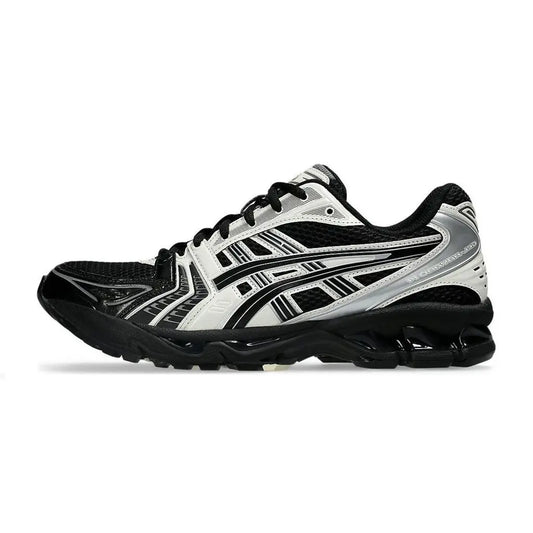
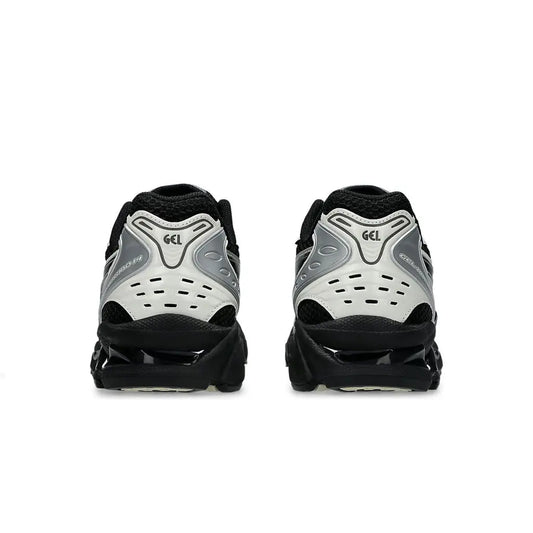
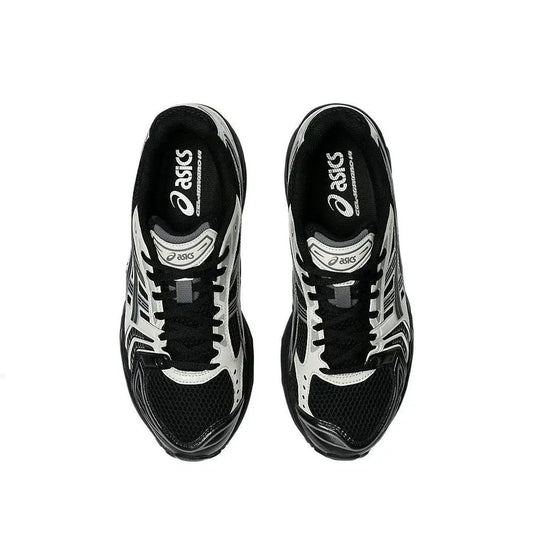
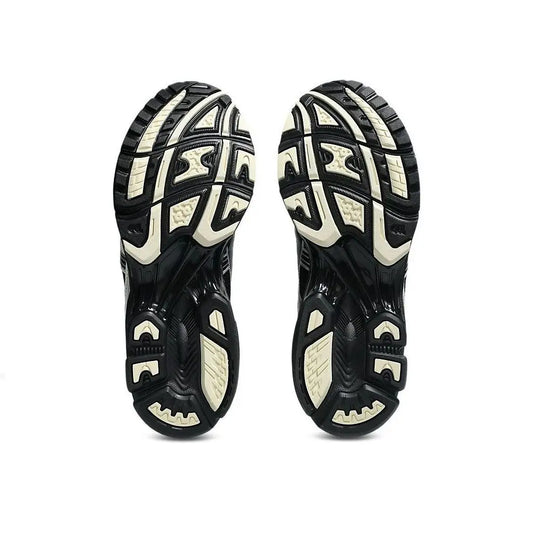
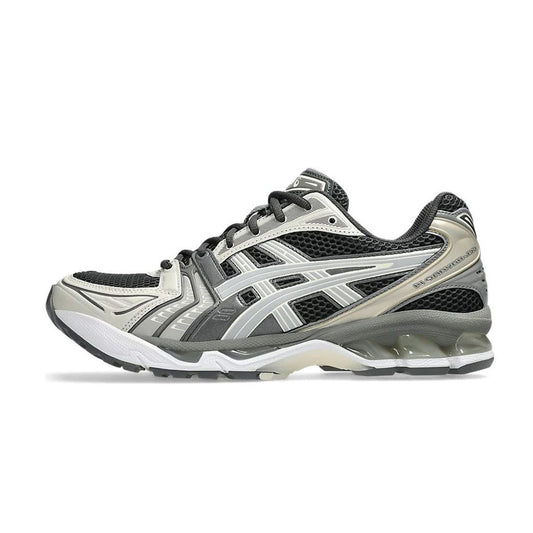
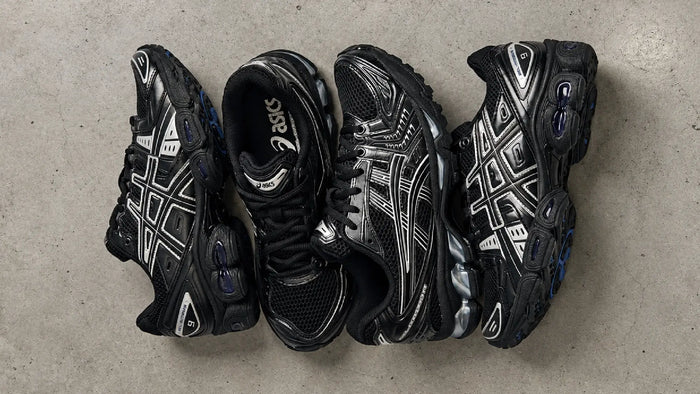
That engineering background has also given Kayano an increasingly recognisable visual identity. Models such as the GEL-Kayano 14 have become particularly relevant within contemporary sneaker culture because their technical construction fits naturally into the wider Y2K and retro-running movement.
The appeal therefore works on two levels. For one wearer, Kayano can be understood through stability and support; for another, the same family represents a distinctive technical aesthetic with strong running heritage.
GEL-Cumulus: Balanced Everyday Running
The GEL-Cumulus sits closer to the balanced side of the ASICS running range. Rather than being defined by one highly specific visual or technical characteristic, the family has traditionally occupied a versatile position within the brand's performance offering.
That makes Cumulus useful for understanding another part of the ASICS philosophy: not every model is designed around an extreme identity. Some are intended to provide a balanced combination of cushioning, comfort and everyday running practicality.
GT Series: Stability With a Technical Identity
The GT series adds another important part of the stability story. Its running heritage gives it a more structured identity, while models across the family demonstrate how performance construction can produce the technical visual language that has become increasingly important in lifestyle sneakers.
This is where the distinction between performance purpose and visual appeal becomes particularly useful. A shoe can have been designed for running while also becoming attractive to a wearer who is primarily interested in its shape, layered construction and technical character.
GEL-1130: Archive Running Meets Everyday Style
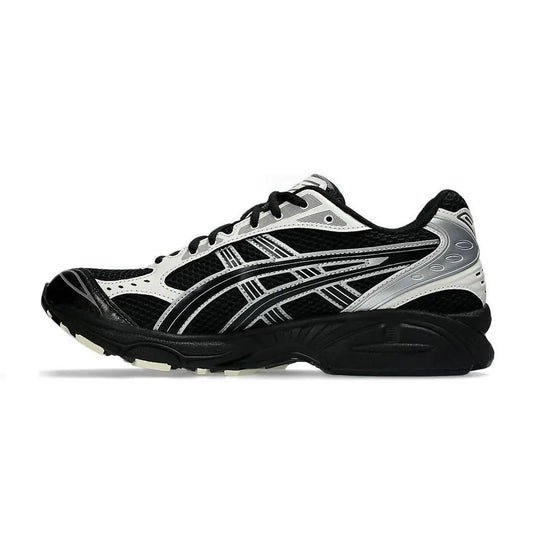
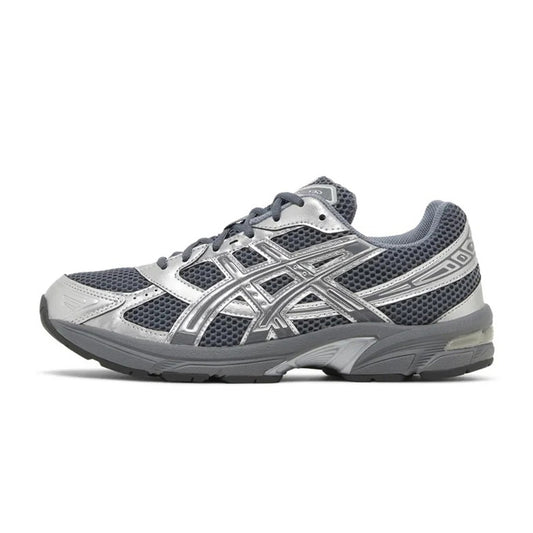
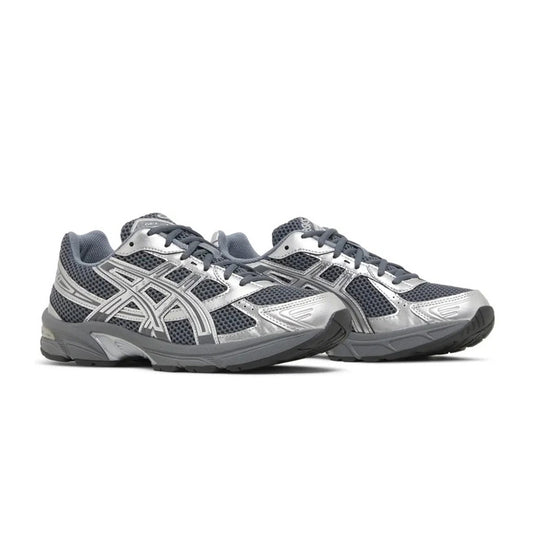
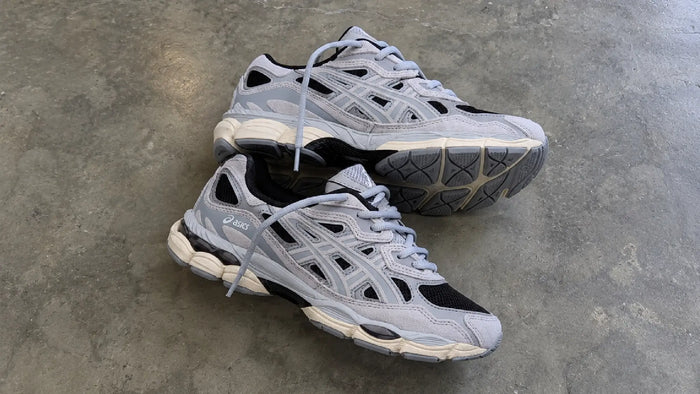
The GEL-1130 is one of the clearest examples of ASICS' transition from performance archive to lifestyle relevance. Its design comes from the world of 2000s running, but its proportions and relatively straightforward construction make it easy to understand as an everyday sneaker.
Within the broader ASICS catalogue, the GEL-1130 can be seen as a more accessible expression of the retro-running aesthetic. It carries enough technical detail to feel unmistakably ASICS, while remaining versatile enough to work across different everyday wardrobes.
GT-2160: A More Technical Expression
The GT-2160 shares some of the same Y2K running DNA but pushes the visual language in a more technical direction. Its segmented construction and more pronounced sole structure give it a sharper, more engineered appearance.
This makes the comparison between the GEL-1130 and GT-2160 particularly useful. They may occupy similar cultural territory, but they communicate different personalities. The 1130 can feel cleaner and easier to wear, while the 2160 leans further into the technical, segmented and industrial side of retro running.
Neither approach is inherently better. The difference is about what the wearer wants the sneaker to communicate.
Choosing ASICS by Personality, Not Just by Model Number
Once the major families are understood, the catalogue becomes easier to navigate. Instead of asking only which ASICS model is most popular, it is more useful to consider what role the trainer needs to play.
Some silhouettes sit naturally in the territory of everyday comfort and understated style. Others make their technical construction much more visible and become stronger statements within a Y2K or performance-inspired wardrobe. Some remain closely connected to running, while others have moved much further into lifestyle and sneaker culture.
This is why models such as the GEL-1130 and GEL-NYC can make sense to someone interested primarily in everyday wear and contemporary sneaker styling, while silhouettes such as the GT-2160 or GEL-Kayano 14 can appeal more strongly to someone drawn to a pronounced technical running aesthetic.
The same logic applies when looking beyond the most familiar models. Collaborations, archive references and more experimental silhouettes can take ASICS into a more fashion-driven or collector-oriented space. Understanding the broader language of the brand allows the wearer to recognise those differences rather than seeing every ASICS trainer as simply another version of the same sneaker.
GEL-1130 vs GT-2160: Two Sides of the Y2K Running Look
The GEL-1130 and GT-2160 are a useful example of why model numbers alone do not tell the whole story.
Both draw from ASICS' running archive and both fit naturally within the contemporary revival of early-2000s performance footwear. Yet their visual personalities are different. The GEL-1130 has a comparatively straightforward silhouette that makes its retro-running influence easy to integrate into an everyday rotation. The GT-2160 exposes more of the technical structure, giving it a more segmented and engineered appearance.
For someone choosing between them, the decision therefore does not have to be based purely on specifications. It can also be about visual language. If the attraction is a cleaner interpretation of retro running, the 1130 may make more sense. If the appeal lies in visible technical construction and a more pronounced Y2K performance aesthetic, the GT-2160 offers a different expression of the same broader heritage.
This way of comparing ASICS models is useful across the catalogue. Rather than treating each trainer as an isolated product, it allows the wearer to understand where it sits within the brand and what kind of aesthetic or experience it represents.
ASICS and the Rise of Technical Sneakers
ASICS' relevance to contemporary sneaker culture cannot be separated from the wider movement towards technical footwear. Over time, details that were once associated almost exclusively with performance became desirable within fashion: engineered mesh, layered uppers, complex midsoles and visibly functional construction.
Designers and collaborators played an important role in that shift. The work associated with Kiko Kostadinov, in particular, helped bring ASICS' technical design language into a more fashion-focused environment and contributed to the way certain ASICS silhouettes were perceived outside traditional running culture.
That cultural influence does not mean every ASICS wearer is looking for a collaboration or a rare release. For many people, the more interesting question is what sits underneath that visual language. Why does a general-release GEL-1130 or GT-2160 feel connected to the same world as more experimental ASICS collaborations? The answer lies partly in the continuity of the brand's design vocabulary.
The archive provides the foundation. Collaborations and fashion provide new interpretations of it.
How Do ASICS Trainers Fit?
Fit is another area where understanding the family matters. There is no single answer that describes every ASICS trainer because construction, intended use, upper materials and foot shape can all influence how a model feels.
A running-oriented model may prioritise a different relationship between the foot and the shoe than a lifestyle silhouette derived from an older performance design. Even within the same brand, differences in toe-box space, width and upper structure can affect whether a trainer feels ideal for a particular foot.
For a more detailed explanation of sizing, toe-box room, width and how to choose an ASICS size when buying online, see our ASICS sizing guide. The important point here is that knowing the model family can help you understand what kind of fit experience to expect before you get to the question of which size to order.
Finding Your Place Within the ASICS Universe
The appeal of ASICS is partly that there is no single way to wear the brand. Someone can arrive through running performance, everyday comfort, Y2K styling, technical fashion, collaborations or simply an interest in the history of modern sneakers. Each route leads to a different part of the catalogue.
That makes the brand more interesting than a simple list of bestselling models. GEL-Nimbus, GEL-Kayano, GEL-Cumulus and the GT series show different sides of ASICS' performance heritage, while silhouettes such as the GEL-1130, GT-2160 and GEL-NYC demonstrate how that heritage has been absorbed into contemporary lifestyle culture.
The more familiar you become with those relationships, the easier it becomes to understand why particular models appeal to you. You start to recognise the difference between cushioning and stability, between a cleaner retro-running silhouette and a more technical one, and between a trainer chosen primarily for its original performance purpose and one valued for the cultural life that developed around it.
Choosing Your First ASICS Trainer
There is no universal starting point for ASICS. The better starting point is to identify what has brought you to the brand in the first place.
If comfort and cushioning are the priority, the Nimbus family provides a useful entry into that side of ASICS. If stability and a more structured running heritage matter more, Kayano and the GT series offer a different direction. If the attraction is primarily the visual language of early-2000s running, models such as the GEL-1130 and GT-2160 show how that archive has been translated into contemporary everyday sneakers.
For someone coming from sneaker culture rather than running, the most important distinction may be aesthetic rather than technical. The question becomes whether you prefer a cleaner retro shape, a more visible technical construction, a substantial cushioned profile or a silhouette with stronger connections to ASICS' fashion and collaboration history.
The advantage of understanding the brand this way is that you do not have to choose a model simply because it is popular. You can choose it because you understand what it represents and why that particular expression of ASICS belongs in your rotation.
Understanding ASICS Before Choosing the Model
The ASICS catalogue makes more sense once its names and technologies are connected to the stories behind them. GEL-Nimbus and GEL-Kayano represent different approaches to performance and comfort. The GT family brings stability and technical construction into the picture, while silhouettes such as the GEL-1130 and GT-2160 show how the brand's running archive has become part of contemporary sneaker culture.
That evolution is ultimately what makes ASICS distinctive. Its lifestyle relevance was not built separately from its performance identity. Much of the visual language that attracts today's sneaker audience grew directly from the engineering, running culture and product development that shaped the brand in the first place.
Understanding that connection gives you a better way to look at ASICS. Instead of seeing a catalogue full of model numbers, you begin to see different expressions of the same broader universe: performance, comfort, technical design, running heritage and sneaker culture.
And that is the most useful starting point when deciding which ASICS trainer makes sense for you.