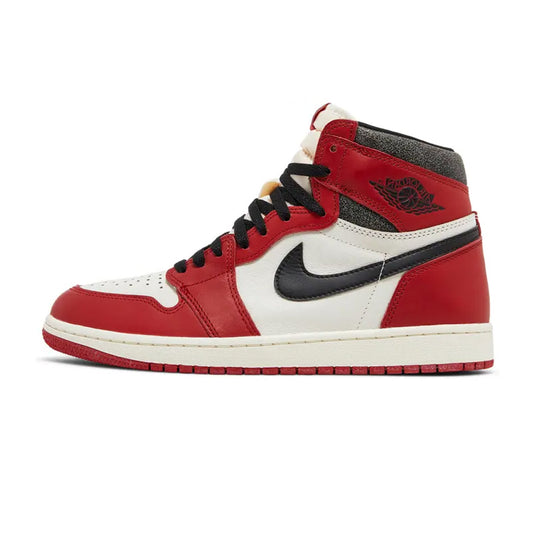
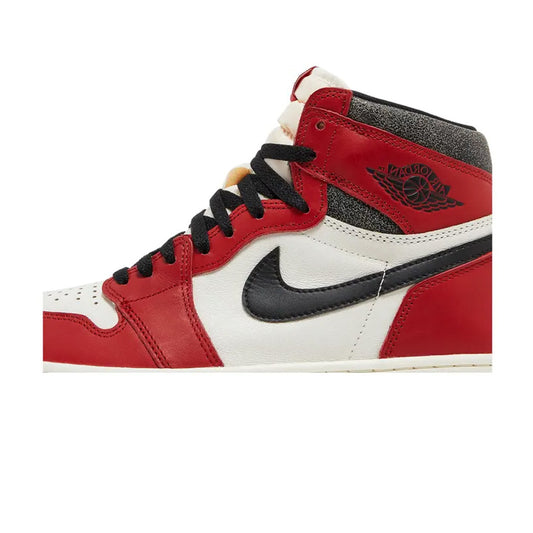
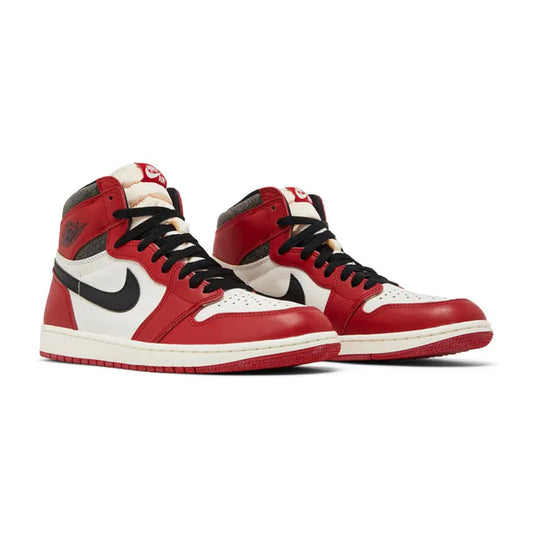
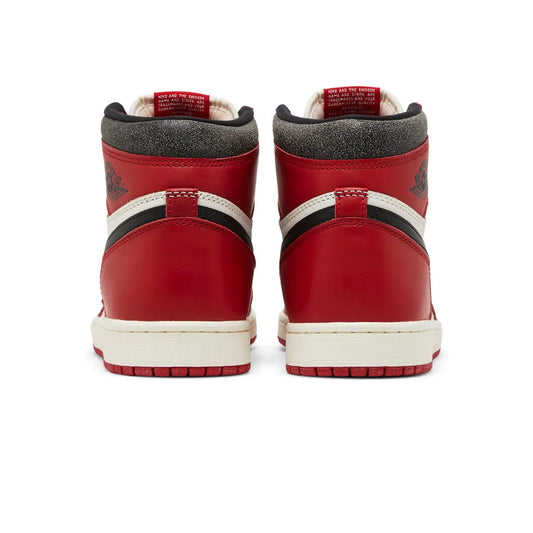
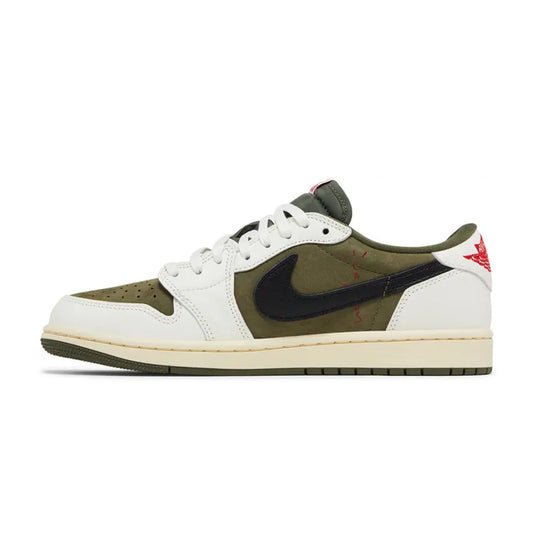
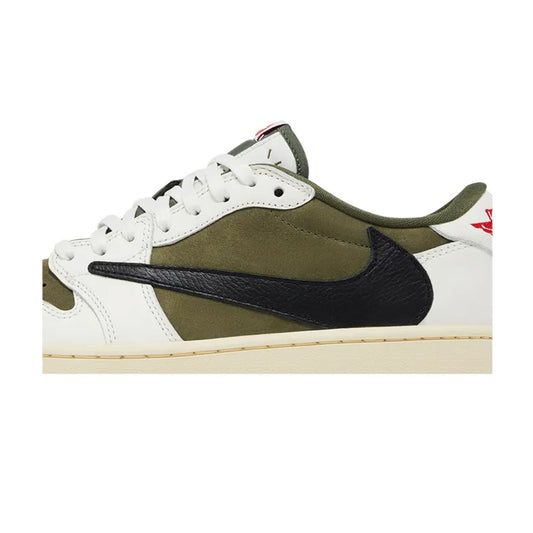
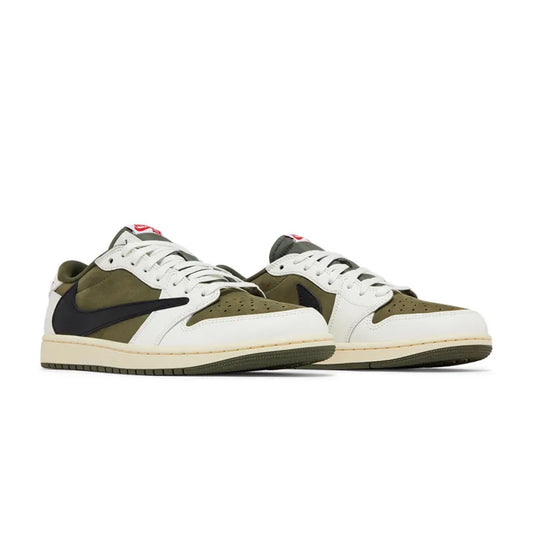
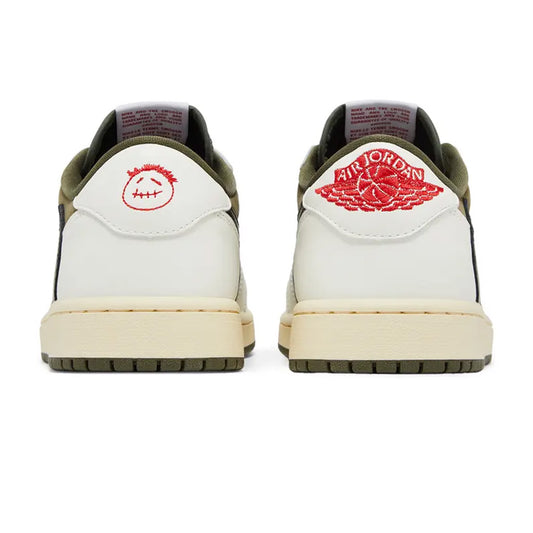
Air Jordan 1 Sizing Guide: Finding Your Best Fit
Finding the right size for an Air Jordan 1 can be more complicated than simply choosing your usual size.
The silhouette has been around since 1985, becoming one of the most influential designs in sneaker history and a lasting part of the Air Jordan 1's cultural significance.
While the underlying design has remained remarkably consistent, differences in materials, construction and individual foot shape can affect how a particular pair feels on foot.
For most people, the Air Jordan 1 is considered true to size, making your usual Nike size a sensible starting point. However, that does not mean the same size will feel identical for everyone.
Your foot width, instep, preferred amount of toe room, the version of the Air Jordan 1 you are buying and the materials used can all influence the fit.
Whether you are buying your first pair or adding another Air Jordan 1 to your collection, understanding these factors can help you choose your size with greater confidence.
Do Air Jordan 1s Run True to Size?
For most people, Air Jordan 1s fit true to size.
If you already know your usual Nike size and are comfortable wearing it, starting with that size is generally the most sensible option.
However, "true to size" should be treated as a starting point rather than a universal rule.
Two people wearing the same numerical size can have very different experiences depending on:
-
Foot width
-
Foot length
-
Instep height
-
Toe shape
-
Preferred amount of room
-
Socks worn
-
How the trainers will be used
Some people prefer a close, secure fit, while others prefer more room around the toes for everyday wear.
This is why online sizing advice can sometimes appear contradictory. One person may recommend staying true to size while another prefers going up by half a size. Both may be describing their own experience rather than a universal sizing rule.
The best Air Jordan 1 size is the one that gives your foot enough room without creating unnecessary movement inside the shoe.
How Does the Air Jordan 1 Fit Compared With Other Trainers?
The Air Jordan 1 has a more structured feel than many modern trainers.
Its origins as a basketball shoe are still evident in the construction. Rather than using a soft, highly flexible knit upper like some contemporary lifestyle trainers, the Air Jordan 1 uses a more structured upper, traditional panel construction and a cupsole.
As a result, the shoe can initially feel firmer around the foot.
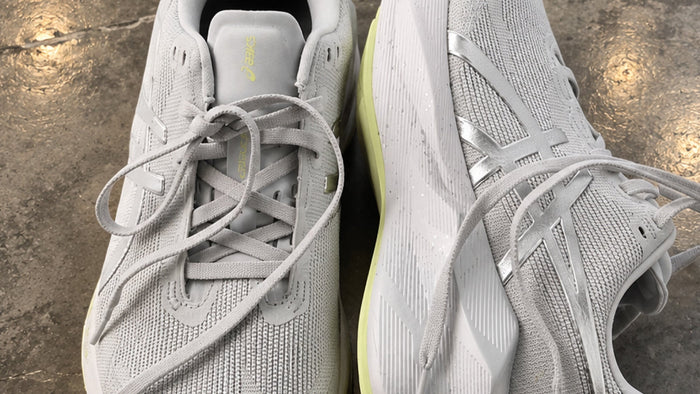
If you are used to lightweight running trainers or flexible lifestyle shoes, an Air Jordan 1 may feel relatively snug or structured when you first put it on.
If you're comparing Nike silhouettes, a Nike Dunk sizing guide can also be useful for understanding how a different classic model feels in terms of fit and proportions.
That does not necessarily mean you need a larger size.
The sensation is partly a result of the shoe's construction and the materials used.
Understanding this difference is particularly important for first-time buyers, who may otherwise interpret the initial firmness as evidence that they have chosen the wrong size.
How Much Room Should You Have in an Air Jordan 1?
A well-fitting Air Jordan 1 should feel secure without creating uncomfortable pressure.
Your toes should have enough room to sit naturally without being compressed against the front of the shoe.
At the same time, you should not have so much space that your foot moves excessively inside the trainer.
When trying on a pair, pay attention to:
-
Pressure across the forefoot
-
Contact between your longest toe and the front of the shoe
-
Movement around the heel
-
Pressure across the instep
-
How securely the midfoot feels
-
Whether your toes can move naturally
A small amount of initial firmness is not necessarily a problem, particularly with new leather.
Persistent pressure, numbness or painful contact is a different matter.
Comfortable support is the goal — not the tightest possible fit.
Do Air Jordan 1 High, Mid and Low Fit the Same?
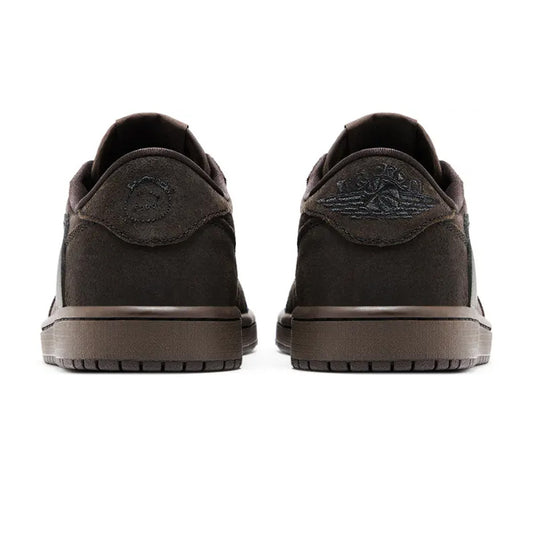
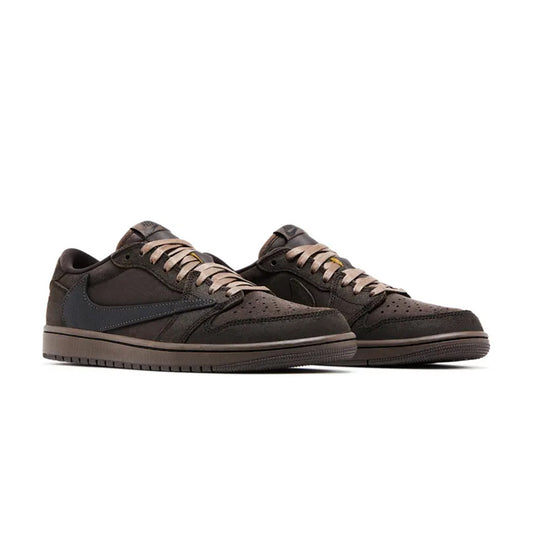
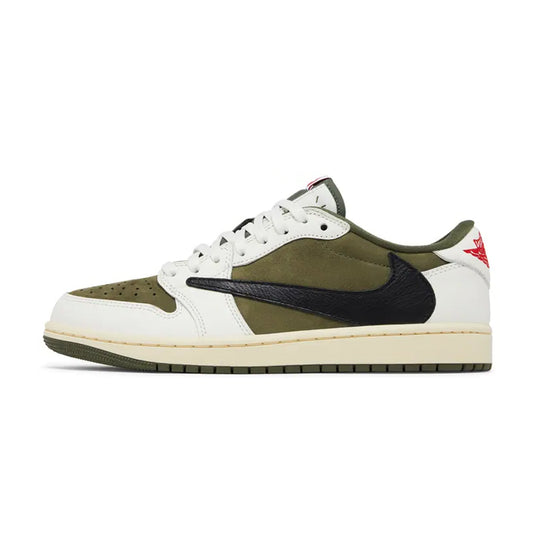
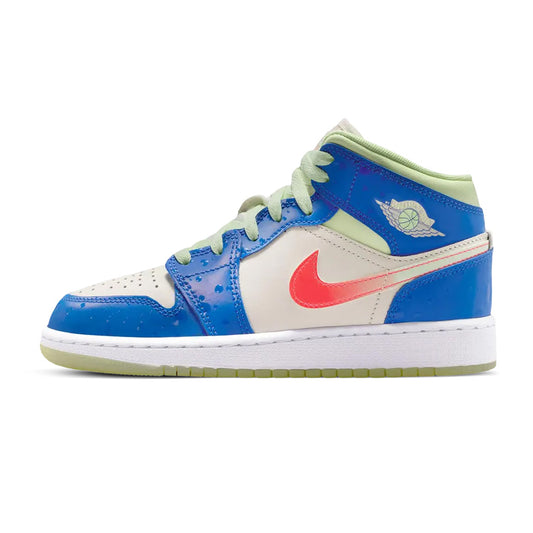
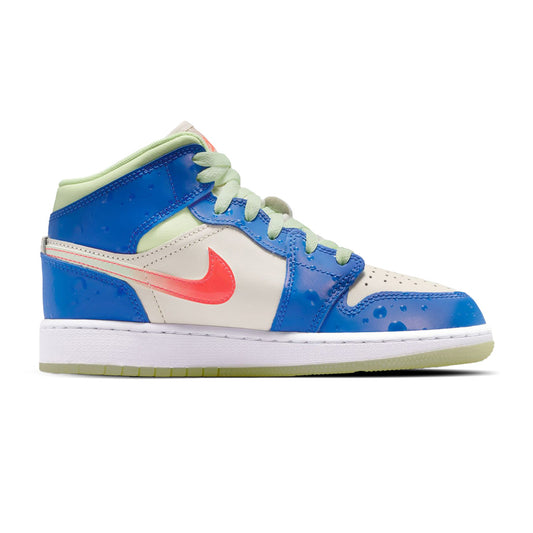
Air Jordan 1 High, Mid and Low models share the same design heritage, but they can feel different when worn.
Air Jordan 1 High
The High provides greater ankle coverage and has a more substantial collar structure.
This can create a more secure feeling around the ankle, particularly when the laces are tightened.
The additional structure can make the shoe feel more substantial, but it does not necessarily mean that you need to change your usual size.
Air Jordan 1 Mid
The Mid retains much of the familiar Air Jordan 1 construction while offering a slightly different ankle profile.
For many wearers, the overall sizing remains familiar, although the way the collar sits can change the perceived fit.
Air Jordan 1 Low
The Low removes much of the ankle coverage found on the High and Mid.
This creates a more open and relaxed sensation around the ankle, although the underlying length and width of the shoe remain important considerations.
The difference between High, Mid and Low is therefore often more noticeable in how the shoe feels around the ankle than in its basic length.
Do Air Jordan 1s Fit Wide Feet?
If you have wider feet, the Air Jordan 1 may feel snug across the forefoot, particularly when the leather is new.
The structured upper does not provide the same immediate flexibility as some softer modern trainers.
For some people with wider feet, going up by half a size can provide the additional room they prefer.
However, sizing up also increases the overall length of the trainer.
That means going up a size is not automatically the right solution for a wide foot.
If possible, consider both your foot width and length rather than focusing exclusively on the amount of room across the forefoot.
What if you have narrow feet?
People with narrower feet will often find their usual size provides a secure fit.
If the shoe feels excessively loose, changing how tightly you lace it may help before considering a different size.
Again, the aim is to create a secure fit without unnecessarily changing the length of the trainer.
Does Foot Shape Affect Air Jordan 1 Sizing?
Absolutely.
Foot length is only one part of sizing.
Two people can have the same foot length but require different amounts of space because of differences in:
-
Forefoot width
-
Instep height
-
Arch shape
-
Toe shape
-
Overall foot volume
This explains why one person's sizing recommendation may not work for another buyer.
Someone with a narrow, low-volume foot may prefer a closer fit, while someone with a wider or higher-volume foot may need additional room.
Understanding your own foot shape is therefore more useful than simply following a generic recommendation to size up or down.
Do Different Air Jordan 1 Materials Change the Fit?
They can change how the shoe feels, particularly during the first few wears.
Air Jordan 1 releases can use different types of leather, suede, textiles and other materials. These materials vary in flexibility, softness and how quickly they adapt to the foot.
Understanding how different sneaker materials behave can also help explain why the same size may feel slightly different between releases.
For example, a firmer leather upper may initially feel more structured, while softer materials can feel more accommodating from the first wear.
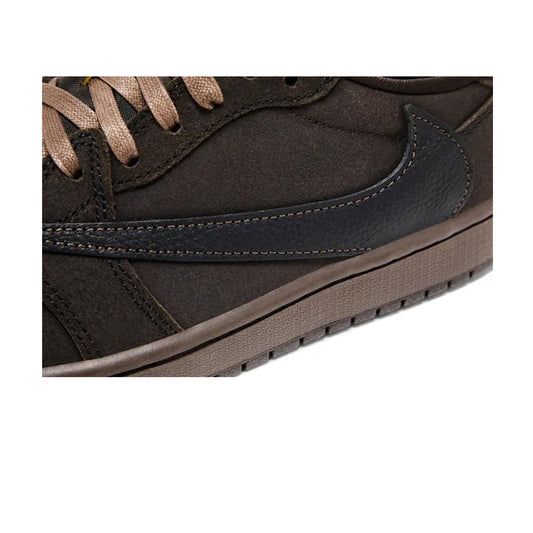
Premium and collaborative releases can introduce particularly distinctive materials and finishes.
These differences do not necessarily mean you should change your size.
Instead, they can influence the initial comfort and break-in experience.
This is why two authentic Air Jordan 1s in the same size can feel slightly different without either pair being incorrectly sized.
Do Air Jordan 1s Need a Break-In Period?
They can.
Compared with softer knit or mesh trainers, a new Air Jordan 1 can feel relatively firm when first worn.
Leather and other upper materials can gradually become more flexible with use, allowing the shoe to adapt more naturally to the shape of your foot.
This means a pair that feels structured on its first wear may become more comfortable after several outings.
However, there is an important distinction between normal break-in and an incorrect size.
A new pair can feel firm.
It should not cause persistent pain, significant pressure or numbness.
If the trainer is genuinely too small, wearing it repeatedly will not turn an unsuitable size into a suitable one.
Should You Size Up in Air Jordan 1s?
For most people, there is no need to automatically size up.
Your usual Nike size is generally the best starting point.
Sizing up by half a size may be worth considering if:
-
You have wider feet
-
You prefer more room around the toes
-
You regularly wear thicker socks
-
Your usual size creates uncomfortable pressure across the forefoot
-
You have previously found Nike trainers too narrow in your standard size
But remember that sizing up increases the overall length as well as the available width.
If your standard size already fits comfortably, there is usually little reason to change it simply because someone else recommends sizing up.
How Should Air Jordan 1s Feel When You First Try Them On?
A new Air Jordan 1 should feel secure and structured rather than excessively loose.
When standing, walking and moving naturally, check whether:
-
Your toes have comfortable space
-
Your heel stays reasonably secure
-
Your foot does not slide excessively
-
There are no painful pressure points
-
The forefoot feels supported rather than compressed
-
The upper feels structured but not restrictive
Try the trainers with the type of socks you expect to wear with them.
This matters more than many buyers realise.
A pair that feels perfect with thin socks may feel significantly tighter with thicker everyday socks.
How to Choose Your Air Jordan 1 Size When Buying Online
Buying trainers online makes sizing more difficult because you cannot try the pair on before purchasing.
Fortunately, understanding how to buy sneakers online /journal/how-to-buy-sneakers-online/ can help you evaluate sizing information, seller details and product descriptions before placing an order.
If you're ready to shop for an Air Jordan 1 online, checking the available sizes, current prices and product details before buying can help you choose with greater confidence.
Start with a size you already know
If you already own Nike trainers that fit you comfortably, use them as a reference.
Check the size and, where available, compare the measurements against Nike's official sizing information.
Measure your feet
If you are uncertain about your size, measure both feet.
Do this towards the end of the day when your feet may be slightly larger than they are first thing in the morning.
Measure from the heel to the longest toe and compare the result with the relevant manufacturer's size chart.
If your feet are different sizes, use the larger foot as your primary reference.
Check the specific release
Sizing advice for one Air Jordan 1 release should not automatically be applied to every other release.
Materials, construction and collaborations can influence the wearing experience.
Look for reviews or sizing information relating to the specific model or release whenever possible.
What If You Are Between Sizes?
If your foot measurement falls between sizes, your decision should depend on your foot shape and preferred fit.
If you have wider feet or prefer additional room, the larger size may feel more comfortable.
If you have narrower feet and prefer a closer fit, the smaller size may work better.
However, this is one situation where trying the trainers on, if possible, is considerably more reliable than following a generic online recommendation.
Should You Wear Thick Socks With Air Jordan 1s?
The socks you wear can influence how your Air Jordan 1s feel.
Thicker socks naturally occupy more space inside the shoe and can make a close-fitting pair feel tighter.
If you normally wear thicker sports or crew socks, take this into account when choosing your size.
The best approach is to assess the fit using the socks you are most likely to wear regularly rather than choosing a size based on how the shoe feels barefoot or with an unusually thin sock.
Comfort Should Come Before Following Online Sizing Advice
It is easy to become overly focused on whether you should "go up half a size" or "stay true to size".
But sizing recommendations are not universal.
Your feet are unique, and your preferred fit may also be different from another buyer's.
A comfortable Air Jordan 1 should feel secure without creating painful pressure.
If your usual size fits comfortably, there is little reason to change it simply because an online discussion recommends a different size.
Your own fit experience is more valuable than a generic rule.
Your Previous Nike Trainers Are One of the Best References
If you already own Nike trainers that fit well, they can provide useful context when choosing an Air Jordan 1.
This is particularly helpful if you already wear models with similar proportions or construction.
However, do not assume that every Nike silhouette will fit identically.
Different models are designed around different lasts, materials and intended uses.
Your previous Nike size should therefore be treated as a useful starting point, not an absolute guarantee.
Finding Your Best Air Jordan 1 Fit
For most buyers, starting with your usual Nike size is the simplest approach.
From there, consider your:
-
Foot length
-
Foot width
-
Foot volume
-
Preferred amount of room
-
Sock thickness
-
Intended use
-
Previous experience with Nike trainers
-
Specific Air Jordan 1 release
The Air Jordan 1's structured construction can make a new pair feel firmer than many modern trainers, particularly before the materials have had time to soften.
That does not necessarily mean you need to size up.
At the same time, persistent pressure or discomfort should not simply be dismissed as part of the break-in process.
The best fit is one that gives you enough room to move naturally while keeping your foot secure.
Once you understand how your own feet interact with the Air Jordan 1's construction, choosing the right size becomes much less of a guessing game.
Frequently Asked Questions
Do Air Jordan 1s run true to size?
For most people, yes. Your usual Nike size is generally the best starting point, although foot width, foot shape, preferred fit and the specific release can affect how the shoe feels.
Should I size up in Air Jordan 1s?
Not automatically. Staying with your usual Nike size is generally the safest starting point. A half-size increase may make sense for wider feet or a preference for more room, but it also increases the shoe's overall length.
Are Air Jordan 1s good for wide feet?
They can be, although the structured upper may feel snug across the forefoot. If your normal size creates persistent pressure, trying a half size up may provide additional room.
Do Air Jordan 1 High, Mid and Low fit the same?
They share similar sizing characteristics, but the different ankle constructions can change the way they feel. The High generally provides a more structured ankle fit, while the Low feels more open.
Do Air Jordan 1s stretch with wear?
The materials can soften and become more flexible, but they should not be expected to stretch enough to correct an incorrectly chosen size. A genuinely undersized pair is unlikely to become a good fit through wear alone.
How much toe room should you have in Air Jordan 1s?
Your toes should be able to sit naturally without being compressed against the front of the shoe. At the same time, excessive space that allows your foot to slide can indicate that the shoe is too large.
Do different Air Jordan 1 releases fit differently?
They can feel different even when they share the same size. Materials, construction and collaborative or special-edition details can affect the initial feel and break-in experience, so release-specific sizing information can be useful.
Can I use my usual Nike size for Air Jordan 1s?
Usually, yes. Your established Nike size is a useful starting point if that size already fits you comfortably, but different Nike silhouettes can have different constructions and should not be assumed to fit identically.
How should I measure my feet for Air Jordan 1 sizing?
Measure both feet from the heel to the longest toe and use the larger measurement when checking the relevant Nike size chart. Measuring later in the day can also give a more realistic indication of your everyday foot size.