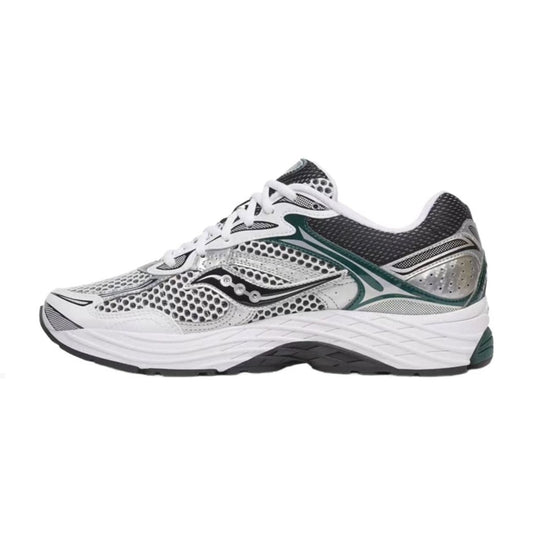
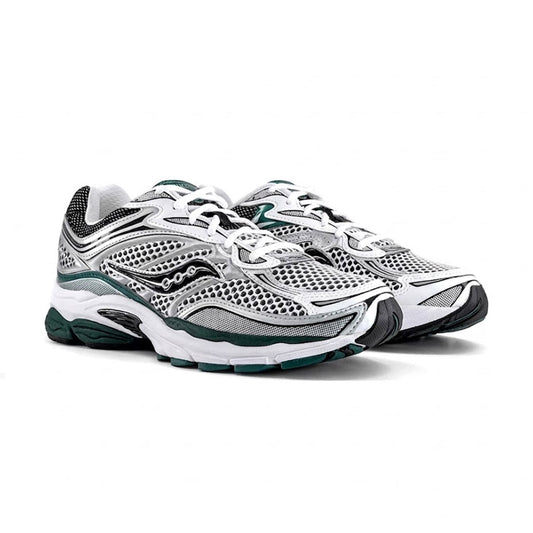
Saucony Trainers for Gym and Everyday Training: Which Ones Work Best?
Choosing Saucony trainers for the gym starts with understanding something that may seem obvious but makes all the difference: training is not the same as running. When you run, your trainers are primarily helping you move forwards. In the gym, you often need the opposite: to feel grounded, push against the floor, slow down, maintain your balance or change direction without your trainers becoming an unstable base. For beginners, the first question should not be which model offers the most cushioning, but what you need to feel underfoot during your workout.
What Should a Gym Trainer Feel Like?
If your training revolves around squats, deadlifts, lunges and strength exercises, a relatively low-to-the-ground feel can be more useful than a tall, soft platform. A lower drop, around 0–4 mm, can help create that sense of contact and control. This does not mean gym trainers have to be completely flat, but the more important stability and strength training become, the more sense it makes to avoid a platform that leaves you feeling too far removed from the floor.
Lateral stability also becomes more important. During a conventional run, movement is mainly forwards. In the gym, you might move sideways, land after a jump, turn, perform a functional exercise or change direction quickly. A good trainer for this environment needs to keep your foot secure and provide a platform that feels dependable. A slightly firmer, more controlled trainer can be more useful than an exceptionally soft one when your goal is to lift, stabilise and move with precision.
Why Stability Matters More Than Maximum Cushioning
The midsole also deserves a different perspective. Very soft foam can feel fantastic when walking or running, but during a strength session, it may leave you feeling as though your feet are sinking into your trainers. For gym training, the key is finding a balance: enough cushioning to keep your workout comfortable, but enough firmness to maintain a stable base as the load increases. The outsole completes that experience, as grip determines how confidently you can rely on your feet staying connected to the floor when pushing, braking or changing position.
This matters for beginners because stability does not come from a single feature. It depends on how platform height, midsole firmness, base width, outsole grip and the way the upper holds your foot work together. Your trainers should stop being something you have to think about during an exercise, allowing you to focus on your movement rather than how your footwear behaves underfoot.
Saucony Kinvara: For a Lighter, More Natural Feel
Within Saucony's range, the Kinvara is easy to understand from this perspective. It is lightweight, flexible and features a 4 mm drop, making it an interesting option for anyone looking for a relatively low-to-the-ground feel without the bulk of a more substantial trainer. It makes particular sense when your workout combines lighter weights, functional exercises, jumps, classes or some cardio. It does not try to be an extremely structured trainer; its appeal lies in allowing you to move naturally.
For someone who does not want a trainer dedicated exclusively to lifting weights, this distinction can be important. The Kinvara may feel more straightforward when your session involves constantly switching exercises and you need to move, squat, jump or transition quickly from one activity to another. Its value lies less in providing a heavy structure and more in staying out of the way of your movement.
Saucony Guide: When You Want More Structure
The Saucony Guide meets a different need. Rather than focusing primarily on lightness and freedom of movement, it offers a more structured, stability-oriented feel through its CenterPath design. It may appeal more to people who do general strength training, combine weights with cardio machines and prefer a greater sense of control around the foot.
It should not be confused with a specialist weightlifting trainer. Its role is closer to that of a stable, versatile option for someone who wants to combine different activities. For this type of user, the question is not whether they need the flattest or most minimalist trainer possible, but whether they feel more comfortable training when their footwear offers additional structure and guidance.
Endorphin Azura: When Your Workout Keeps Moving
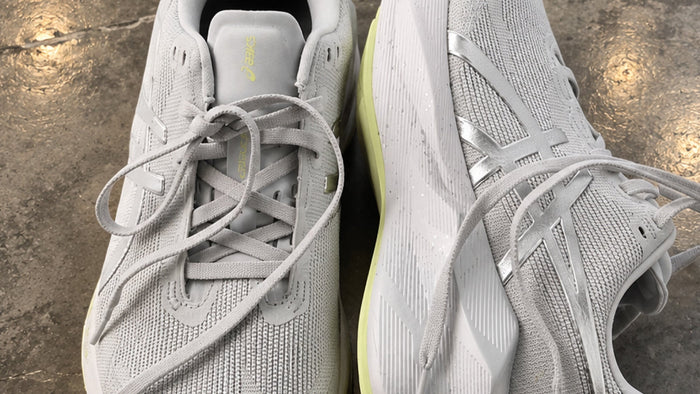
The Endorphin Azura introduces another consideration, as it becomes particularly interesting when your workout involves constant movement. Its lightweight, responsive construction may be better suited to HIIT sessions, agility work, circuits, step workouts and exercises in which your body changes position quickly.
Here, the question is no longer simply how much weight you plan to lift, but how dynamic your training actually is. For someone alternating strength work with quick movements and conditioning exercises, that lightweight feel may be more valuable than a heavier structure. The aim is not to find a trainer that is perfect for just one part of your session, but one that can keep up with changes in pace and direction without feeling excessive.
Why a Great Running Shoe Is Not Always a Great Gym Shoe
This also explains why an excellent running shoe is not automatically an excellent gym trainer. Models such as the Triumph and running-focused options from the Endorphin range can deliver outstanding performance when running is the priority, but a taller platform, more pronounced cushioning or specific propulsion features are designed to address different needs.
More technology does not necessarily mean more stability when lifting weights. A trainer can be exceptional at absorbing impact during a run while failing to provide the firm, grounded feel someone wants during a squat or strength exercise. For beginners, this is probably one of the most important distinctions to understand before buying.
What If You Want One Pair for the Gym and Everyday Use?
Things change when gym really means gym + everyday training. If you follow your weight session with 15 or 20 minutes on the treadmill, bike or elliptical, and also wear your trainers for walking, getting around or spending the rest of the day on your feet, you probably do not need an extremely specialised shoe.
In that case, versatility starts to matter as much as stability. The best choice may be a trainer that is not perfect for one specific activity but works well throughout your entire routine. A trainer that is stable enough for your workout and comfortable enough to keep wearing afterwards may make more sense than one designed to handle a single exercise.
Don't Forget How the Shoe Fits
Fit should not be overlooked either. During strength exercises, your feet need enough room to sit naturally inside your trainers. Your toes should not be squeezed together or forced into a cramped position, but there should not be so much space that your feet slide around inside the shoe.
The goal is to feel in control without feeling restricted. Size and width are therefore part of stability: a trainer with impressive specifications on paper will not perform well if your foot is not properly secured. For someone buying Saucony for the first time, this is particularly important, as you should not simply choose the same size you wear in another brand.
Which Saucony Makes Sense for Your Training?
There is no single best Saucony for the gym. There is a Saucony that makes sense for the way you train. If you want lightness, flexibility and a more natural, low-to-the-ground feel, the Kinvara offers a clear direction. If you value structure and stability more, the Guide provides a different experience. And if your workouts are fast-paced, dynamic and full of changes in position, the Endorphin Azura addresses a different set of needs.
For anyone buying Saucony for the first time, this is the simplest way to make a decision: start with your routine, not the technology. How much weight do you lift? How much do you move around? Do you do jumps or functional exercises? How much cardio do you do afterwards? Do you want trainers mainly for the gym, or a pair you can also wear throughout the day?
Once you have answered those questions, the differences between models stop looking like a list of specifications and start making much more sense. It all comes down to something far easier to understand: what you want your trainers to do while you train.