How to Sell Trainers in the UK: How Much Are They Worth and Where Can You Sell Them?
The value of a pair of trainers in the UK depends on more than its original retail price. The model, size, condition, availability, demand and current resale prices all influence what a buyer is realistically willing to pay. To sell well, it helps to compare like-for-like pairs, check current market prices where available, account for selling costs and choose a selling channel that matches the trainer and its audience.
In simple terms, the price you list is not necessarily what your trainers are worth, and the price they sell for is not necessarily the amount you keep.
How Do You Sell Trainers in the UK?
To sell trainers in the UK, first identify the exact model, colourway and size, then assess the condition and compare equivalent pairs currently on the market. Check both asking prices and recent selling prices where available. Set a realistic price after accounting for marketplace fees, shipping and other selling costs. Finally, choose a selling channel that matches the trainer, from a general marketplace to a specialist sneaker platform or direct sale.
The same applies whether you are selling one pair from your collection or starting to explore the UK sneaker resale market more seriously. The useful question is not simply, “How much can I list these trainers for?” It is, “What is the market willing to pay, how quickly could they sell, where should I sell them, and what will I actually receive after the costs of the transaction?”
How Much Are Your Trainers Worth in the UK?
Your trainers are worth what comparable buyers are currently willing to pay for the same model, size and condition—not necessarily what you originally paid or what another seller is asking.
Retail price is useful as a reference, but current market value is determined by what comparable pairs can realistically achieve in the market today.
What Affects the Value of Your Trainers?
The value of a pair of trainers is not necessarily the same as the price printed on the original retail ticket, the highest listing you can find online or the amount someone paid for a similar pair several months ago.
Market value is therefore a current measure, rather than a fixed number attached to the trainer itself.
A trainer has a market value that changes according to its particular circumstances. The model is important, but so are the size, condition, availability and current level of demand. A popular colourway in a difficult-to-find size may attract a different price from the same model in a more widely available size. A new pair with its original box and accessories can also compete in a different part of the market from a pair that has been worn.
Collaborations and limited releases can add another layer. Some trainers maintain a premium because buyers recognise the collaboration, rarity or cultural relevance behind them. These factors can support resale value when they translate into sustained buyer demand rather than simply higher asking prices.
Others may be popular when released but become easier to find later, changing the balance between supply and demand.
A more useful approach is to establish the trainer's current market value by comparing it with genuinely comparable pairs.
Compare Like-for-Like Before You Price Your Trainers
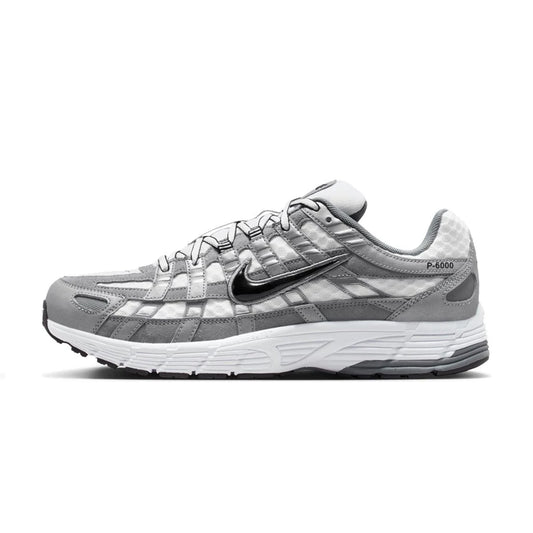
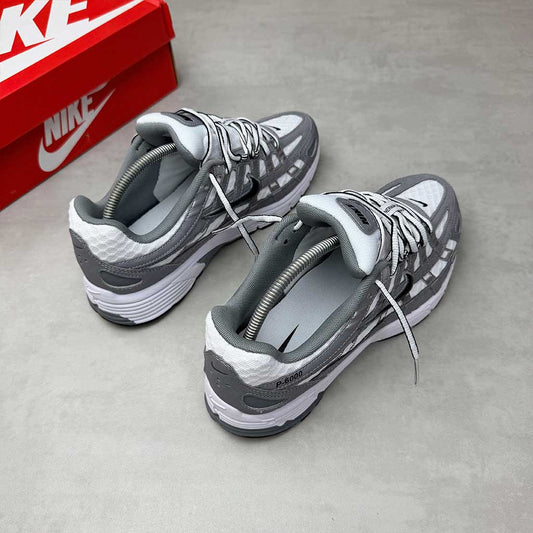
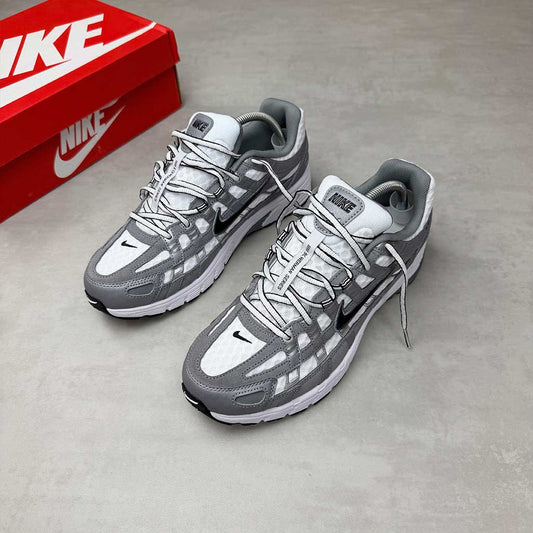
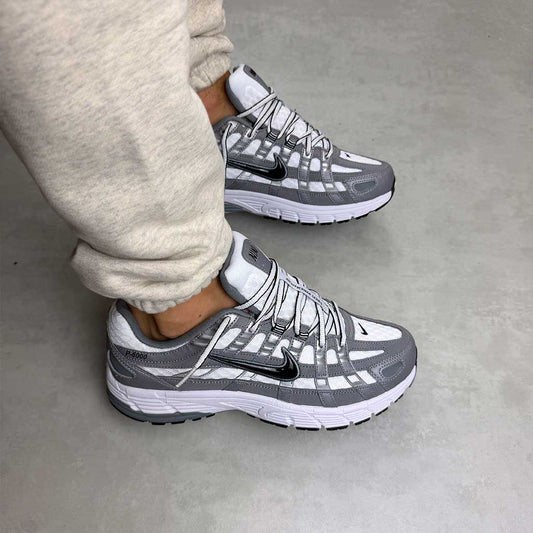
When checking the market, compare the same model and colourway first. For example, if you are valuing a Nike P-6000, an ASICS GEL-1130 or a New Balance 2002R, compare it with the same model and colourway rather than simply looking at other popular trainers from the same brand. Then narrow the comparison by UK size and condition. A new pair in its original box should not be benchmarked against a worn pair, while a rare size may behave differently from a commonly available one.
The closer the comparison, the more useful the price reference.
What Determines a Trainer's Resale Value?
Several factors tend to influence how much buyers are prepared to pay.
Model and colourway are the starting point. Some silhouettes have broad, established demand, while others appeal to a much narrower audience. A recognisable model can also be easier to sell because buyers already understand what it is and why they might want it.
Size can make a meaningful difference. Demand is not distributed equally across every size, so two otherwise identical pairs may attract different levels of interest depending on the size available.
Condition is equally important. Deadstock or unworn trainers can command a different price from a pair that has been worn. With used trainers, the condition of the upper, sole, insoles and overall presentation becomes part of the buyer's assessment.
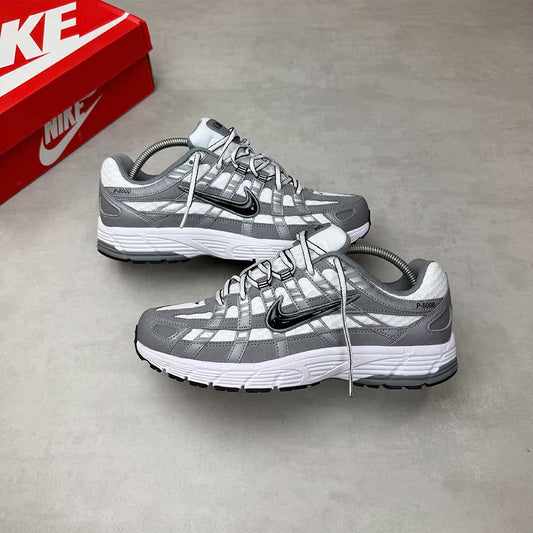
Original packaging and accessories can also contribute to the perceived value, particularly with collectible or premium pairs. A complete pair can be more attractive to buyers who care about provenance and presentation.
Availability and the level of supply affect the balance between supply and demand. A trainer that is difficult to find may retain stronger resale interest, while a pair that is widely available can face more price competition.
In practical terms, limited availability only creates value when there is enough demand for buyers to compete for the available pairs.
Finally, timing matters. Demand can change with releases, trends, seasons, collaborations and wider sneaker culture. A pair that attracted attention when it launched may behave differently in the market later.
The important point is that resale value is not determined by one characteristic. It comes from the relationship between the product and the market at a particular moment.
Check the Market Before Setting Your Price
One of the easiest mistakes when selling trainers is to choose a price based on the highest listing you can find.
A listing tells you what another seller wants. It does not necessarily tell you what buyers are actually prepared to pay.
Before setting your own price, compare equivalent pairs across relevant marketplaces and selling channels. Look for the same model, colourway and size, and make sure the condition is comparable. If the pair is used, comparing it with an unworn example can give a misleading impression of its value.
It is also useful to distinguish between an asking price and a selling price. The asking price reflects the seller's expectation; the selling price provides stronger evidence of what the market has actually accepted.
A trainer listed at £250 is not necessarily a £250 trainer if similar pairs remain unsold at that level. The stronger signal is what comparable pairs are actually achieving in transactions, where that information is available.
This is particularly important when deciding whether a pair is worth holding, reducing the price on or selling quickly. The market can give you a much more realistic reference point than your original purchase price.
Where Can You Sell Trainers in the UK?
Once you have a realistic idea of the market value, the next question is where to sell.
There is no single best selling channel for every trainer. The right choice depends on the type of pair, the audience it attracts, the level of trust required and the costs involved.
General marketplaces can provide access to a large pool of buyers and can work well for trainers with broad demand. They may also give sellers flexibility over pricing and presentation, although competition can be significant.
Specialist sneaker marketplaces can be particularly relevant for sought-after or collectible pairs because their audiences already understand sneaker models, releases and resale values. For certain products, being in front of an informed audience can make the selling process more efficient.
Direct selling gives the seller greater control over presentation, communication and the customer relationship. This can be useful when building a longer-term resale business rather than simply moving an individual pair.
Specialist resellers and stores offer another route, particularly for sellers who value convenience or want to avoid managing every part of the transaction themselves. The trade-off is that the price received may reflect the service and margin required by the business buying or facilitating the sale.
The best channel is therefore not necessarily the one with the largest audience. It is the one that creates a sensible balance between buyer demand, trust, selling costs, control and the amount of time required to complete the sale.
Selling Price Is Not the Same as What You Make
A trainer selling for £200 does not necessarily put £200 in the seller's pocket.
Depending on the route used, there may be marketplace fees, payment costs, shipping, authentication charges or other expenses. Returns or other transaction-related costs can also affect the final result.
That makes it useful to think about the net amount received, rather than focusing only on the headline selling price. For anyone reselling trainers, the difference between a strong selling price and a strong net return can be significant.
For example, a pair that sells for a higher price but carries substantial costs may produce a similar or even worse result than a pair sold more quickly through a lower-cost route.
There is another factor that is easy to overlook: time.
If a pair takes months to sell while another trainer moves within days, the higher eventual selling price does not automatically make the first option commercially better. For anyone holding multiple pairs, capital tied up in slow-moving inventory can become increasingly important.
The practical question is:
How much value can I realise from this pair, after costs and within a reasonable selling period?
That is a much stronger way to think about resale than simply chasing the highest possible listing price.
Trust Can Change the Outcome of a Sale
In sneaker resale, the buyer is not only evaluating the trainer. They are also evaluating the seller.
Authenticity is one of the most important parts of that equation. Buyers want confidence that the pair is genuine, correctly described and consistent with the condition shown in the listing.
Clear photographs, accurate descriptions and transparent information about condition can reduce uncertainty. If a pair has visible wear, the seller is generally better served by showing it clearly than by presenting an unrealistically perfect description.
The same principle applies to sizing, packaging, accessories and any other details that could affect the buyer's decision.
This becomes even more important with higher-value, limited or difficult-to-find trainers. The more money a buyer is committing, the more important it becomes to know who they are buying from and what protection exists if something is not as expected.
For that reason, trust is part of the product experience. A competitive price may attract attention, but confidence can be what turns that attention into a transaction.
If You Want to Resell Trainers, Think Beyond Individual Pairs
Selling one unwanted pair and building a resale business are two different activities, but they share the same basic principle: understand the market before committing to a price.
For someone looking to participate more seriously in the UK resale market, the question eventually changes.
Instead of asking:
“How much can I sell this trainer for?”
the more useful question becomes:
“Which trainers have enough demand, recognition and potential margin to make selling them worthwhile?”
That requires looking at models, sizes, release patterns, availability, buyer interest and price behaviour over time.
It also means accepting that not every popular trainer is necessarily a good resale opportunity. A product can have strong recognition but intense competition, limited margin or slow turnover. Another pair may have a lower headline price but a broader audience and a much faster route to a sale.
This is where resale starts to become a market-selection exercise rather than simply a product-listing exercise.
What Makes a Trainer Worth Selling?
There is no universal formula for deciding whether a trainer is commercially attractive, but several questions can help.
Does the model have recognisable demand?
Is the available size one buyers actively look for?
Is the pair difficult to find elsewhere?
Is there enough difference between the acquisition cost and realistic selling price to cover transaction costs?
How quickly are comparable pairs moving?
And can the seller provide enough information and confidence for a buyer to choose that particular listing?
The strongest products are not necessarily the most expensive ones. They are often the ones where demand, achievable pricing, manageable costs and buyer confidence come together.
That is particularly important in a market where buyers can compare multiple sellers within minutes.
Selling Trainers in the UK Means Understanding the Buyer
The UK sneaker market is not simply a collection of products waiting to be listed. It is a market shaped by what people want, what they can find, what they are willing to pay and how much confidence they have in the seller.
For someone selling a single pair, understanding this can help turn an unwanted trainer into a more realistic return. For someone considering resale more seriously, the same knowledge can influence which products they buy, which sizes they target and where they choose to sell them.
It also explains why successful sneaker selling is rarely just about having the right pair.
The seller needs to understand the product, the market and the buyer at the same time.
What Matters Most When Selling Trainers
Whether you are selling one pair from your collection or considering entering the UK trainer resale market, the principle is the same: know the product before you price it, assess the market before choosing where to sell it, and consider the buyer before assuming that the highest asking price is the best outcome.
A trainer's value is shaped by demand, condition, availability, size and timing, but the final result also depends on fees, selling speed and trust. Once those factors are considered together, selling trainers becomes less about simply putting a price on a pair and more about understanding where that pair sits within the market.
That is ultimately what makes resale sustainable: not simply finding trainers that people want, but understanding why they want them, what they are willing to pay and how to give them enough confidence to complete the purchase.