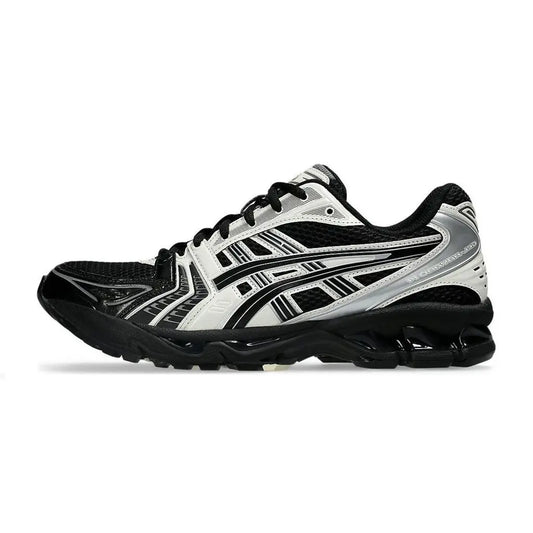
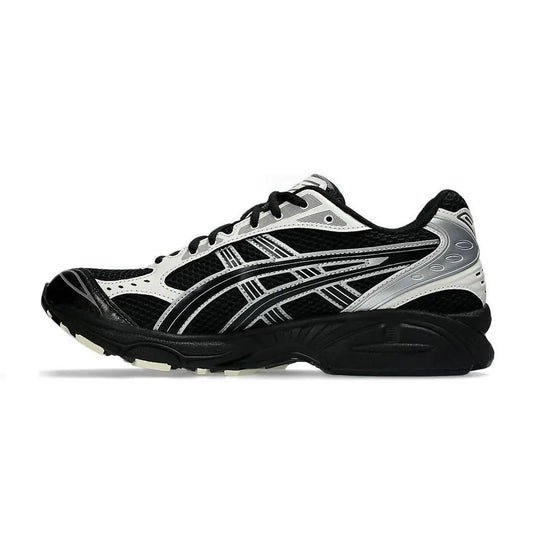
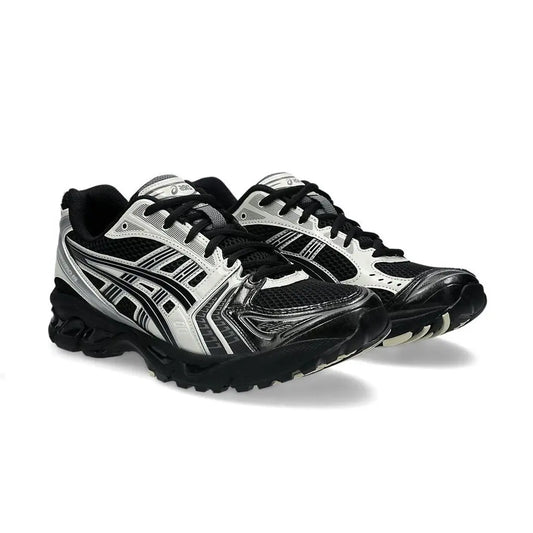
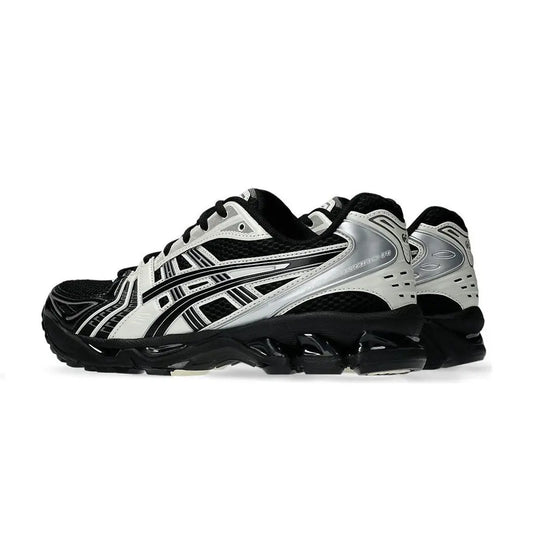
Best Trainers for the Gym: What to Look For
If you're planning to start the gym in January, you don't need to wait until January to think about your trainers. The new-year rush is often when people finally turn an intention into a routine: joining a gym, training more regularly, getting fitter or simply making more time for themselves. And while it is easy to start looking at brands and models straight away, there is a more useful question to answer first: what will you actually need your trainers to do once you get there?
Someone preparing for their first weeks of training may not know whether they will spend most of their time lifting weights, running on the treadmill, using the cross-trainer, joining classes, doing HIIT or combining several of these activities. They may simply know that they want to start moving more. That uncertainty matters because there is no single trainer that is automatically the best for every type of gym session. The right choice depends on the routine you are planning to build.
Starting the Gym in January? Think About the Whole Session
A gym workout is rarely just one activity. You might walk into the gym, warm up for a few minutes, spend time on a treadmill or cross-trainer, move to strength machines, pick up some dumbbells, complete a few functional exercises and finish with another period of cardio. Your trainers have to work through all of those moments.
That makes versatility particularly valuable when you are starting a new routine. You may have an idea of what you want to do in January, but your actual training habits can change once you discover what you enjoy. Perhaps you planned to run but end up preferring strength training. Perhaps you start with machines and gradually introduce free weights, classes or short HIIT sessions. Your first pair of gym trainers should give you room to discover that routine rather than forcing you into one type of training from the beginning.
This is why looking for “the best gym trainer” in isolation can be misleading. A trainer that is excellent for one specific discipline may not be the most practical choice for someone whose January sessions are going to involve a little bit of everything.
What Does a Good Gym Trainer Actually Need to Do?
The easiest way to understand gym footwear is to think about what happens underneath your feet. Unlike a straightforward run, a gym session can involve walking, repeated impacts, pushing against the floor, stopping, landing, turning and moving sideways.
That means several characteristics can become important at the same time. You want enough cushioning for comfort, enough firmness for control, sufficient grip to keep your feet connected to the floor and enough support to prevent the shoe from becoming distracting when you move. The goal is not to maximise one of these characteristics, but to find the right balance for your training.
This is particularly useful for a beginner because the most advanced-looking trainer is not necessarily the most suitable. A shoe can have sophisticated cushioning or running technology and still feel less appropriate when your workout changes from running to squats or lateral movements. The question is always what that technology is helping you do.
The Gym Floor Matters More Than You Might Think
The surface underneath you is another part of the equation that is easy to overlook. A gym can contain rubber flooring, wooden platforms, smoother areas around machines and different training surfaces, and you can move between them repeatedly during the same session.
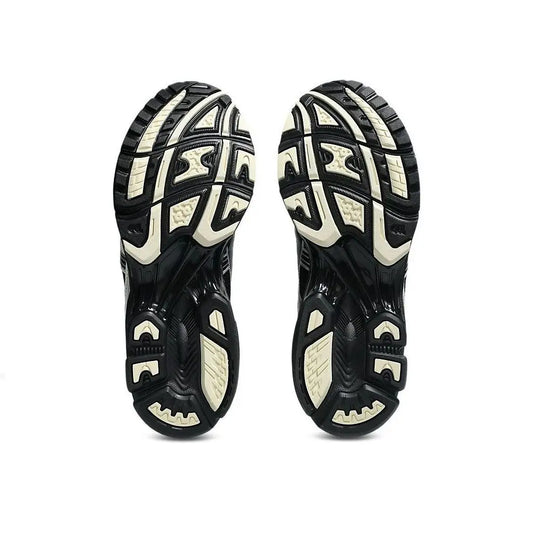
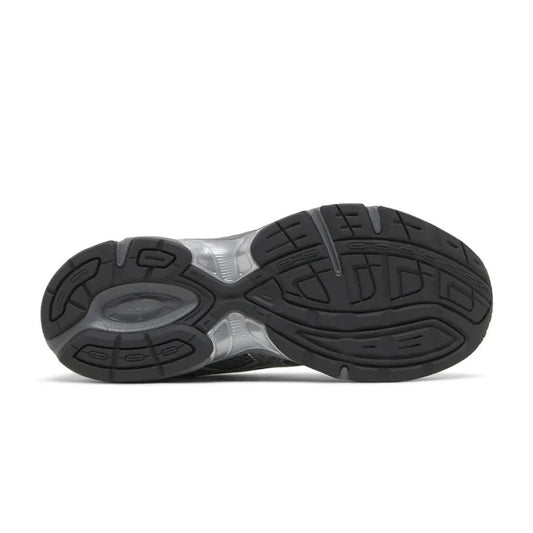
That makes the outsole more important than it might initially appear. It is the part of the trainer that connects your body with the floor, so grip can influence how confident you feel when walking between stations, changing direction, landing or pushing through an exercise.
A trainer does not necessarily need an aggressive outsole simply because it is designed for the gym. What matters is having reliable contact with the surfaces you are likely to encounter. If your training includes plenty of movement, jumps or functional exercises, this becomes particularly noticeable. You want to be thinking about the exercise rather than wondering whether your feet are going to slide.
If You Plan to Do Cardio, Cushioning Becomes More Important
Cardio changes the requirements again. If your January routine includes the treadmill, cross-trainer, stair machine or another activity involving repeated steps, your trainers will absorb a large amount of repetitive movement.
A completely rigid trainer can feel unnecessarily demanding during this part of the workout, while a balanced level of cushioning can make longer sessions more comfortable. But there is an important distinction between comfortable cushioning and maximum softness.
The softest trainer is not automatically the best gym trainer. If you leave the treadmill and immediately start doing squats, lunges or functional movements, you still need enough control underneath your feet. For someone combining cardio with other activities, the most useful trainer is often the one that provides cushioning without losing its sense of stability.
This is one reason versatile trainers can make so much sense for people starting a new routine. You do not necessarily need one shoe for cardio and another for everything else if your training is relatively general. You need a trainer that can transition comfortably between the different parts of your session.
What Changes When You Start Lifting Weights?
The weights area is where the role of your trainers can change most noticeably. When you are performing squats, deadlifts, lunges or exercises with dumbbells, you are no longer simply moving forward. You are actively pushing against the floor and asking your feet to provide a stable foundation.
This is where an extremely soft trainer may feel different from what you expected. It can be comfortable while walking or running, but under load you may prefer a platform with more firmness and control. When strength becomes a significant part of your routine, stability starts to matter as much as cushioning.
You do not necessarily need a highly specialised lifting shoe. For general gym training, the more useful question is whether your trainer allows you to maintain a confident position while applying force. A stable base can make the transition between exercises feel more natural, particularly when your session combines weights with cardio and functional movements.
What If Your Training Includes HIIT, Jumps or Lateral Movements?
Not every gym session stays in one place. HIIT, circuit training, classes and functional workouts can involve jumps, quick stops, lateral movements and changes of direction. In those situations, your trainers need to do more than absorb impact from underneath.
The foot needs to remain sufficiently secure inside the shoe, while the outsole needs to maintain contact with the floor. A narrow or unstable platform can become more noticeable when you move sideways than when you simply walk or run forwards.
For this type of training, lateral support, grip and a secure fit become particularly important. A lightweight trainer can also be useful because it does not add unnecessary bulk when the workout becomes faster and more dynamic. Again, this does not mean that the lightest shoe is always the best one. It means that the characteristics of the trainer should make sense for the movements you are asking it to perform.
Stability Does Not Mean You Need a Specialist Shoe
The word “stability” can sometimes make gym footwear sound more complicated than it really is. For most people beginning a general training routine, it simply means feeling that the trainer gives you a reliable platform underneath your foot.
You may not yet know whether you will eventually prefer machines, free weights, classes or functional training. You do not need to predict your entire fitness journey. You simply need to avoid choosing a trainer that becomes uncomfortable or unstable as soon as your workout changes.
A sufficiently stable base can help you transition from cardio to strength work, from standing exercises to movement-based exercises and from one station to another without constantly noticing the footwear. Good gym trainers should support the variety of your workout without becoming the focus of it.
How Should Gym Trainers Fit?
Fit is just as important as the characteristics written on the product page. Your heel and midfoot should feel secure enough that the foot does not move excessively inside the trainer, particularly during lateral movements and changes of direction. At the same time, the toes need reasonable freedom rather than being compressed against the front of the shoe.
That balance matters because your feet are doing different things throughout a session. They need security when you move quickly, but they also need enough room to settle naturally when you are standing, walking or applying force.
A trainer that is too loose can reduce your sense of control. One that is too narrow can become increasingly uncomfortable as the session gets longer. The right fit should feel secure without feeling restrictive. This is especially important when buying online, where choosing a model is only half of the decision; finding the appropriate size and shape for your foot is equally important.
Should You Buy a Running Trainer for the Gym?
Sometimes, but not automatically.
If a large part of your workout consists of treadmill running or other cardio, a running-oriented trainer can make sense. But if your session involves significant strength work, lateral movement or functional exercises, the priorities can be different.
This is why choosing a trainer simply because it is highly cushioned or technologically advanced can be misleading. Running shoes are designed around the demands of running, while gym training can ask for a wider combination of stability, grip, flexibility and control.
More technology does not automatically mean a better gym trainer. The useful technology is the technology that solves a problem you actually have during your workout.
What If You Want One Pair for the Gym and Everyday Life?
For many people starting the gym in January, this is actually the most realistic scenario. They do not want to buy a pair of trainers that lives exclusively in a gym bag. They want something they can wear to the gym, use for walking, wear while running errands and continue using during the rest of the day.
That changes the decision again.
A highly specialised trainer may perform exceptionally well in one particular environment, but a versatile model can make more sense if your life around the workout matters too. Gym plus everyday use is not a compromise if the trainer is chosen around that reality from the beginning.
This is also where style can naturally become part of the decision. A trainer that works with your everyday wardrobe is more likely to become part of your regular rotation, rather than something you only remember when you are heading to the gym.
So, What Are the Best Trainers for the Gym?
There is no single answer, because the best trainer depends on the training you expect to do. If your routine is dominated by cardio, cushioning and comfort may deserve more attention. If you expect to spend more time lifting weights, firmness and stability become increasingly important. If you are planning HIIT, classes or functional training, grip, lateral support and flexibility become more relevant.
And if you are still not sure what your training will look like, versatility is probably one of the most valuable qualities you can choose.
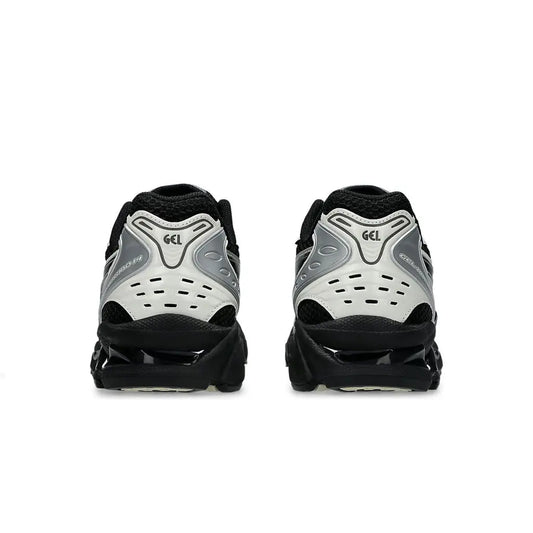
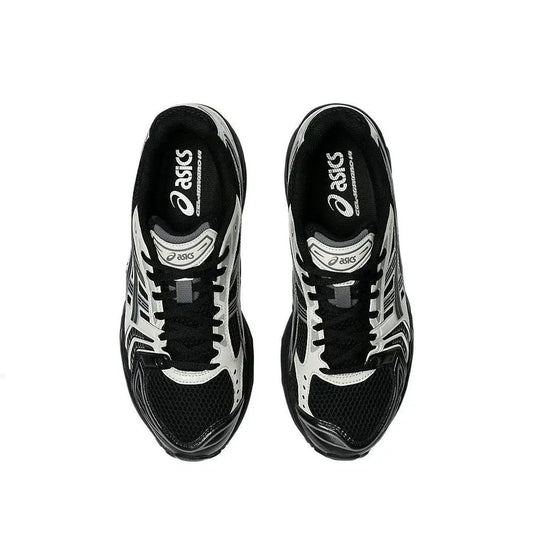
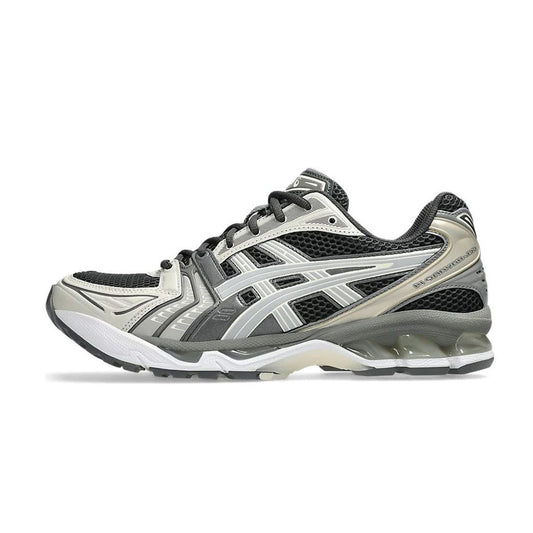
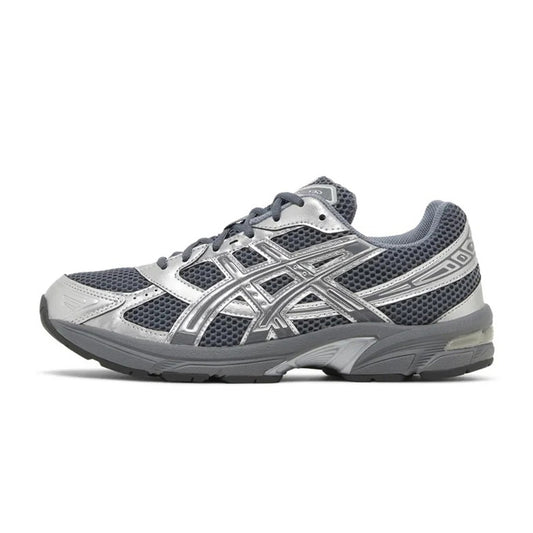
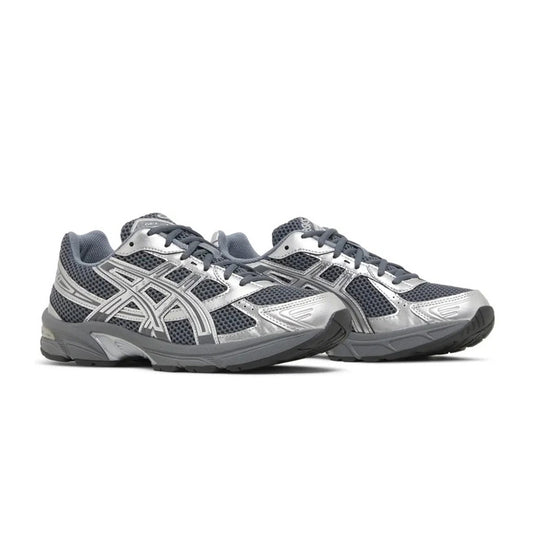
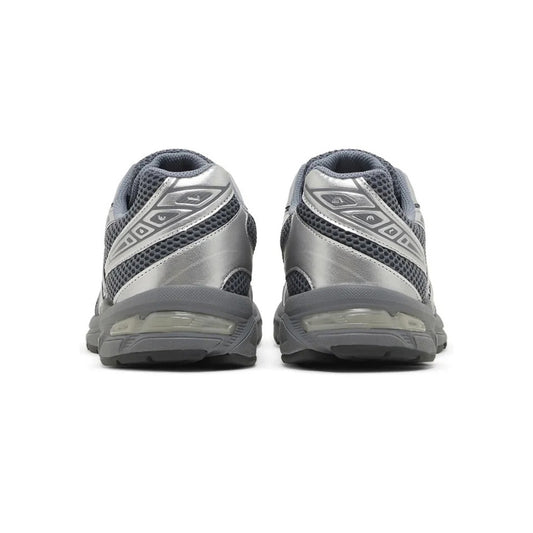
This is where it makes sense to look across different brands and trainer styles rather than deciding on a single model before understanding your routine. At OG Kicks, the most useful way to approach that selection is not simply to present a collection of popular sneakers, but to identify the trainers that make sense for different types of gym users: those prioritising everyday versatility, those combining gym and cardio, those who want a more dynamic trainer for functional work and those who want something that can move naturally between training and everyday wear.
The important thing is that the product comes after the need. Once you know what you want your trainers to do, the brands and models become much easier to compare.
Choosing Your Trainers Before January
If you are planning to start or restart the gym in January 2027, there is a good reason to think about your trainers before the new year arrives. You do not need to know exactly how your entire fitness routine will develop. You simply need to have a realistic idea of how you expect to spend your sessions.
Will you walk or run regularly? Will you lift weights? Are classes or HIIT likely to become part of your routine? Will you combine cardio with strength training? Do you want one pair that can also become part of your everyday wardrobe?
Those questions are more useful than simply asking which trainer is currently the most popular.
Your January training routine may change once you start, and that is exactly why your first pair of trainers should give you some flexibility. The right pair should allow you to walk between machines comfortably, handle cardio, provide enough cushioning for repeated movement, maintain grip on the gym floor, remain stable during strength exercises and stay comfortable as the session develops.
You may not know exactly what your training will look like on January 1. You do not have to. The point is to choose trainers that can support the routine you are planning to build, rather than buying a shoe for a workout you may never actually do.
If January is when you plan to make the gym part of your routine, November and December are the time to start thinking about what will make that routine easier to maintain. Your trainers are not the entire plan, but they are part of the setup. And when you choose them by starting with the way you intend to train — rather than with a brand, a trend or a technology — finding the right pair becomes a much simpler decision.